
Top-rated asphalt driveway pros.

Get matched with top asphalt driveway pros in Culbertson, NE

Enter your zip and get matched with up to 5 pros

Need a pro for your asphalt driveway service project in Culbertson, NE?

Select your specific project to find the pro for you.

Find Asphalt driveway pros in Culbertson

Meadows Masonry, LLC
New to Angi
Brick and Stone Driveways & Floors - Install

Serving Culbertson, NE and surrounding areas

In business since 2021

Credit card accepted

MEADOWS MASONRY, LLC is committed to excellence in every aspect of our business. We uphold a standard of integrity bound by fairness, honesty, and personal responsibility. Our distinction is the quality of service we bring to our customers. Accurate knowledge of our trade combined with ability is what makes us true professionals. Above all, we are watchful of our customers' interests, and make their concerns the basis of our business.

Asphalt Driveways questions, answered by experts

Yes, using recycled asphalt millings is an eco-friendly alternative compared to concrete. Millings are reclaimed pieces of gravel that are recycled into aggregate that can be used on driveways, patios, walkways, basketball courts, tennis courts, and more.

Sealing coat asphalt after 6-12 months and then every 2-3 years is recommended.

The cost to replace a driveway ranges from $8 to $15 per square foot, depending on factors that include material, size, and labor. If your driveway has deep cracks, potholes, or drainage issues (or if it’s simply past its prime), replacement might be the smarter investment over constant repairs. Resurfacing can be a cheaper alternative at $3 to $20 per square foot, but it won’t fix your driveway’s underlying problems.

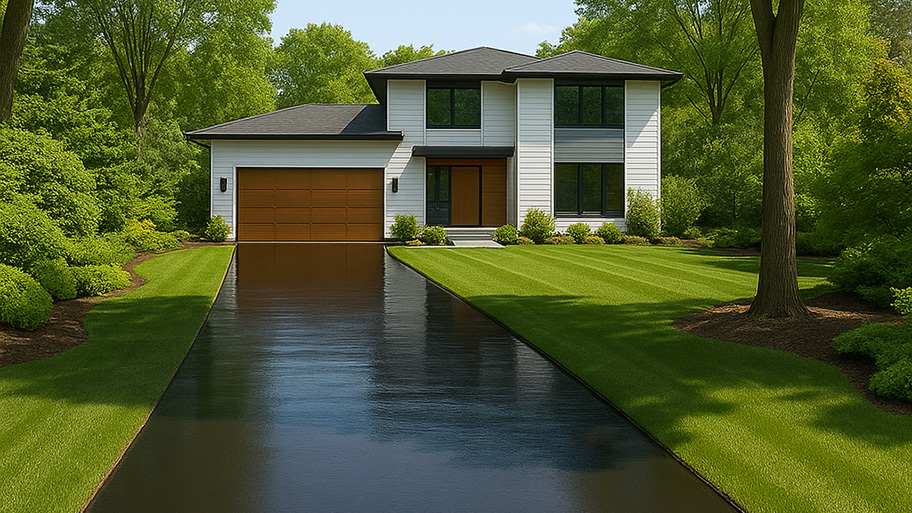
When asphalt cures, it typically changes from a very dark black hue to a lighter, more matte gray color. Cured asphalt also won’t be tacky or sticky to the touch or emit any odors from the asphalt mix. Additionally, the surface of fully cured asphalt won’t deform under any pressure.

Asphalt and tarmac are not the same thing. Traditional tarmac, short for tarmacadam, uses tar as a binder to hold crushed stone together. Asphalt uses bitumen—a byproduct of crude oil—to bind aggregate. Though tarmac was once a go-to for roads, asphalt has become the modern standard. And these days, most surfaces referred to as “tarmac” are actually asphalt. So, while the names may overlap, the key distinction lies in the binder—tar for tarmac and bitumen for asphalt.

The Culbertson, NE homeowners’ guide to asphalt driveway services

From average costs to expert advice, get all the answers you need to get your job done.