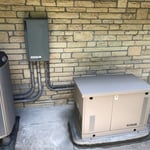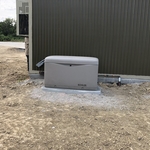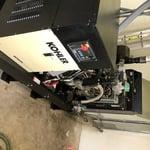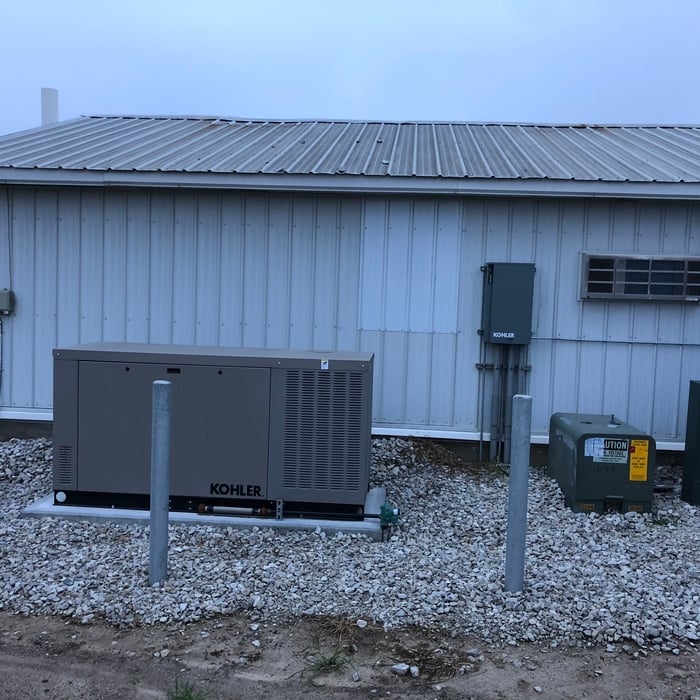

Top-rated generator install pros.

Best generator install pros near Coleridge, NE

Enter your zip and get matched with up to 5 pros

Need a pro for your generator install project in Coleridge, NE?

Select your specific project to find the pro for you.

Top-Rated Generator install pros in Coleridge - Updated Nov 2026

Avatar for JP Electric, Inc.
JP Electric, Inc.
5.0(
21
)
Fixed Generator - InstallGenerator - Install - For Business

Serving Coleridge, NE and surrounding areas

In business since 2004

Free estimates

Emergency services offered

"Great Install of the generator. Finished the job in less than one day and my power was only off for 2 hours. Generator is working fine. Also did a thorough clean-up after installing. All questions about operation were answered in detail."
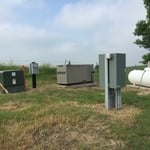
Kohler 48RCL
KOHLER 20RESD
KOHLER 20RESC
KOHLER 60KW industrial
Kohler 48RCL

+22

Response time1 day
Response rate89%
Recommended by95%of homeowners

Echo Group
New to Angi
Fixed Generator - RepairGenerator - Repair - For BusinessPortable Generator - Repair

Serving Coleridge, NE and surrounding areas

In business since 2000

Free estimates

Credit card accepted

When it comes to standby generator sales and service, Echo Group Inc. has the power! With generators by Generac, Siemens, Winco, Kubota, Winpower, Tiger-power, Milbank and many others, we provide professional and affordable generator service for residential, commercial, and industrial standby, mobil, and portable units for homeowners and business owners needing the piece of mind that the convenience a generator provides. No matter what your application is, Echo Group Inc. can help. Call us today!

Generator Install FAQs, answered by experts

In most cases, there are no tax credits available for home generators. However, that’s a general statement that applies to federal tax credits, so you might have access to state or local tax incentives. You can check the Database of State Incentives for Renewables & Efficiency (DSIRE) for more information about your area. If you hire a reliable home generator installer, they should also know if there are any state or local perks you can use to reduce your installation costs, including tax breaks and rebates.

To determine the right size generator for your house, you should calculate the total wattage of the appliances and devices you want to power during an outage. List all essential items, note their start-up wattages, and add them together.

Here are some typical wattage requirements for common appliances:

  • Refrigerator: 600 watts

  • Large dehumidifier: 700 watts

  • Large window air conditioner: 1,400 watts

  • Water heater: 3,000 to 4,500 watts

  • Electric furnace: 5,000 to 25,000 watts

A 7,500-watt generator might be sufficient for essentials like a refrigerator, freezer, well pump, and lighting circuits. However, for high-demand items like a water heater or furnace, a whole-home generator is a better choice. A portable generator may be enough if you only need to power a few critical items.

While home square footage can offer a rough estimate, it is not always a reliable indicator. For reference, here are some typical generator sizes based on square footage:

  • 1,000 sq ft: 6–9 kW

  • 1,500 sq ft: 7–10 kW

  • 2,000 sq ft: 10–14 kW

  • 2,500 sq ft: 12–16 kW

  • 3,000 sq ft: 16–20 kW+

For the most accurate sizing, consult a professional who can calculate your home's peak and average power consumption and recommend the optimal generator.

As a safety measure, you should always turn off the main breaker while operating your generator’s backup breaker. In addition, you should also switch off all appliance breakers so you don't have a power surge when the main breaker turns back on. And finally, turning off the main breaker prevents back-feeding, which endangers utility workers with the risk of electrocution. Back-feeding could also destroy the electrical circuits of your neighbors if they use the same power network.

DIY is possible for basic setups. Professional installation ensures safe and proper electrical connections.

In most municipalities, you will need a permit to install a permanent home generator, including emergency backup, partial-home, and whole-home generators. A permit for a generator usually costs between $50 and $250, depending on where you live. Your electrician or certified generator installer will usually pull the permit for you—and might be required to do so by your building department—but you’ll be on the hook for the cost of the permit. You should ask your installer before agreeing to any work if they will pull the necessary permits for your project.

The Coleridge, NE homeowners’ guide to generator installs

From average costs to expert advice, get all the answers you need to get your job done.