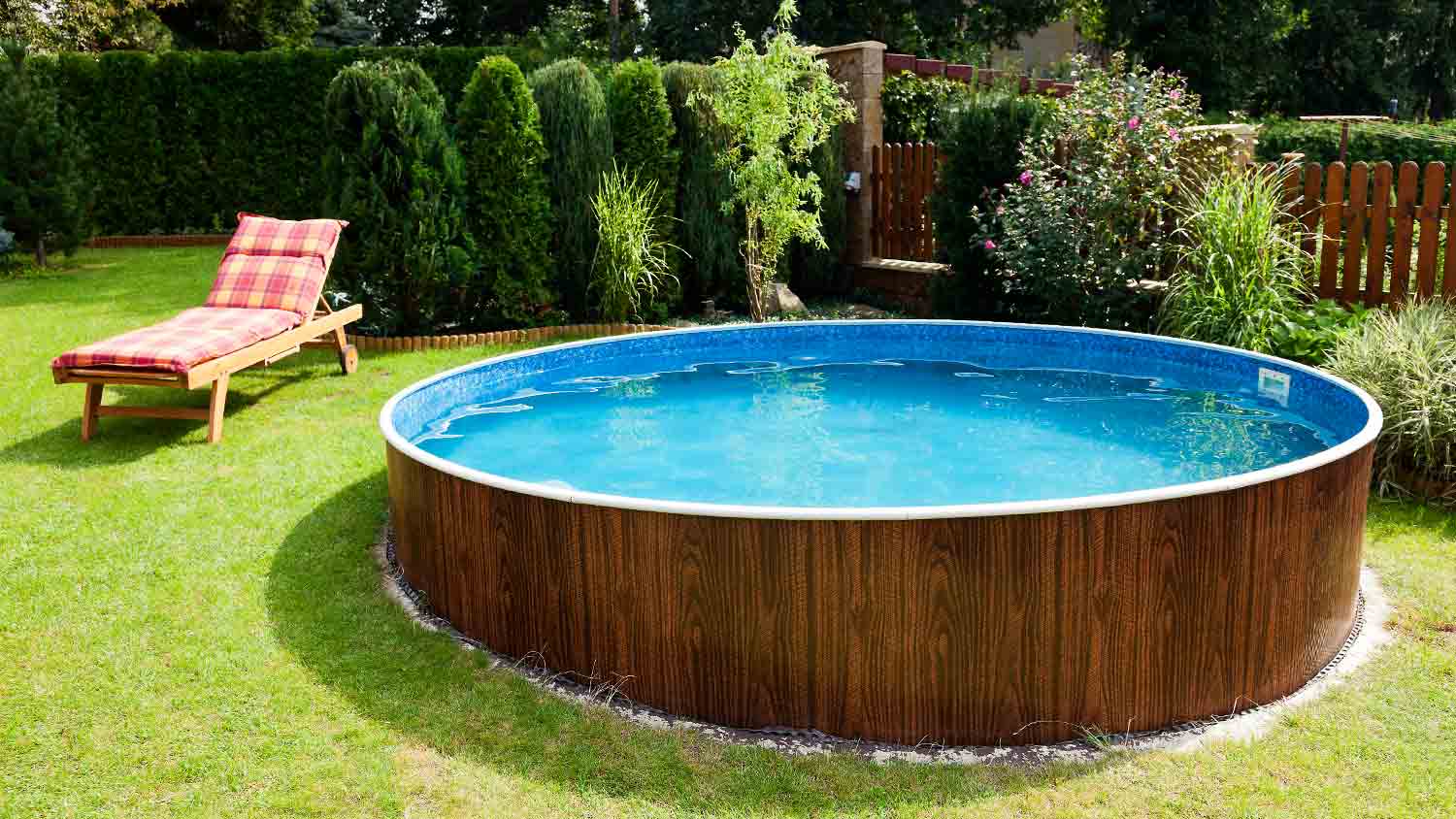







Top-rated above ground pool installation pros.

Best above ground pool installation pros near Chappell, NE

Enter your zip and get matched with up to 5 pros

Need a pro for your above ground pool installation project in Chappell, NE?

Select your specific project to find the pro for you.

Top-Rated Above ground pool installation pros in Chappell - Updated Nov 2026

Install Above Ground Pools FAQs, answered by experts

You should add chlorine within 48 hours of filling your pool with water. In just 24 hours, bacteria and algae will begin to grow and contaminate your water. After that point, you’ll need to shock the water with high levels of chlorine, and you’ll likely need to do additional vacuuming to get the pool clean. It’s important to check your chlorine levels two to three times a week and add more chlorine as needed to maintain a healthy level.

Just like a traditional in-ground pool, semi-inground pools can be between three and eight feet deep. Lap pools, for example, are often an average of 4 feet deep, while a traditional pool may have both a shallow and deep end. The depth of your semi-inground pool depends on the liner you purchase, as well as how much excavation you plan to do before the installation.

If a pool turns green after adding salt, there’s a good chance the salt is the problem. Certain brands of salt have high levels of iron that cause pool water to take on a green hue. Test your pool water to determine if this is the issue. The green color will usually filter out. Brush the sides of the pool to knock the iron off.

This is just one reason a pool can turn green that is specific to adding salt. Many other reasons a pool can turn green include algae growth, low chlorine levels, a faulty filter, etc.

It is generally not recommended to place a pool directly on grass. Doing so will kill the grass underneath, and the surrounding lawn may also be damaged by heavy foot traffic and splashes of chemically-treated water. For best results, create a clean, level surface by removing the grass and debris. You can then install a sturdier base using materials like sand, a concrete pad, or solid foam.

Generally, you should run your pool pump for eight to 12 hours a day to keep your water clean and chemical levels balanced. The ideal runtime can vary depending on your specific pump type. While running the pump as much as possible is ideal for cleanliness, it can increase electricity costs. To save money, you can run the pump strategically during non-peak hours when electricity is cheaper, which is often in the evenings or at night. The hours do not need to be consecutive.

The Chappell, NE homeowners’ guide to above ground pool installation services

From average costs to expert advice, get all the answers you need to get your job done.