





Top-rated tree service pros.

Get matched with top tree service pros in Beaver Crossing, NE

Enter your zip and get matched with up to 5 pros

Need a pro for your tree service project in Beaver Crossing, NE?

Select your specific project to find the pro for you.

TRUSTED BY BEAVER CROSSING, NE HOMEOWNERS

  • Average homeowner rating star icon4.7
    Average homeowner rating
  • Verified reviews icon12
    Verified tree services reviews

Find Tree service pros in Beaver Crossing

Avatar for M. S. Wiekhorst Arbor Company
M. S. Wiekhorst Arbor Company
5.0(
10
)
Tree RemovalTree Removal - For BusinessTree Stump - Remove+5 more

Serving Beaver Crossing, NE and surrounding areas

Free estimates

Emergency services offered

Warranties offered

"The services performed went as smooth as expected. Mike was able to trim our biggest tree and remove an entire evergreen that had been exposed to bag worms. The work was quick and efficient and I would highly recommend him to anyone. We will definitely utilize his expertise in the future."
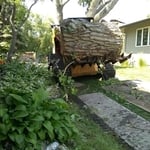
Large Cottonwood Removal

+12

Response time2 days
Recommended by100%of homeowners
Tree Service questions, answered by experts

Salt, herbicide, light deprivation, boiling water, and burning can all help dissolve a tree stump. You can also bury the tree stump in soil or mulch to help it rot naturally. Killing a tree stump prevents future regrowth, but you may also remove it by digging it out or grinding it.

Depending on the severity of the damage, a tree might continue healing for years after a split or a break. Saplings can usually bounce back in the spring in one or two seasons, but larger trees might take a few years to regain their former strength. If your tree is showing strong growth and is not dropping limbs, you can consider it healed after the first two seasons.

Most trees can be successfully transplanted while they are young, but pines, walnuts, and some oak tree varieties are more difficult to move because their root systems grow deeper than most other trees. Also, trees adapted to sandy soil with wide root systems like beeches, willows, and aspens are harder to dig out because their roots spread much farther out from the trunk. In these cases, unless the trees are very young and small, it’s a good idea to consult a tree planting professional.

There are many signs that a tree is diseased or dying, and if you suspect that’s the case, you should call an arborist immediately. You might notice rot or fungus on the trunk or that the tree is beginning to lean to one side. Brittle branches or signs of root damage are other indicators that a tree is in trouble. If the tree is dying, it might be time to cut the tree down so it doesn’t fall.

Not all leaning trees are dangerous, but they can be a hazard as gravity may eventually cause them to fall. A key factor is whether the lean is new or has been present for a long time. Trees that have grown with a lean for years are not typically an immediate danger, but a sudden lean is a cause for concern as it often indicates weakening roots. If a tree is leaning more than 15% from vertical, you should consider having it straightened or transplanted. To be safe, it's always best to hire a professional arborist to inspect any leaning tree to assess the risk and avoid potential accidents.

The Beaver Crossing, NE homeowners’ guide to tree services

From average costs to expert advice, get all the answers you need to get your job done.