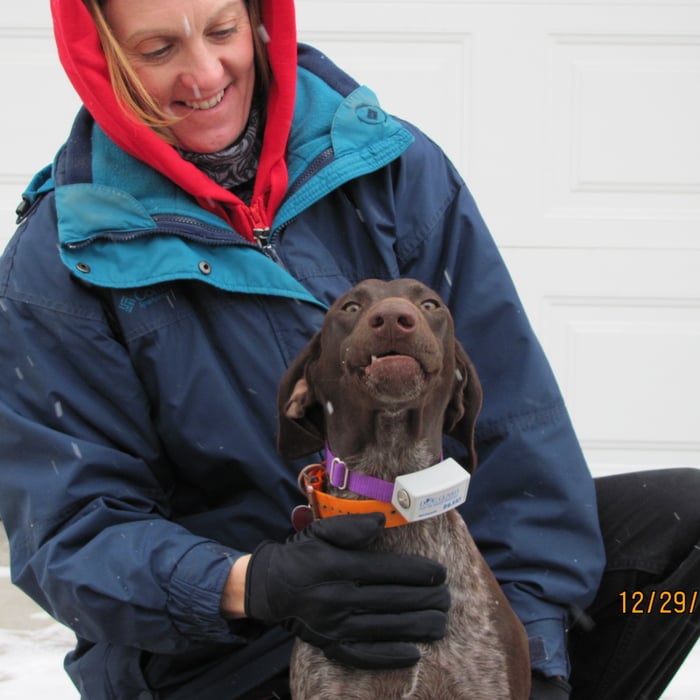
"Was going to buy a fence and install it myself but decided to just let a pro do it. A week latter and the customer service is still top notch. Only complaint was I think the fence was originally set a little high but that was an easy change. If your looking for a dog fence I highly recommend Dog Guard."
Once the animals and their young are out of the house, remove the nest and locate any entry points. Some may be difficult to find because some animals can fit through very small holes. Once you’ve located as many entry points as possible, use materials such as metal or masonry to block off the entry. Ideally, you should choose materials that most animals cannot chew through. Create a one-way door or flap to allow animals to leave but not return. Additional methods include using repellants designed to make an area unappealing to the types of animals that find your home so inviting.
Voles are pretty prolific breeders, managing to squeeze in 5 to 10 litters a year, and each litter usually has around 3 to 5 little ones. These furry creatures are flexible with their love lives, as they can breed all year round, though spring and summer are their prime times. If they're living it up in warmer areas, voles don't take a break and keep reproducing non-stop.
Some animals, such as bats or birds, will be able to get out of chimneys on their own since they can fly. Other animals, however, may have a harder time and will require the help of a professional to escape. Squirrels and raccoons in particular may become stuck inside a chimney, especially if you have a buildup of soot or creosote inside. This can prevent them from being able to climb out, in which case you’ll need to call an animal control expert to help remove them.
In addition to a clean home, fleas dislike oils made from plants that are naturally bug-resistant or poisonous to bugs. That includes myrtle, mint, eucalyptus, and especially cedar oil. Common household remedies like baking soda, garlic and apple vinegar don’t have any effect on fleas. Don’t spray essential oils directly on your own skin or your pets (and their bedding, because it can be a skin irritant. Stay away from tea tree oil. In pure form it can be very toxic to pets. Always ask your vet if you have any questions.
Groundhogs have a strong aversion to powerful scents, including garlic, ammonia, vinegar, hot peppers like cayenne, and predator urine. Various herbs such as rosemary, lavender, basil, mint, sage, thyme, and oregano can also act as deterrents. You can strategically use these odors around your property by planting these crops near your garden and by the entrances to groundhog burrows. Commercially available repellents offer another option, and for best results, scent-based deterrents should be used alongside other preventive measures.
The Atkinson, NE homeowners’ guide to animal fencing services
From average costs to expert advice, get all the answers you need to get your job done.
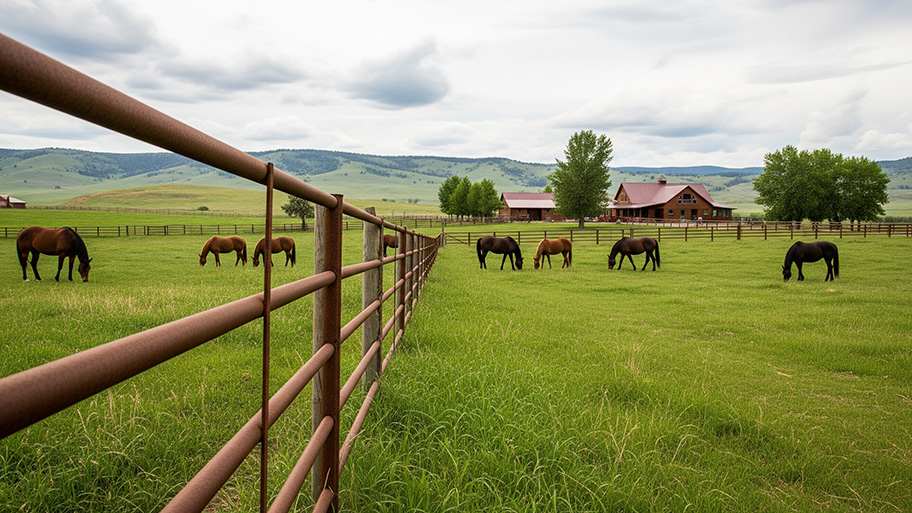
Pipe fencing is an extremely strong, durable option for containing horses and other livestock. This guide breaks down the factors that affect pipe fence cost.