





Top-rated arborists.

Get matched with top arborists in Washburn, ND

Enter your zip and get matched with up to 5 pros

Need a pro for your arboricultural service project in Washburn, ND?

Select your specific project to find the pro for you.

Find Arborists in Washburn

Avatar for Tree Rows 4 U
Tree Rows 4 U
5.0(
8
)
Trees & Shrubs - Treat, Protect and Maintain

Serving Washburn, ND and surrounding areas

In business since 2010

Free estimates

Credit card accepted

"We are very happy with the quality of trees we purchased from Tree Rows 4 U, along with the great communication and customer service. Tree Rows 4 U also worked with us to plant bareroot shrubs we purchased elsewhere before hiring them for the rest of our trees. So happy we got our trees in and can now watch them grow and enjoy for years to come! Highly recommend!"
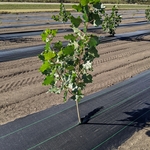
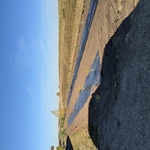
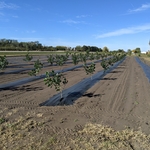
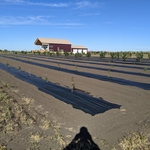
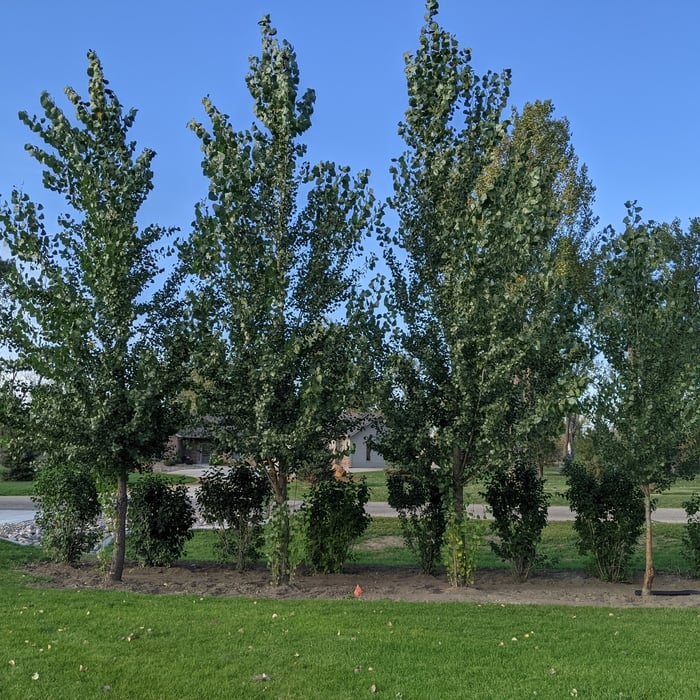
Hybrid Poplar
Front rows of Lilac and Spruce
Chokecherries and Hybrid Poplar
Lilacs on the row nearest the road
Bismarck Home Near River

+7

Recommended by100%of homeowners
Avatar for C&C Tree And Snow LLC.
C&C Tree And Snow LLC.
4.4(
5
)
Tree RemovalTree Removal - For BusinessTree Stump - Remove+7 more

Serving Washburn, ND and surrounding areas

In business since 2008

Free estimates

Emergency services offered

"

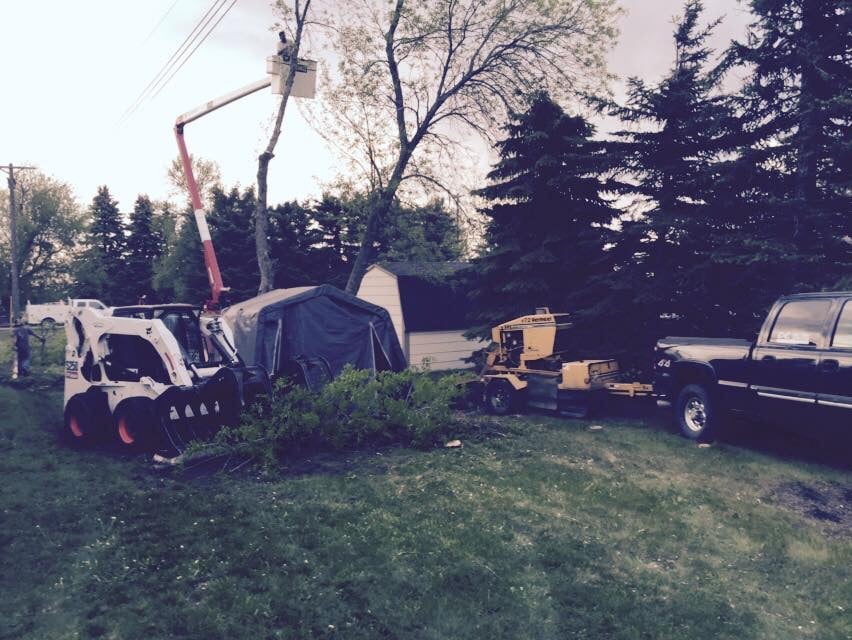
The work took 5 days and was most demanding on their part. Considering all they had 31 years of neglect in the grove stand.  I am pleased with the result.  I imagine an additional charge would completely clean up the remainder of the grounds, but with limited funds I had available, I could not expect more.  Over all the price was reasonable and work done promptly with attention to hauling away many truck loads of branches.


"
Additional Photos
Additional Photos
Additional Photos
Additional Photos
Additional Photos

+4

Recommended by100%of homeowners
Showing 1-10 of 24
Arborists questions, answered by experts

There are a few general rules to follow that will help you prune your trees correctly. One of the most important rules is to prune during the correct season for the type of tree you have. Typically, pruning should be during late winter. For younger trees, you should not remove more than a ⅓ of the tree's crown when pruning. Also, remember to remove dead and diseased branches first, then proceed with pruning the rest of the tree.

Generally, homeowners do not need permission to cut down a tree on their own private property, but there are several exceptions where a permit may be required. You might need a permit if the tree is particularly large, old, or a protected species, such as a heritage tree. Trees located near public property or power lines can also be subject to special rules. Additionally, many local governments and homeowners associations (HOAs) have regulations controlling which trees can be removed to manage an area's appearance or prevent the spread of invasive species. To avoid hefty fines, it is crucial to check with your local government and HOA to determine if a permit is needed before you begin.

Since overwatering can harm mature trees just as much as a lack of water, it’s important to know the signs of an overwatered tree. If your tree’s leaves are yellowing, wilting, or dropping leaves, it’s likely that you’re overwatering. Other common signs include rotting, fungi, soggy soil, soft or peeling bark, falling leaves, and brittle roots. 

If you realize that you’ve been overwatering your mature tree, stop watering and give the soil time to dry out. Then moving forward, increase time between watering sessions. 

Although the terms tree trimming and tree pruning are used interchangeably, they are very different types of tree maintenance. Tree trimming involves enhancing the appearance of your tree by removing unruly branches, providing your tree with ample sunlight and nutrients and prevents unsightly overgrowth. 

Tree pruning helps keep your trees disease-free. This process removes unhealthy growths, dead branches, and other unhealthy parts of the tree. It’s more common for deciduous and ornamental trees but not so common for evergreen trees. To determine which method you need, discuss it with a tree trimming specialist.

In most ways, palm trees are incredibly low-maintenance. They don’t need a ton of water—which is why they’re so beloved in desert regions—and they basically prune themselves. But they do need an ample supply of sunlight and to be in soil that will allow for proper drainage so that their roots don’t become waterlogged and at risk of developing illnesses.

If the plant begins to wilt, develop spots, or change color, these could all be signs that your palm tree has a disease. But a few basic treatments, like pruning and applying fungicide, will usually be more than enough to return it to perfect health.

The Washburn, ND homeowners’ guide to arboricultural services

From average costs to expert advice, get all the answers you need to get your job done.