Doorbell Installation questions, answered by experts
One of the clearest signs that your insulation isn’t working as well as it should be is a noticeable difference in temperature throughout your home. One room might feel icy while another is hot as Arizona—this indicates that some parts of your home are either retaining or losing heat more than others. Additionally, a sudden increase in your energy bills, evidence of pests or rodents, or evident water damage are other signals that warrant a thorough inspection of your insulation and potential replacement.
If you feel your energy bills are too high or your HVAC system is working harder than necessary to maintain the correct temperature in your home, you may have an under-insulated home. If you’re unsure, consider having your system’s efficiency assessed by a local independent energy auditor.
On average, insulating an attic costs about $2,500, with a typical range of $1,500 to $3,500. The final price often depends on the attic's size, with costs generally falling between $1 to $3 per square foot. For example, insulating a 1,800-square-foot attic would likely cost between $1,800 and $5,400.
If the project involves removing old insulation, this can add an average of $900 to the total cost, bringing a full removal and reinsulation project to around $3,000.
Several factors influence the overall cost:
Insulation Type: Prices per square foot vary significantly by material.
Reflective: $0.50–$1.50
Blown-in: $1–$4
Batt: $2–$4
Loose-fill: $2–$5
Spray foam: $2–$5
Structural insulated panels (SIPs): $4–$7
Project Complexity: Factors like sealing air leaks, poor attic accessibility, and required inspections can add to the cost.
Removal Issues: The discovery of mold, asbestos, or pests during the removal of old insulation can substantially increase the price.
Professionals can install a radiant barrier in a day or two, but DIY installation will take several days. The time it takes to install a radiant barrier depends largely on the size of the space and the installation method. Larger homes can take a pro two to three days to finish the job. It’s also quicker to lay foil over existing insulation.
A radiant barrier is a form of insulation topped with a reflective material designed to keep homes cool during hotter months. It is generally considered worth the investment if you live in a hot, sunny climate, as the cost can be recouped over time through lower energy bills. Installation costs typically range from $0.10 to $1 per square foot. After installation, homeowners in warm climates may save between $7 and $15 per month, potentially reducing their electric bill by 5% to 10%. The exact savings will vary depending on your location and the type of barrier chosen.
The Rolla, ND homeowners’ guide to doorbell installation services
From average costs to expert advice, get all the answers you need to get your job done.
Ring a bell? From replacing a wired doorbell to setting up a smart home system, learn about typical doorbell installation costs, including materials and labor.
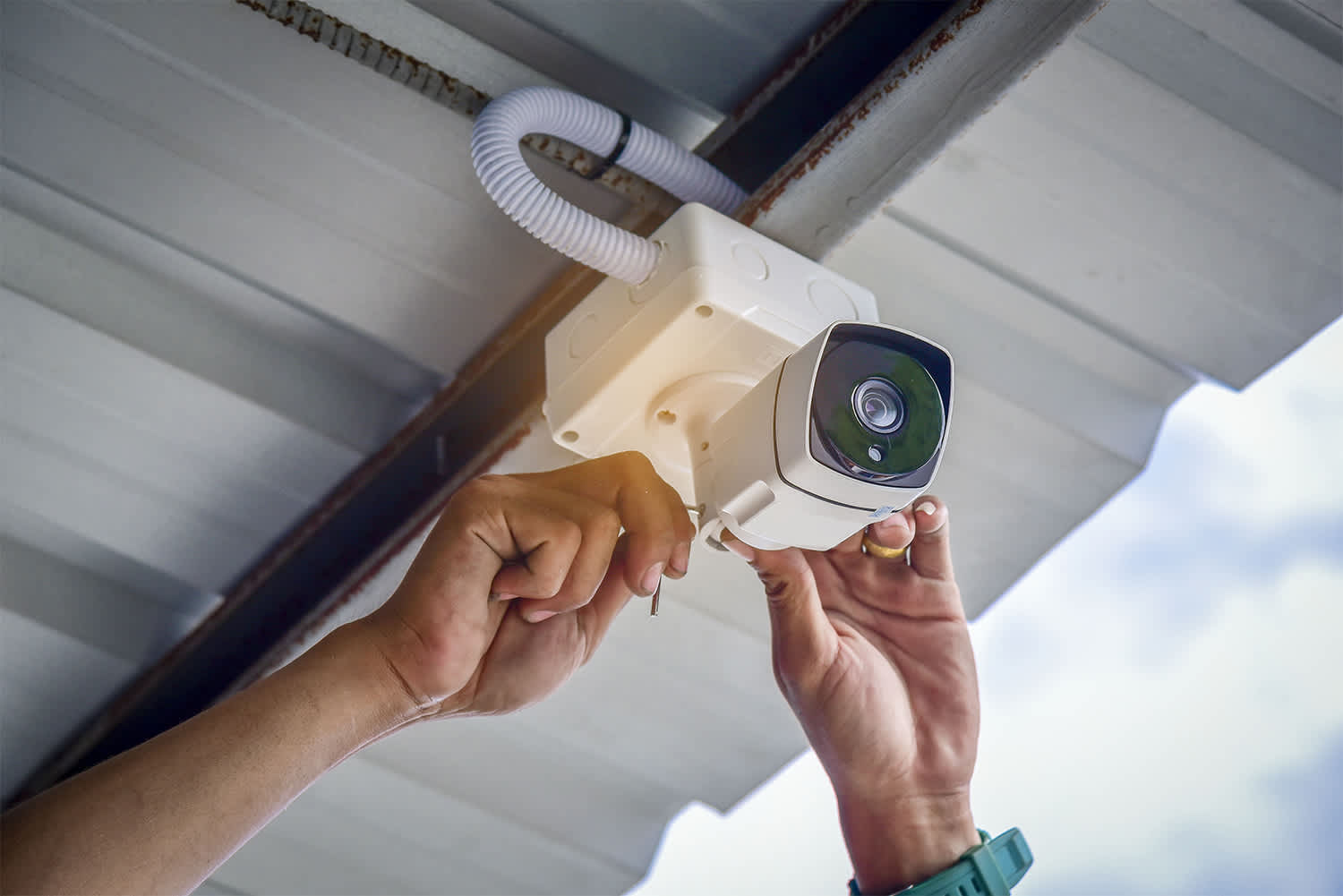
How much does it cost to install a doorbell camera? It depends on whether you plan to DIY or hire a pro. Learn about different models and their power sources, too.
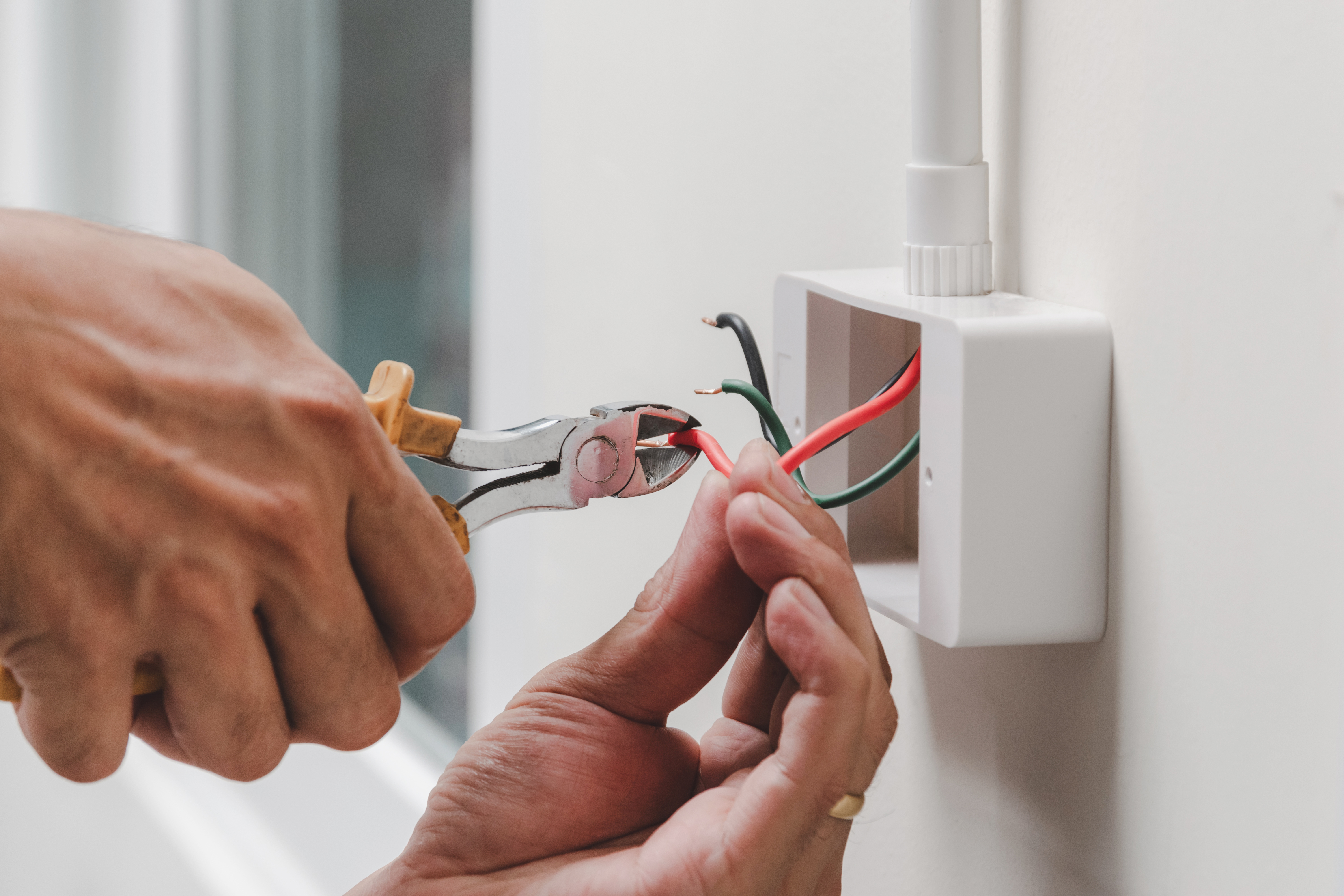
Doorbell wiring is a project you can DIY. This guide covers everything you need to know, from different types of doorbells to wiring, and how to remove an old doorbell.
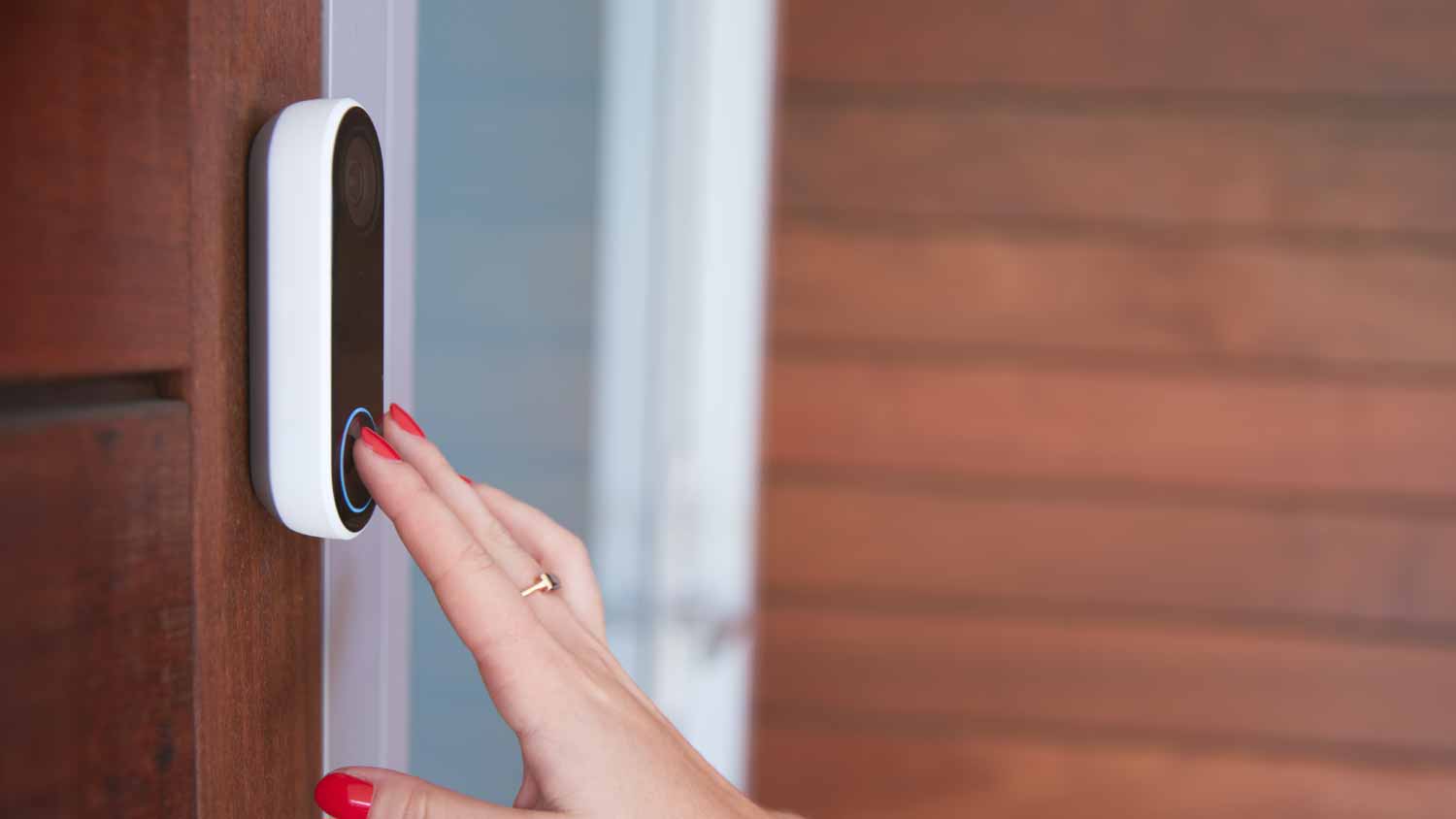
Ready to upgrade your front door and learn how to wire a doorbell? You may be able to handle this relatively simple DIY installation without an electrician.