"AHS is ok. They cover repairs of most everything under the roof of your house. The companies that contract with them are not always the best. You call AHS with the issue, they send a fax to the repair company and give you the contact info. If they don't contact you within 24 hours, you call them. Sometimes they answer, sometimes they don't. When they arrive (usually three days or so later), they service the item. if it has issues within the 90 days, you call AHS again, they are sent out with no charge. If the serviceman decides the unit is unrepairable, AHS will allow you to choose a replacement from their listing (usually not as good as what you have) they will install and remove your old item, or give you wholesale amount to buy and install your own. Prices vary on what you want covered and what you want the copay to be, plus where you live. For me it is 49.99 per month with a 75.00 time of service order. You can have more than one item serviced at the same time under the same fee. If you have a SEAR product the repair guys are great. Not that wild about the other ones they send out. But it is a big savings compared to calling someone on your own. The cost of service is only the 75.00 copay."
We are committed to excellence in every aspect of our business. We uphold a standard of integrity bound by fairness, honesty, and personal responsibility. Our distinction is the quality of service we bring to our customers. Accurate knowledge of our trade combined with ability is what makes us true professionals. Above all, we are watchful of our customers' interests, and make their concerns the basis of our business.
\n
Mold Testing and Remediation questions, answered by experts
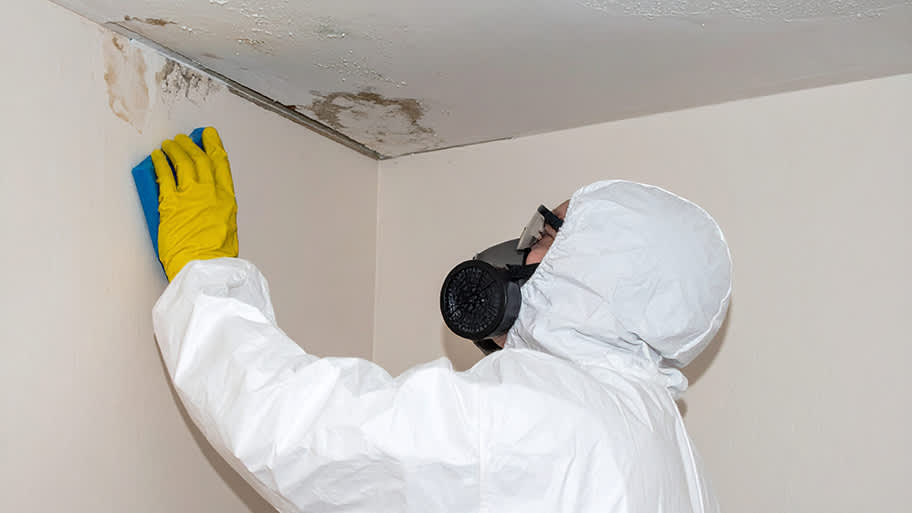
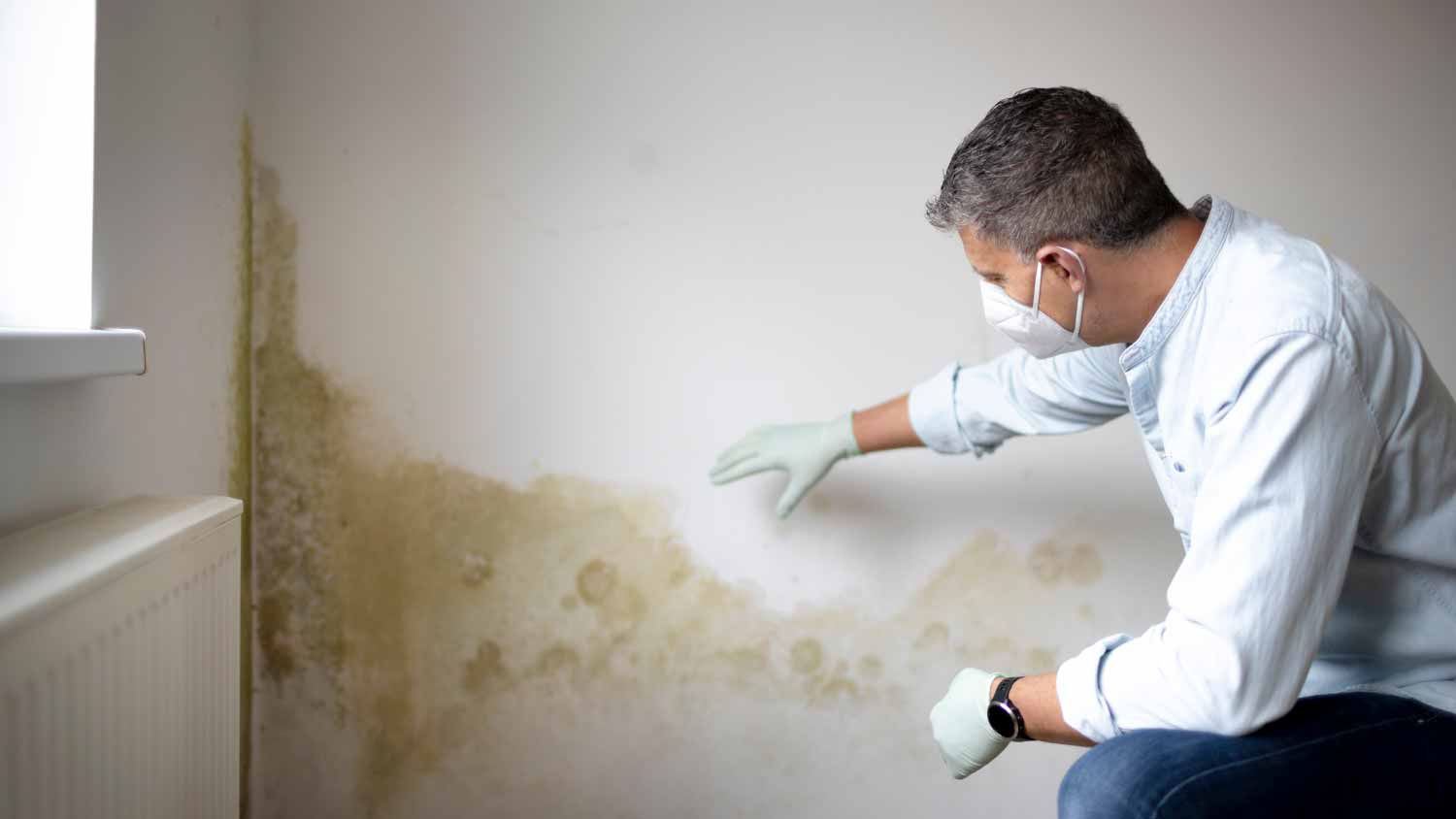
It is not advisable to stay in a house with black mold. Exposure to black mold, or any mold, can lead to health problems, especially for vulnerable individuals such as children, the elderly, or those with weakened immune systems. Black mold produces mycotoxins, which can cause respiratory issues, skin irritation, fatigue, and headaches. If black mold is detected, it is crucial to evacuate the premises, seek professional help for remediation, and only return once the area is thoroughly cleaned and confirmed mold-free by experts.
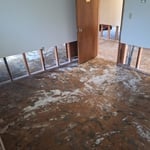
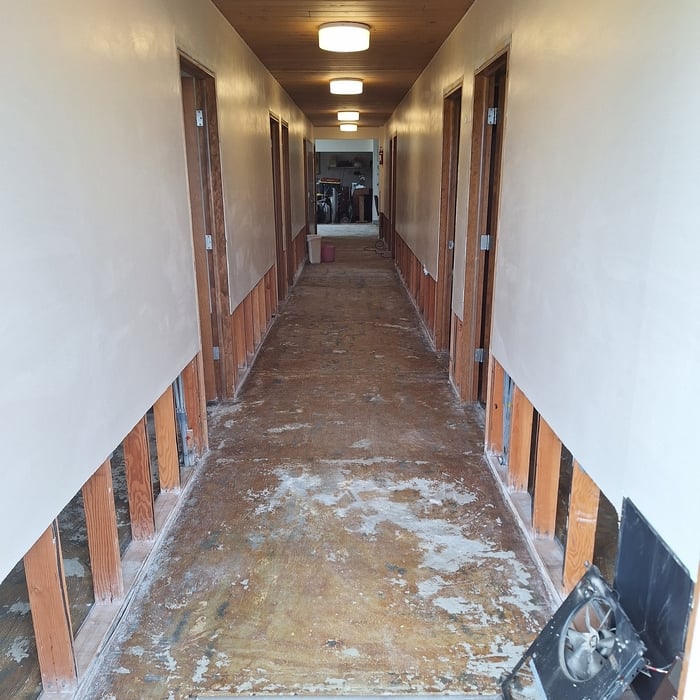
Water damage occurs when your property or items suffer damage due to excess and unwanted water or moisture. The water could be present due to a natural disaster such as a hurricane or a burst pipe—water damage can be caused by many things. If necessary, contact a local water damage restoration company.
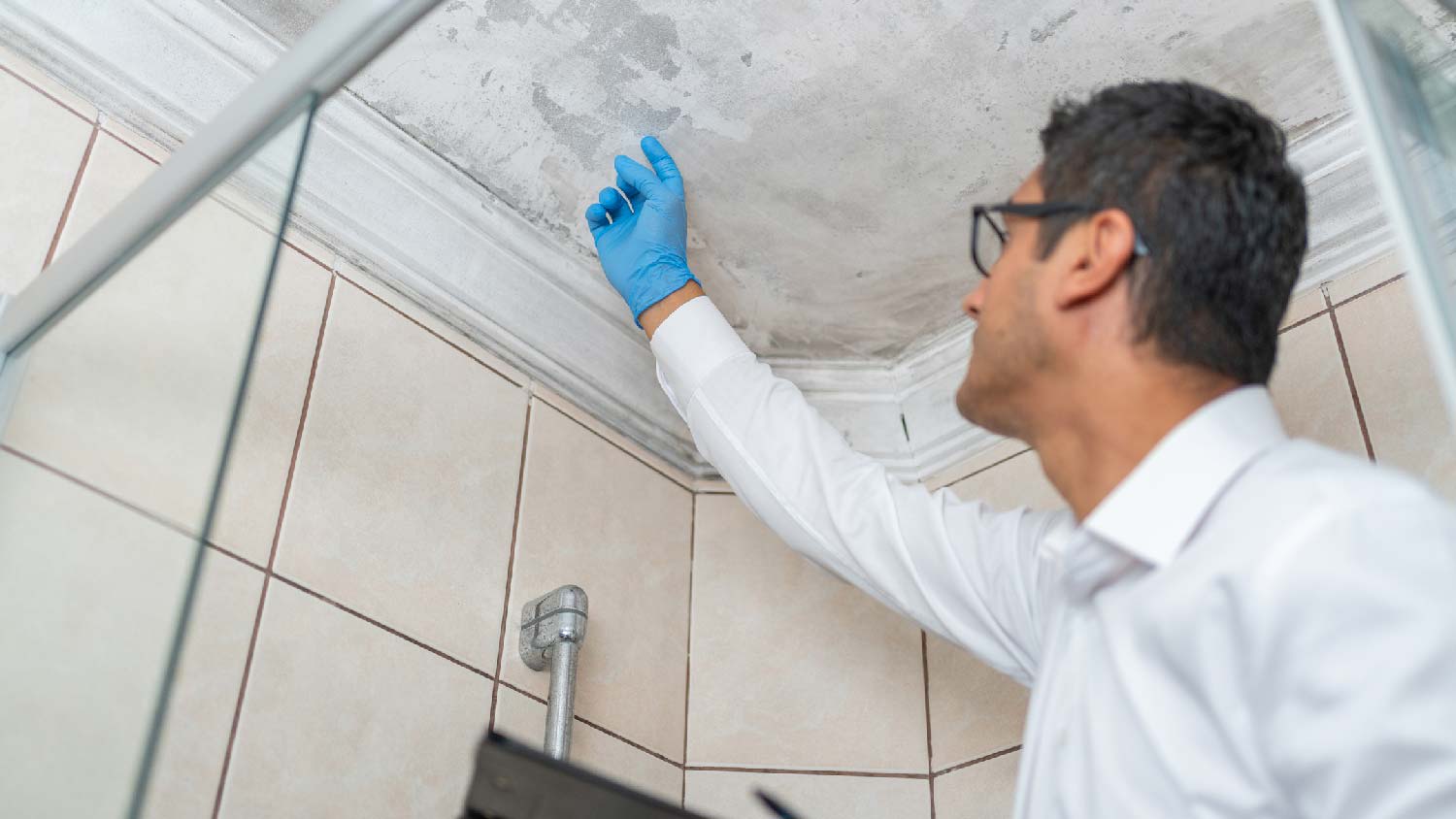
Hiring a professional for mold and toxic material testing ensures precise identification of harmful substances within a home. Professionals utilize specialized equipment and techniques, providing accurate results that inform proper removal strategies, safeguarding occupant health.
No, a dehumidifier does not actually remove mold. It only reduces the moisture in the room, which mold needs in order to grow. If you already have mold, you’ll need to do a deeper cleaning or call a pro to remove the existing mold first.
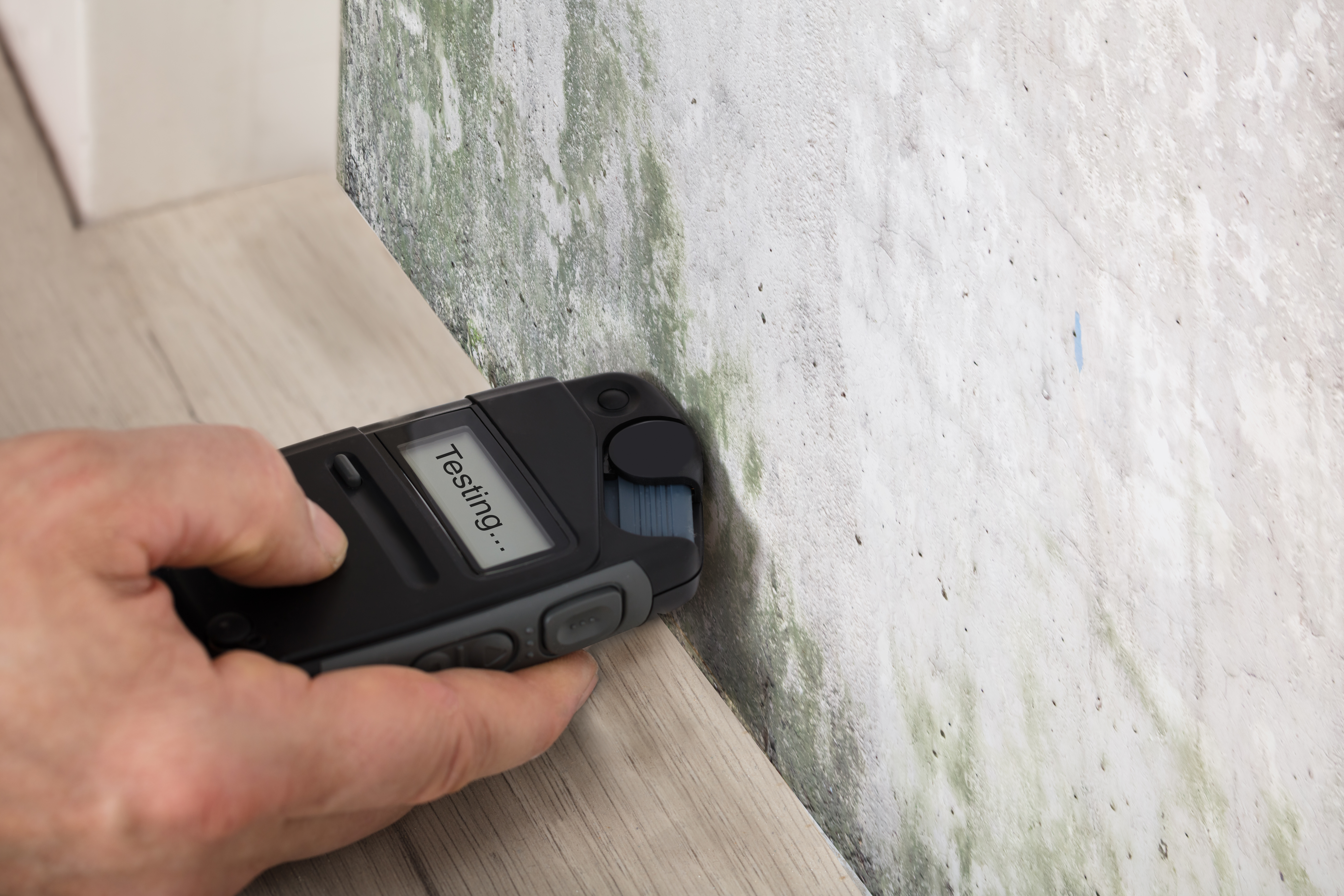
Although you can run a DIY test for mold inside your home by buying a test kit, you won’t know whether the strain of mold is dangerous. The best way to test for mold in a home is to hire a professional who can determine the specific type of mold that you have. If you’re worried you exposed yourself to mold and it’s making you ill, you could request a health test. Your personal doctor could test your urine, take a nasal swab, or test some body tissue to determine your potential exposure to mold.
The Rolla, ND homeowners’ guide to mold testing and remediation services
From average costs to expert advice, get all the answers you need to get your job done.
The cost of a mold inspection might seem high, but it’s one of the best investments you can make for your health and home. Read on to learn cost-saving tips.
There's an excellent reason why you should avoid going with the same company for mold testing and mold remediation. Learn why different companies should handle these tasks.
When is mold remediation required at your home? We can help you decide whether the musty odor or the patch of mold you’re experiencing requires a pro’s help.
Figuring out how to test for mold in your home is important. Mold testing can offer peace of mind and lets you know if it’s time to call a pro. Learn about mold testing processes in this guide.