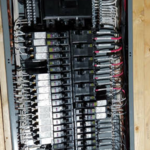
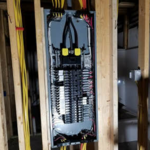
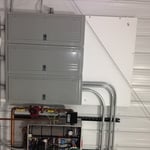
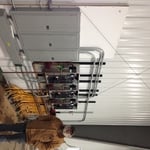
"Aaron the owner came out on a weekend too do a wiring inspection on a house my wife and I just moved into. I made several calls trying too find an electrician and in a timely manner. Several tried to upcharge (and didnâ t know I am a licensed contractor in the state I just moved from. ) He provided not only honest answers but a fair affordable price that I can safely feel confident calling again for any further electrical needs"
Hi I’m JP. I’m an experienced electrician. I got over 15 years of professional installation expertise. Anything you need installed in a clean, never notice my work type of way. I can promise you it’s worth the call. No one is better. Let me show you.
With years of experience serving the Dickinson area, we are your solution for all your electrical needs. We take great pride in our extreme professionalism, timeliness and superior customer service on every job. We make sure to develop a lasting relationship so that the next time service is needed there will be no question on who to call. Check out our 5 star reviews from happy customers! Call us today so we can discuss your needs and make a plan that fits your budget. Satisfaction guaranteed!
Setting up utilities on a vacant property usually takes at least a few months, or between 6 weeks to 16 weeks. This process requires working with the local planning and zoning department, hiring a building contractor or engineer to design the utility layout, securing permits, laying the lines, and connecting the utilities.
While the rating will tell you how many watts the refrigerator needs at the peak of its cycle, it requires additional wattage to start. At the bare minimum, you’ll need a 1,500-watt generator to get the fridge up and running after a blackout. A 2,000-watt generator should be sufficient for most home refrigerators.
The amount of time a standby generator can run continuously is around 3,000 hours on average. However, standby generators can generally run indefinitely as long as they have a continuous fuel supply. Generators hooked up to a home’s natural gas supply are the best option for extended usage, as these won’t rely on a finite fuel supply based on how much you have in storage. Generators running on liquid propane or diesel won’t last as long, as these require fuel storage and regular refueling to stay running.
An undersized whole-house generator has the potential to overheat and shut down when you try to run a central AC system. This scenario can not only damage the whole-house generator, but can also trip your home’s breakers or cause electrical damage. To avoid this situation, hire a local generator installer to correctly size your whole-house generator.
Yes, in most municipalities, you will need a permit to install a permanent home generator, including emergency backup, partial-home, and whole-home models. Because these installations involve significant alterations to your home's electrical system and produce exhaust fumes, local governments often require a permit or inspection for safety purposes. A generator permit typically costs between $50 and $250, depending on your location. Your electrician or certified installer can usually handle the permitting process for you, but you will be responsible for the cost. It's a good practice to confirm with your installer that they will pull all necessary permits before work begins.
The New Salem, ND homeowners’ guide to generator installs
From average costs to expert advice, get all the answers you need to get your job done.
Natural gas generators are whole-home standby generators that are connected to your home’s natural gas line. The average cost for a natural gas generator is $12,000.
Generators should give you peace of mind, but you’ll only get that if your installer knows what they’re doing. Learn how to hire a pro and what red flags to look for.
Thinking about a generator installation? Learn about backup power options, costs to expect, and how to hire the right local pro to keep your home running.