



Reindel Enterprise, Inc.
Fixed Generator - Install
Serving New England, ND and surrounding areas
Approved
In business since 2015
Free estimates
Small jobs welcome
"Love working with Reindel Electric!"
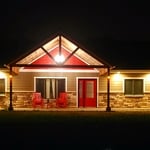
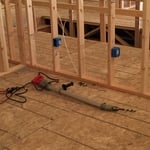
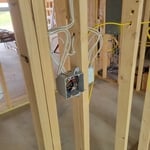
+6

*The Angi rating for Generator Install companies in New England, ND is a rating based on verified reviews from our community of homeowners who have used these pros to meet their Generator Install needs.
*The HomeAdvisor rating for Generator Install companies in New England, ND is a rating based on verified reviews from our community of homeowners who have used these pros to meet their Generator Install needs.
Last update on June 18, 2021
Serving New England, ND and surrounding areas
Approved
In business since 2015
Free estimates
Small jobs welcome
"Love working with Reindel Electric!"
+6
Serving New England, ND and surrounding areas
In business since 2015
Free estimates
Credit card accepted
"Courteous, clean and do great quality work!"
Serving New England, ND and surrounding areas
In business since 2009
Free estimates
Emergency services offered
"Did not have a line locator"
+17
Serving New England, ND and surrounding areas
In business since 2003
Free estimates
Offers commercial services
"Everything turned out really good. Chris does great work."

Serving New England, ND and surrounding areas
In business since 1978
Free estimates
Credit card accepted
With years of experience serving the Dickinson area, we are your solution for all your electrical needs. We take great pride in our extreme professionalism, timeliness and superior customer service on every job. We make sure to develop a lasting relationship so that the next time service is needed there will be no question on who to call. Check out our 5 star reviews from happy customers! Call us today so we can discuss your needs and make a plan that fits your budget. Satisfaction guaranteed!


+2
Serving New England, ND and surrounding areas
In business since 2015
Credit card accepted
Offers commercial services
Minards Electric LLC is committed to excellence in every aspect of our business. We uphold a standard of integrity bound by fairness, honesty, and personal responsibility. Our distinction is the quality of service we bring to our customers. Accurate knowledge of our trade combined with ability is what makes us true professionals. Above all, we are watchful of our customers interests, and make their concerns the basis of our business. \n
From average costs to expert advice, get all the answers you need to get your job done.

The average cost of a whole-house generator falls between $5,000 and $25,000. Keep reading to learn how much you can expect to spend.

The cost to install a generator transfer switch depends on several factors. Our guide will help you understand all of the costs.

Natural gas generators are whole-home standby generators that are connected to your home’s natural gas line. The average cost for a natural gas generator is $12,000.

Generators should give you peace of mind, but you’ll only get that if your installer knows what they’re doing. Learn how to hire a pro and what red flags to look for.

Whole home generator installations require a professional hand. Read this guide to help you decide which generator is best for your home.
Thinking about a generator installation? Learn about backup power options, costs to expect, and how to hire the right local pro to keep your home running.