"He is willing to truly fix anything and if he does not know how he will be honest and let you know but will try to find someone that will be able to do it"
We take great pride in our experience, expertise, quality and customer service that\nwe provide to meet your needs. It is our mission to provide excellent workmanship\nand complete customer satisfaction from start to completion of a project. \nIn order to understand the needs and expectations of our customers,\nwe take great care to work and communicate with every customer a professional manner.\nOur reputation is based on service, safety and quality, regardless of how large\nor small the job.
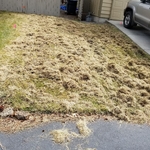
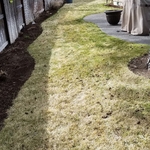
"Hired to remove snow from my roof. Attention to detail and attitude was amazing considering they worked in -30 degree wind chill. Job was completed in a timely manner with excellent results. They even cleaned my driveway and sidewalk leading to my backyard as part of the project. Excellent work and I'd highly recommend Bagwells to anyone. We have another winter storm coming, so I'll be hiring them again. Outstanding!"
"I was not the person who hired him but out of so many contractors, he showed up and worked super hard in 100 degree weather till it was done. I was very impressed with his worth ethic."
"Josiah was great to work with! Super friendly, fast, and great value. Personable and knowledgeable. I look forward to working with him more in the future."
We are a locally owned and operated company that values honesty and integrity in all aspects of our business. Our major focus is on the quality our work and producing outstanding results. We are committed to creating a level of value unmatched by any of our competitors. We look forward to building lasting relationships with our clients and guarantee your satisfaction!\n
Fire Pit Installation questions, answered by experts
When a carbon monoxide alarm goes off, you should always take it seriously. Infrequent and occasional chirps often point to a low battery, a faulty device, or dust buildup (this usually affects smoke detectors and not standalone CO detectors). A continuous alarm signals an emergency, and you should immediately evacuate and call 911. When it comes to carbon monoxide in your home, it’s better safe than sorry.
EIFS has several disadvantages, primarily related to cost and moisture. The system tends to have higher upfront installation costs compared to other siding options, and repairs can also be expensive, especially if water damage occurs. A significant downside is its low breathability, which can trap moisture between its layers from either leakage or condensation. This trapped moisture increases the risk of developing mold and rot, which can lead to costly and extensive repairs if not addressed promptly.
The short answer is yes, but the longer answer is more complex. Unless the fireplace is ventless by design, you’ll need some type of exhaust pipe system to safely send fumes and other harmful byproducts out of the house. Even then, ventless fireplaces are not always permitted because they do keep the byproducts inside of your house. Ventless fireplaces are safest when installed in spaces that are themselves well-ventilated, like large rooms with lots of windows.
Yes, you should seal and cap an unused chimney to protect it from damage. Sealing the structure helps prevent moisture damage, which can lead to issues like cracks, spalling, efflorescence, and damaged mortar joints. Capping the chimney is also crucial to prevent blockages, damage from invasive critters, and downdrafts, while still allowing for proper air ventilation to manage moisture. For the best results, consult a chimney professional to select the right type of chimney or flue cap for your home. It's also wise to continue with annual chimney inspections to maintain the structure's integrity.
If your oven is new, then it’s likely that the oven smoking is due to it being a new unit. In this case, you don’t need to worry about the oven smoking. However, if your oven is old, you can’t identify any burnt food or grease that could be behind the smoking, or you have concerns about the heating element, then you should hire an oven technician to inspect your unit.
The Garrison, ND homeowners’ guide to fire pit installation services
From average costs to expert advice, get all the answers you need to get your job done.
A fire pit installation costs $850 on average but can vary by size, fuel type, materials, and more. See how much you need to budget for a new fire pit.
Discover fire door cost data, including installation, materials, and tips to save. Learn what impacts fire door pricing and how to budget for your project.
Discover home fire sprinkler system costs, including installation, maintenance, and key cost factors. Learn how to budget and save on your home fire protection.
A fire pit adds attractive entertainment space to your backyard. Learn about standard fire pit dimensions and what factors contribute to fire pit size.