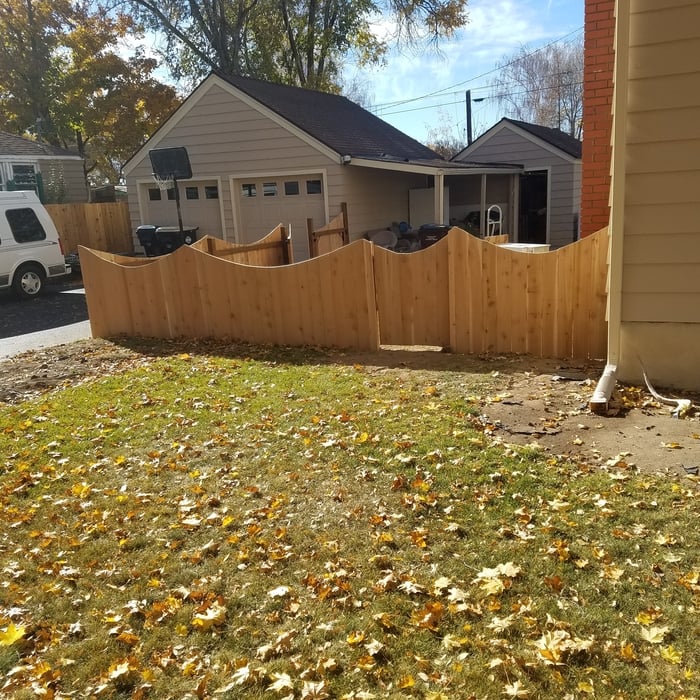
"I worked with Mike, Paxton, and Ryan as they replaced flooring in my basement Livingroom, bedroom, bathroom, 2 small hallways, and stairs with landing. They were amazing to work with - they provided ongoing updates, were sensitive to our schizoid cats, and answered questions professionally. They explained what was needed, listened to any concerns I would have, and helped us to consider next steps in addressing possible mold issues in our basement. I cannot recommend them enough or everyone at Fix it all. It was great seeing Curtis again as I considered baseboards with great recommendations. They are 80% done with the project at this time and I couldn't be more excited to see this dream come true! Thank you to Fix it all and the best group of workers I have been blessed with. Warmly, Andi"
"I have been trying to get a bid for some home repairs, but no one would respond to my requests. Ben showed up when he said he would. He stayed until the job was finished. He communicated honestly and was very fair. I will be calling Ben again for other projects!"
"I am a real estate agent and I recommend him constantly. He is prompt and always does great work. He is on the top of my list anytime i need work done."
We are a locally owned and operated company that values honesty and integrity in all aspects of our business. Our major focus is on the quality our work and producing outstanding results. We are committed to creating a level of value unmatched by any of our competitors. We look forward to building lasting relationships with our clients and guarantee your satisfaction!\n
We pride our company on reliability, great communication, integrity, and quality work. We are experts in our trade and will do our best to keep you as educated as we can on your particular task or project. We look forward to earning your business!
Fire Pit Installation questions, answered by experts
Yes, you should seal and cap an unused chimney to protect it from damage. Sealing the structure helps prevent moisture damage, which can lead to issues like cracks, spalling, efflorescence, and damaged mortar joints. Capping the chimney is also crucial to prevent blockages, damage from invasive critters, and downdrafts, while still allowing for proper air ventilation to manage moisture. For the best results, consult a chimney professional to select the right type of chimney or flue cap for your home. It's also wise to continue with annual chimney inspections to maintain the structure's integrity.
You can relight a pilot light by yourself, but it’s not always the safest choice to do so. While the job is straightforward, a small mistake could end in a gas leak, fire, or explosion. That’s why we recommend everyone hire a pro for this job. Local furnace pros have lit dozens if not hundreds of pilot lights, and they’re well-versed and highly experienced in the proper safety protocols to keep you, your family, and your home safe while doing so.
Once your ashes have fully cooled, you can place them in a heavy-duty trash bag and put them into the bin with your normal trash. If you have wood ash, you can add the ash to your composting pile or sprinkle it over your grass or plants directly for added nutrients.
If you plan to put a fire pit on a grassy area, be sure to put compacted paver sand down first to help level out the ground and add better heat protection. If you’re placing a fire pit on hardscaping, like a concrete patio, consider placing a fire pit mat down first. This can add more protection from the heat and also protect the look of your hardscaping if you choose to remove the fire pit in the future.
Scheduled cleanings and mindful operation habits prevent blockage growth, contributing to efficient smoke release and space heating enjoyment.
The Richardton, ND homeowners’ guide to fire pit installation services
From average costs to expert advice, get all the answers you need to get your job done.
A fire pit installation costs $850 on average but can vary by size, fuel type, materials, and more. See how much you need to budget for a new fire pit.
Discover fire door cost data, including installation, materials, and tips to save. Learn what impacts fire door pricing and how to budget for your project.
Discover home fire sprinkler system costs, including installation, maintenance, and key cost factors. Learn how to budget and save on your home fire protection.
A fire pit adds attractive entertainment space to your backyard. Learn about standard fire pit dimensions and what factors contribute to fire pit size.