"Friendly, professional, knowledgeable and kind. Has been the best contractor I have hired. From extreme shrub and tree pruning, lawn maintenance, spring & fall clean up, and snow removal - I have never been disappointed."
Over time, your septic tank can accumulate a buildup of sludge at the bottom of the tank. If left unpumped and uncleaned, the sludge will back up into your pipes and home, causing failure and extensive (and smelly) damage. Repairs to your septic system can be costly, which is why regular maintenance is required. It takes about 30 minutes to pump a septic tank that’s 1,250 gallons or less or 1 hour for larger varieties.
No. You should dispose of all oil-based finishing products through a local hazardous waste program. Not only can oil-based finishes be hazardous for the environment if disposed of in the sink, but they can cause clogs in your pipes and stop up your drains. Most municipal garbage or waste disposal companies have a specific location or pick-up schedule for hazardous materials, so that’s your best bet to get rid of excess finishing products.
A septic system's lifespan typically ranges from 15 to 40 years, with a common average of 20 to 30 years. The longevity heavily depends on the tank's material, maintenance diligence, and usage habits. With proper care, lifespans can reach the upper end of this range.
Lifespan by Tank Material:
Concrete: 20 to 40 years
Plastic or Fiberglass: 30 to 40 years
Steel: 15 to 20 years
To maximize your system's lifespan, follow these maintenance best practices:
Regular Pumping and Inspections: Have the tank pumped every three to five years and schedule professional inspections regularly.
Mindful Usage: Only flush human waste and toilet paper. Avoid putting items like cat litter, paper towels, cigarette butts, fats, grease, oils, or coffee grounds down your drains.
Avoid Chemicals: Do not pour harsh chemicals into the system.
Water Conservation: Reduce the amount of wastewater your system has to process.
Protect the Drain Field: Avoid driving or building heavy structures over the drain field area.
Natural bacteria break down sludge in a septic tank by dissolving and consuming the solid waste. Your septic tank needs this bacteria to work correctly and avoid filling beyond capacity. You can increase the natural bacteria in your septic tank by adding three rotten tomatoes through your garbage disposal every three months.
Regular pump-outs, inspections, avoiding chemicals harming bacteria, and managing water usage are keys to sustaining peak system function.
The Garrison, ND homeowners’ guide to aquarium services
From average costs to expert advice, get all the answers you need to get your job done.
Discover mosquito control service cost estimates, including average prices, key cost factors, and tips to save on professional mosquito treatments for your home.
If you’re moving, you need to consider distance, weight, packing, and more. Our guide provides the average cost to move a 3-bedroom house long distance.
Old or worn electrical wires can interrupt the electrical supply to your home. Find out the cost to replace the wire from the meter to the breaker box.
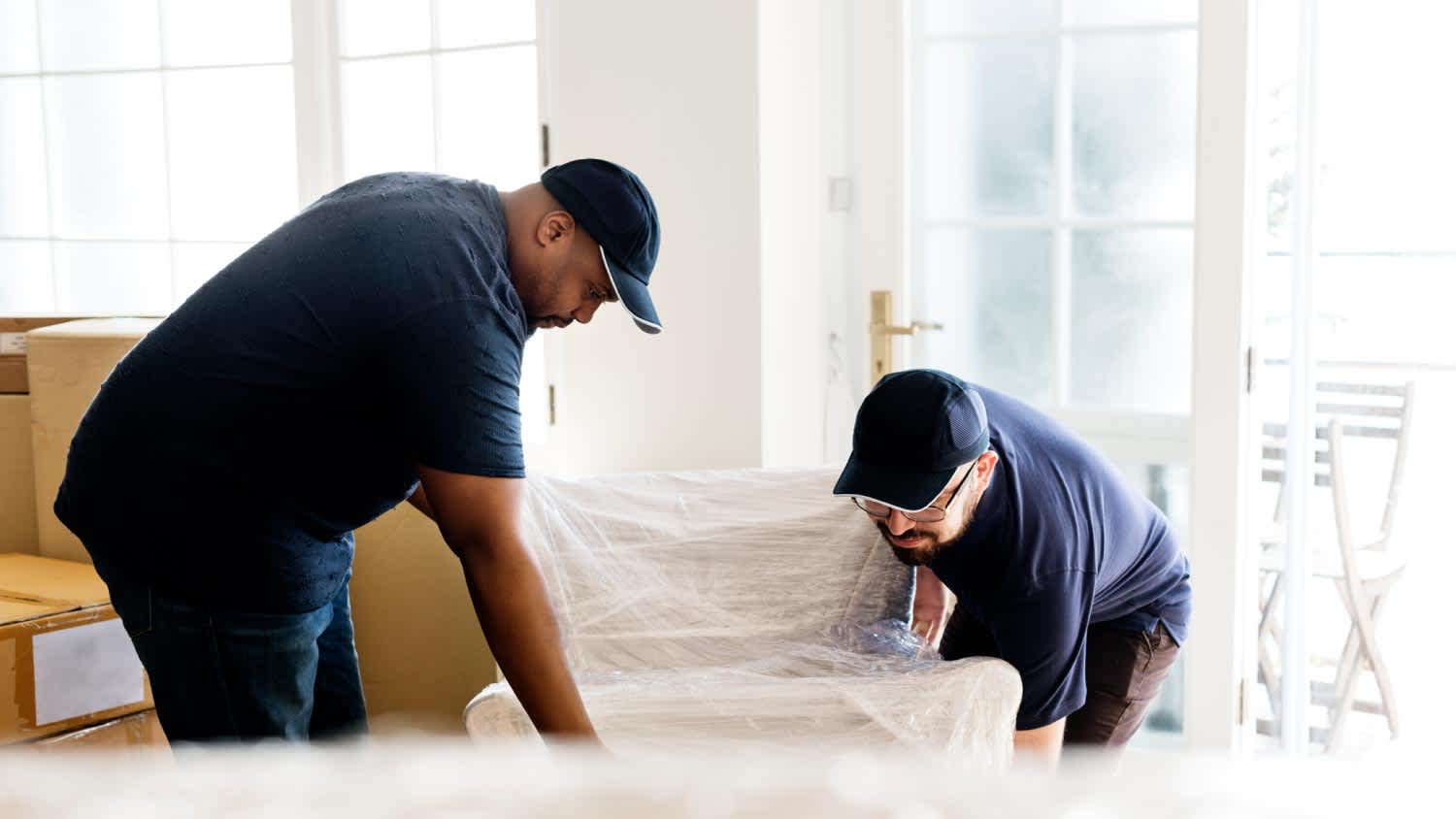
Learn about home items that are nearly impossible to move without movers, either because they are awkwardly shaped, too heavy, or require special equipment.