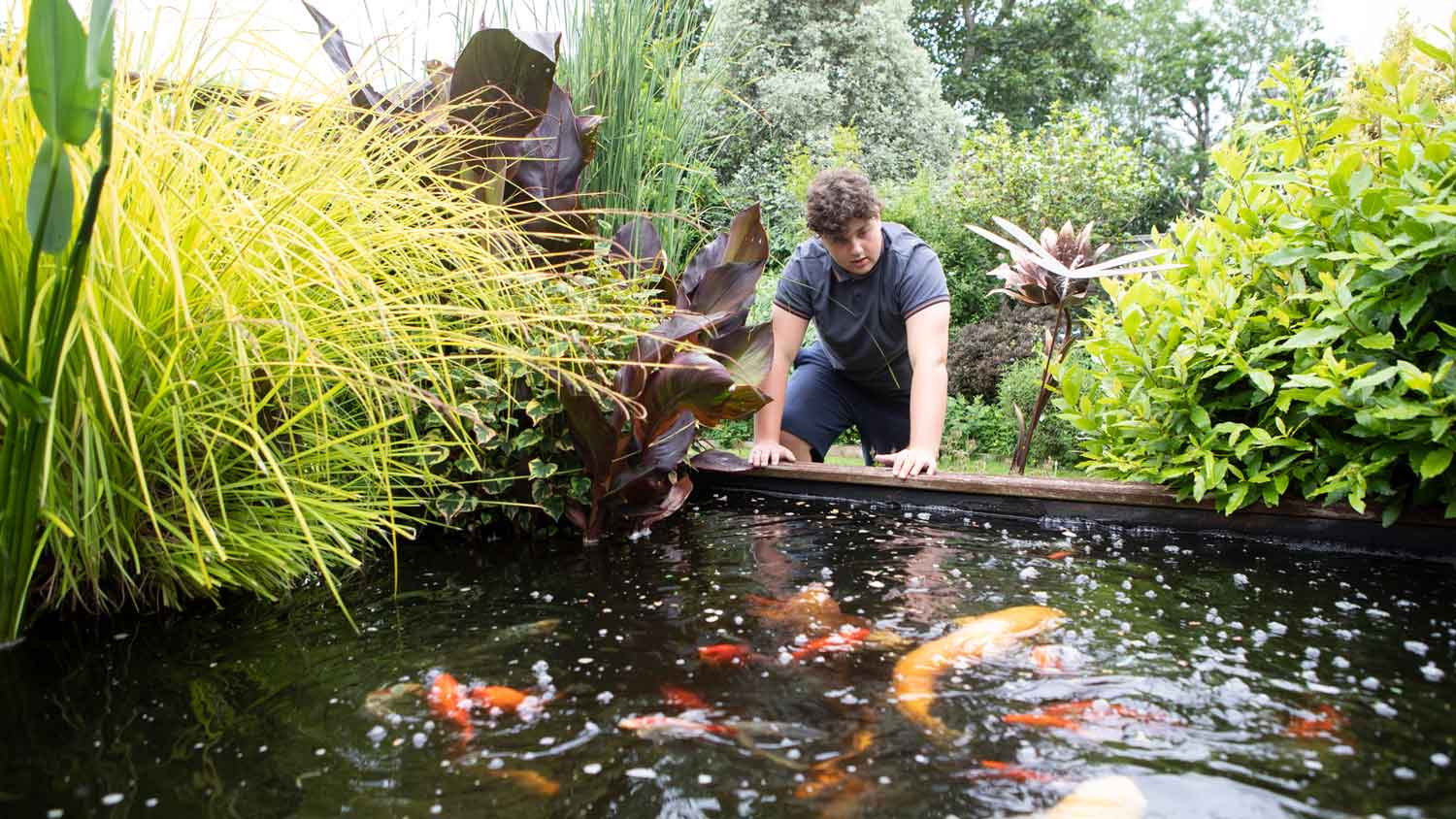
Although cesspits may be necessary depending on your main sewage system access or nearby soil quality, they carry a few drawbacks. Cesspools require regular emptying and have relatively high maintenance and pumping costs. Certain areas also disallow the use of cesspools and may require you to cover the cost of existing cesspools to be converted into septic tanks.
If your leach field becomes clogged or saturated, it can cause several problems with your home's septic system. The clog can cause sewage to back up into your home, leading to unpleasant odors and mess. A backed-up septic system can be a health hazard, particularly if the sewage starts to leach into the ground surrounding the leach field.
There are several ways to fix a saturated drain field, including cleaning out your septic tank, adding enzymes and additives to your drain system, and installing a larger septic system.
Yes—septic tank systems are superior to cesspools in every conceivable way. If you’re not able to connect your home to a greater sewage network, a septic tank system and a drain field are great for responsibly disposing of waste. It’s also cheaper to pump a septic tank, easier to find a local septic tank professional than those who work with cesspools, and better for the environment.
The best times of year to empty or pump a septic tank are spring and fall. Many professionals recommend spring because the ground has thawed, making the tank easier to access and the waste less likely to be frozen. Pumping before summer also helps avoid conflicts with vacations or outdoor gatherings. Fall is another great option, as contractors may be less busy, and servicing the tank can reduce the risk of overflow from winter and spring precipitation. While summer is also a suitable time, winter is generally not recommended due to frozen ground.
To prevent septic tank problems, save on repair costs, and keep your home running smoothly, it's essential to perform regular maintenance. Have your septic system inspected by a professional every one to three years, or annually if possible, to spot potential issues before they develop. You should also have your tank pumped every three to five years, or more frequently if recommended by a professional based on your household's usage. Additionally, be mindful of what goes into your system. Avoid flushing items like paper towels, wet wipes, and feminine hygiene products. Do not dispose of other inappropriate substances, and try to avoid excessive water usage at a single time.
The Killdeer, ND homeowners’ guide to aquarium services
From average costs to expert advice, get all the answers you need to get your job done.
Discover mosquito control service cost estimates, including average prices, key cost factors, and tips to save on professional mosquito treatments for your home.
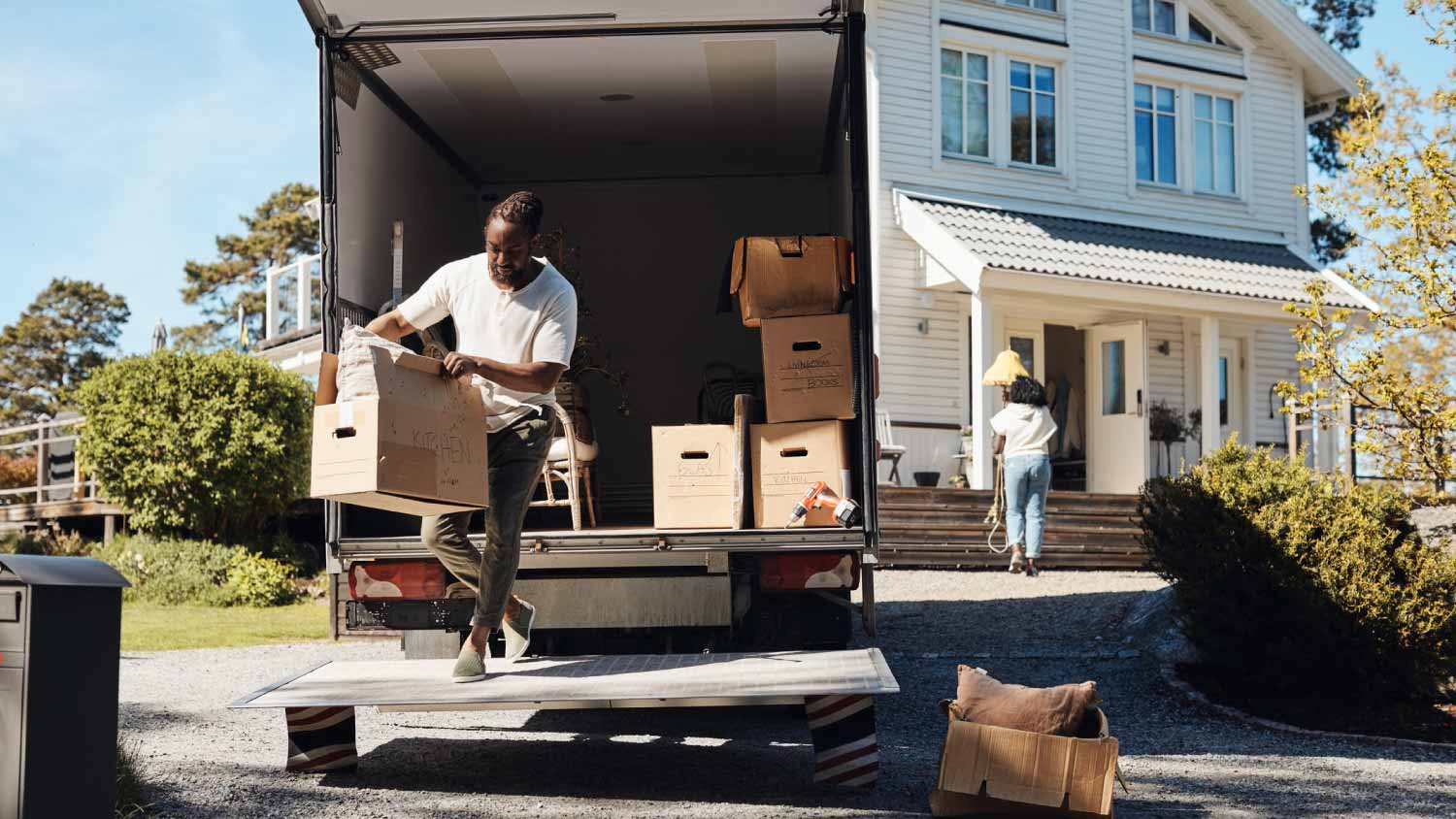
If you’re moving, you need to consider distance, weight, packing, and more. Our guide provides the average cost to move a 3-bedroom house long distance.
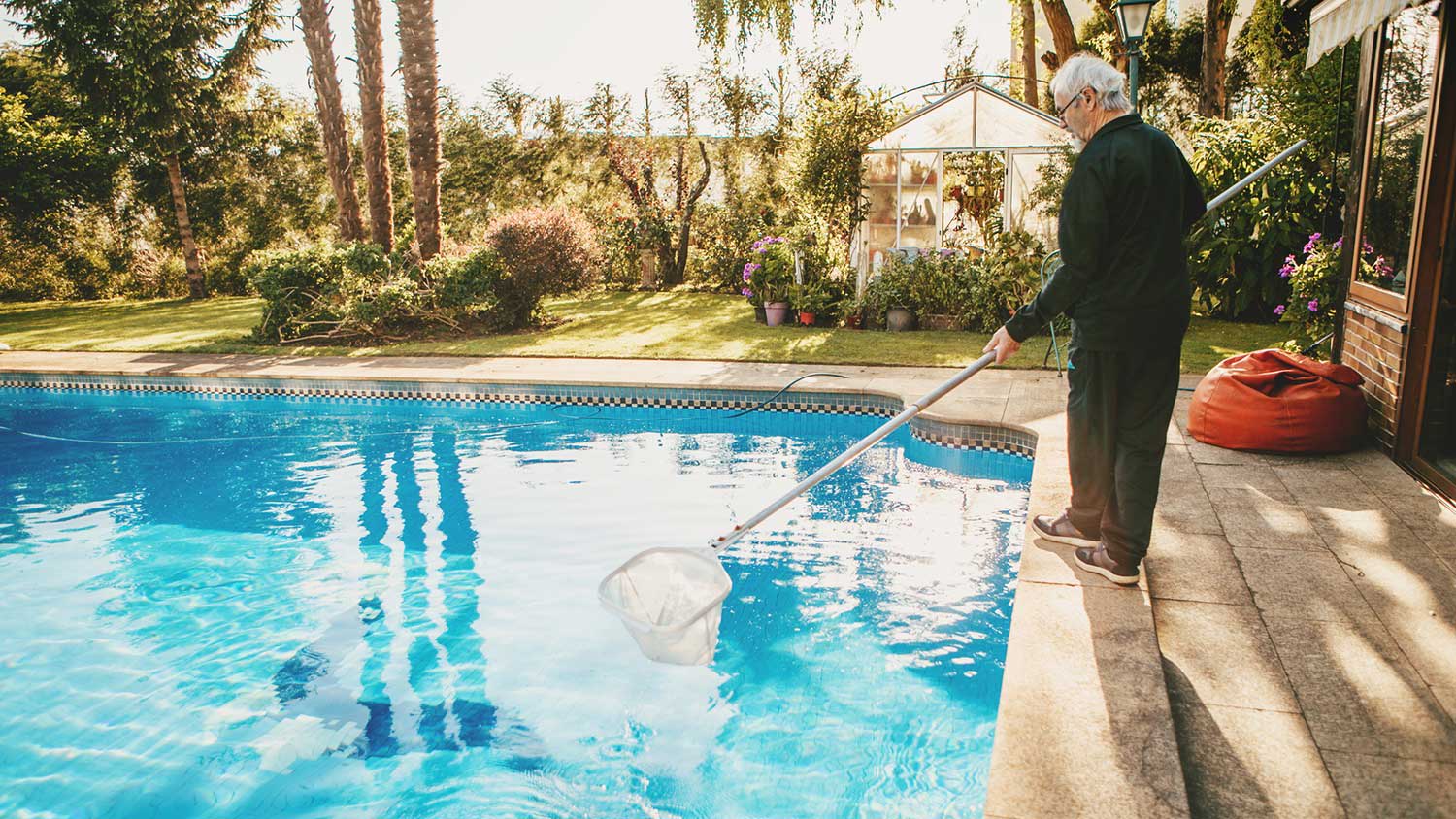
If you live in an area without very cold winters but tempted to close your pool during the cooler months, read on. We dive into the many benefits of winter service.
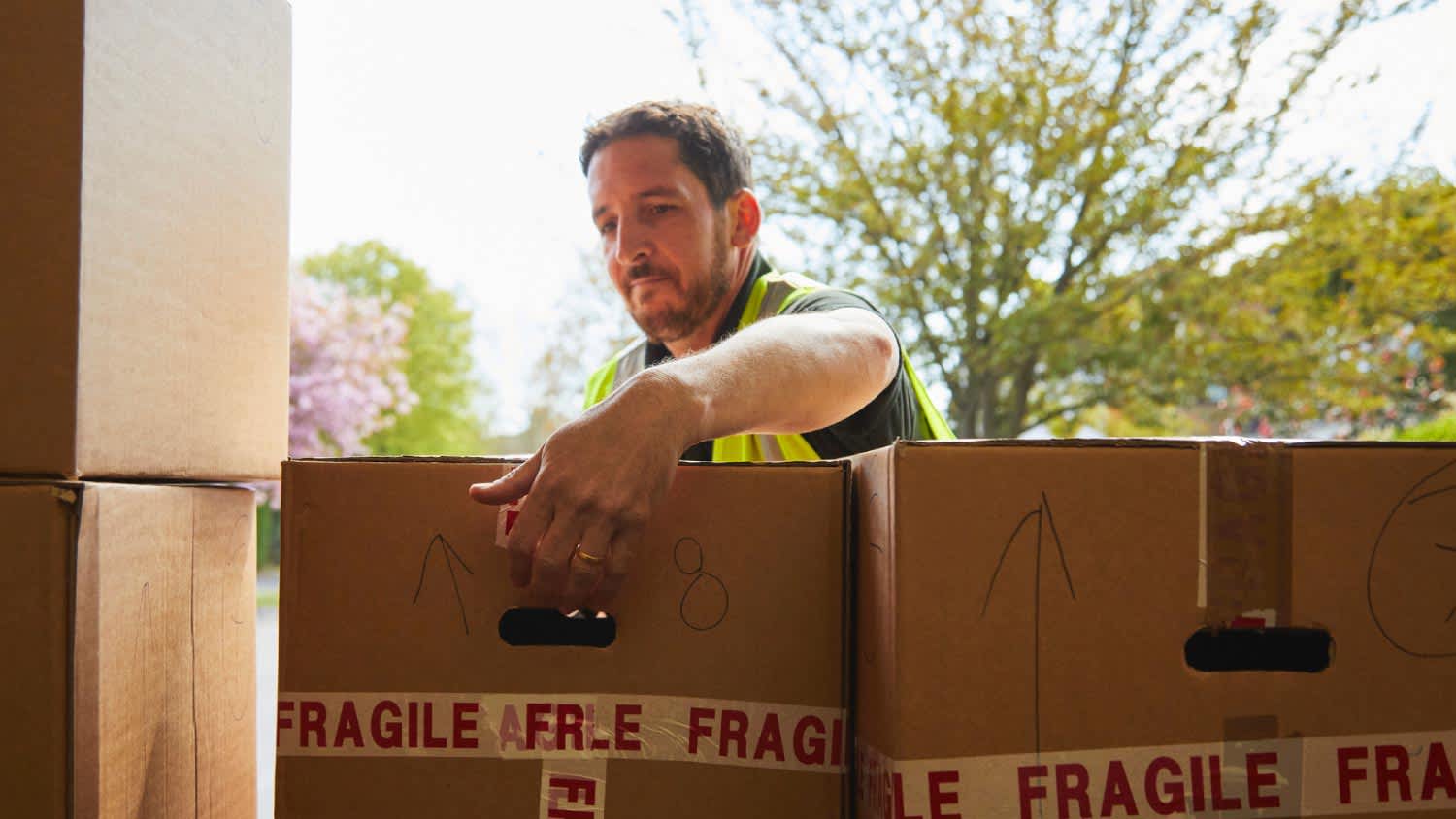
Learn about home items that are nearly impossible to move without movers, either because they are awkwardly shaped, too heavy, or require special equipment.