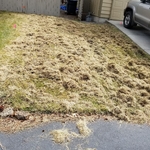
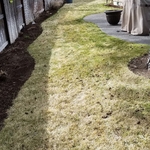
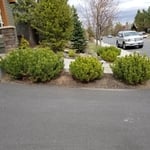
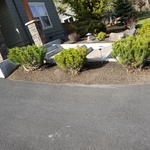
We invite you to experience a tradition of customer satisfaction that will exceed your greatest expectations. Our professionalism and quality workmanship will accurately reflect your taste and lifestyle. From conception to completion, we work with you until the job is done. We are ethical, honest, and easy to communicate with.\n\nCall us today you'll be pleased you did. Thank you\n
For nearly a decade Gold Mountain Construction has been the preferred contractor for the local community of Eugene, OR and the surrounding area. We take pride in serving every customer with the constant care and unmatched expertise their commercial and residential projects deserve, whether it be paving construction, clean outs, or fencing or landscaping. Please give us a call today, as we look forward to servicing you!
"Sanchez Construction does great work! He is meticulous with all of his work. Iâ ve had him do multiple projects around my home and have not been disappointed. He painted, fixed some dry wall, installed a baby gate, fixed multiple exterior doors/seals. He takes great pride in his work and wants his customers to be happy with the work he does. I would recommend him to anyone needing home repairs!"
T D R Customs is committed to excellence in every aspect of our business. We uphold a standard of integrity bound by fairness, honesty, and responsibility in all our jobs. We are a locally owned and operated business with more than 10 years of experience serving Lisbon, ND and surrounding areas. There is no job too big, or too small for our team. Call today and let us put our experience to work for you!
We are a locally owned and operated company that values honesty and integrity in all aspects of our business. Our major focus is on the quality our work and producing outstanding results. We are committed to creating a level of value unmatched by any of our competitors. We look forward to building lasting relationships with our clients and guarantee your satisfaction!\n
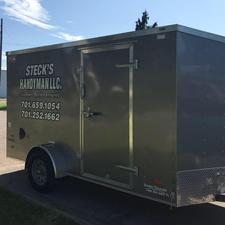
Steck's Handyman LLC is committed to excellence in every aspect of our business. We uphold a standard of integrity bound by fairness, honesty, and personal responsibility. Our distinction is the quality of service we bring to our customers. Accurate knowledge of our trade combined with ability is what makes us true professionals. Above all, we are watchful of our customers interests and make their concerns the basis of our business.\n
We take great pride in our experience, expertise, quality, and customer service that we provide to meet the consumers needs. It is our mission to provide excellent workmanship and complete customer satisfaction from start to completion of a project. In order to understand the needs and expectations of our customers, we take great care to work and communicate with every customer in a professional manner. Our reputation is based on service, safety, and quality, regardless of how large or small the job.
Welcome to Arnerson Remodeling, proudly serving North Dakota. With over 30 years of experience, owner and operator, Dean Arnerson takes great pride in his professionalism and customer satisfaction. For fast, reliable and efficient service, give us a call today. You will not be disappointed.
Im 38 and have been in the construction industry since I was 10. I've worked for Redlin Johnson for 5 years as well as Western Products for 5 year, also All New Gutter for 2 years. I wont tackle a job I cannot do and Im very honest and transparent about everything and warranty my work.
We serve North Dakota with best in class service for roofing, drywall and plaster projects. Call us so we can show you why our 25 years of experience will help you get the job done right the first time. Let us show you why most of our first time customers become long term clients!
Fire Pit Installation questions, answered by experts
Pellet stoves are safer than wood stoves in many ways. They don’t produce as many creosote deposits as wood stoves do, they create less smoke, and the flames are contained, decreasing the risk of any sparks or embers creating a house fire. Pellet stoves also burn more cleanly and efficiently than wood stoves do.
DIY smoke detectors are possible, but professional installation ensures compliance with fire codes and optimal safety.
Yes, you should seal and cap an unused chimney to protect it from damage. Sealing the structure helps prevent moisture damage, which can lead to issues like cracks, spalling, efflorescence, and damaged mortar joints. Capping the chimney is also crucial to prevent blockages, damage from invasive critters, and downdrafts, while still allowing for proper air ventilation to manage moisture. For the best results, consult a chimney professional to select the right type of chimney or flue cap for your home. It's also wise to continue with annual chimney inspections to maintain the structure's integrity.
The National Fire Protection Association (NFPA) says you can place smoke detectors on either the ceiling or the wall, depending on the setup of your room. Since smoke rises, the ceiling makes sense, but if you go with a wall mounting, the alarm should be installed high up—no less than 12 inches from the ceiling.
Yes, a hot or overheating outlet is a fire hazard and can cause a fire. An outlet becoming hot indicates an electrical problem, such as an overloaded circuit, loose connections, or a faulty component. The heat from these issues can ignite nearby flammable materials like curtains or furniture. If you notice an outlet is hot to the touch, turn off the power at the circuit breaker, unplug any connected devices, and consult a qualified electrician. If a fire does start, use a Class C fire extinguisher or baking soda to suppress it, or evacuate immediately and call the fire department.
The Ellendale, ND homeowners’ guide to fire pit installation services
From average costs to expert advice, get all the answers you need to get your job done.
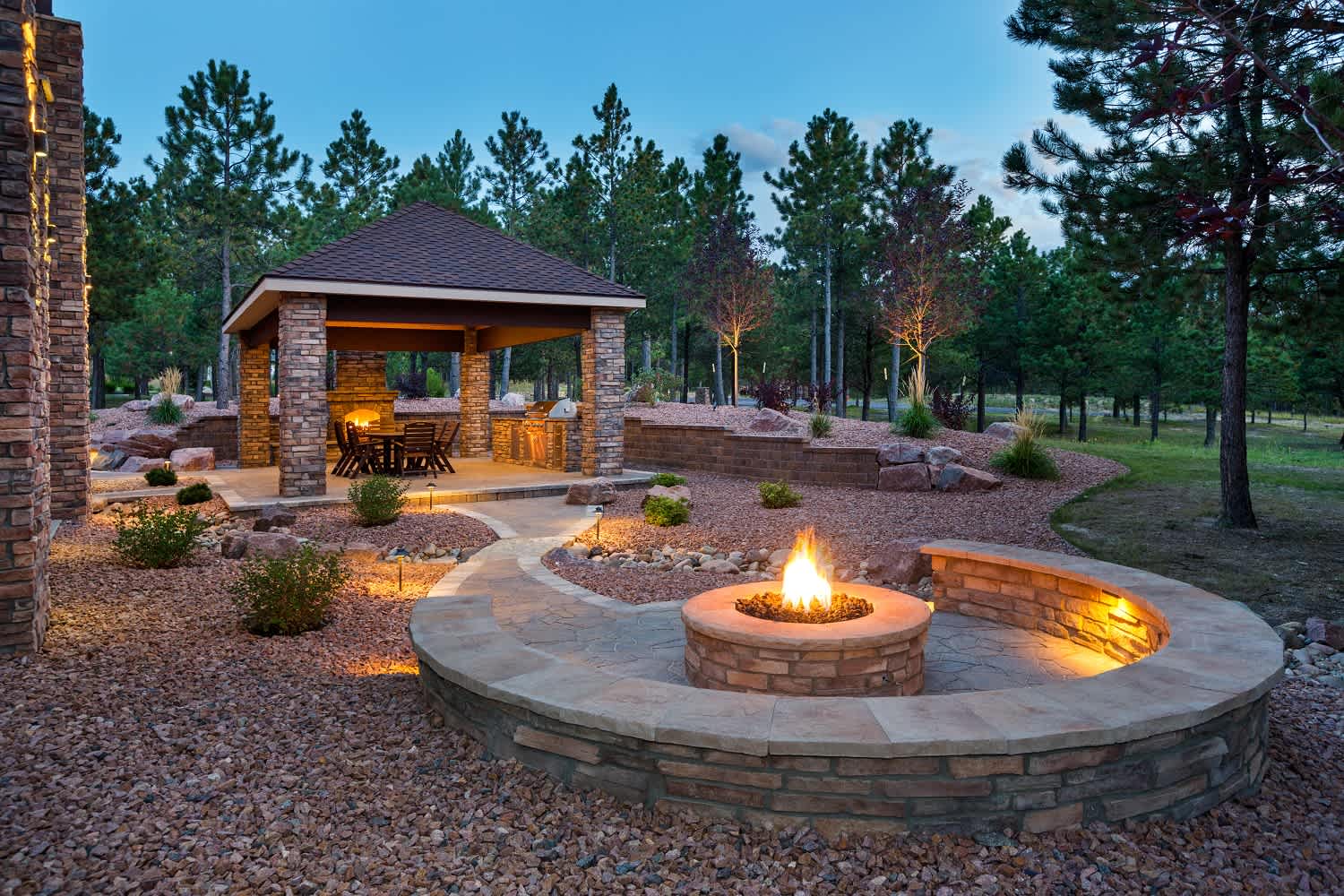
A fire pit installation costs $850 on average but can vary by size, fuel type, materials, and more. See how much you need to budget for a new fire pit.
Discover fire door cost data, including installation, materials, and tips to save. Learn what impacts fire door pricing and how to budget for your project.
Discover home fire sprinkler system costs, including installation, maintenance, and key cost factors. Learn how to budget and save on your home fire protection.
A fire pit adds attractive entertainment space to your backyard. Learn about standard fire pit dimensions and what factors contribute to fire pit size.
If you’re interested in buying a fire pit, you will likely be considering gas or wood. But what are the pros and cons of each? Find out if a gas or wood fire pit is right for you.