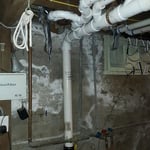
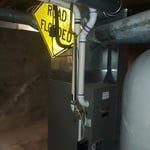
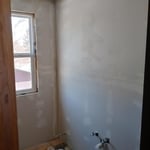
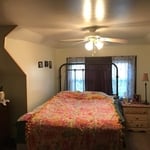
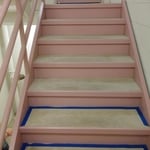
"I worked with Mike, Paxton, and Ryan as they replaced flooring in my basement Livingroom, bedroom, bathroom, 2 small hallways, and stairs with landing. They were amazing to work with - they provided ongoing updates, were sensitive to our schizoid cats, and answered questions professionally. They explained what was needed, listened to any concerns I would have, and helped us to consider next steps in addressing possible mold issues in our basement. I cannot recommend them enough or everyone at Fix it all. It was great seeing Curtis again as I considered baseboards with great recommendations. They are 80% done with the project at this time and I couldn't be more excited to see this dream come true! Thank you to Fix it all and the best group of workers I have been blessed with. Warmly, Andi"
We are a locally owned and operated company that values honesty and integrity in all aspects of our business. Our major focus is on the quality our work and producing outstanding results. We are committed to creating a level of value unmatched by any of our competitors. We look forward to building lasting relationships with our clients and guarantee your satisfaction!
\n
Welcome to Arnerson Remodeling, proudly serving North Dakota. With over 30 years of experience, owner and operator, Dean Arnerson takes great pride in his professionalism and customer satisfaction. For fast, reliable and efficient service, give us a call today. You will not be disappointed.
We serve North Dakota with best in class service for roofing, drywall and plaster projects. Call us so we can show you why our 25 years of experience will help you get the job done right the first time. Let us show you why most of our first time customers become long term clients!
We are a locally owned and operated company that values honesty and integrity, and treats your home as if it were our own. Our services include retail, builder and commercial blinds, shades and shutters. Paying close attention to the details of each project that we're involved with. We look forward to building long-term relationships with our clients and guarantee your satisfaction! Call us for your FREE home or commercial consultation.
Fire Pit Installation questions, answered by experts
A chimney liner isn’t required for an outdoor fireplace; you don’t technically need one if the masonry chimney uses the proper dimensions and is built to code. However, a chimney liner does serve as a protective coating for the flue. Adding a liner could improve performance, safety, and durability. In short, while not necessary, it wouldn’t hurt.
You can safely build a fire pit on your patio as long as you use porous, fire-resistant pavers or a fire pit mat over existing pavers. Otherwise, you’ll need to have exposed ground beneath your pit. You’ll also need to make sure the location for the fire pit is far enough away from your house and any other nearby structures.
No, you can’t completely fireproof a house. There is always a chance that a fire can break out inside or outside your home. Even if most of the home is built with fireproof materials, a long-burning fire can still cause damage. Still, fireproofing efforts can buy you additional time to evacuate and give you a better chance of salvaging your home after a fire rather than needing to rebuild entirely.
Call 911 immediately. If you have a fire extinguisher or fire blanket near the laundry room, you can attempt to extinguish the fire, but don’t open or touch the dryer. If you can’t put the fire out, evacuate yourself, your family, and your pets from the house, closing the laundry room door behind you. Turn off the electricity to your home via the outside fuse box, then wait for the fire department. After a dryer fire, have your home’s electrical system inspected to make sure there isn’t any damage.
The best way to store firewood is outdoors and away from your home, shed, or garage. Stacking wood against your house can be a fire hazard and attract unwanted pests. Store your firewood under a shelter where it's protected from rain and snow but still exposed to sunlight and open air. You can lay a tarp on top to help keep moisture out.
The Wishek, ND homeowners’ guide to fire pit installation services
From average costs to expert advice, get all the answers you need to get your job done.
A fire pit installation costs $850 on average but can vary by size, fuel type, materials, and more. See how much you need to budget for a new fire pit.
Discover fire door cost data, including installation, materials, and tips to save. Learn what impacts fire door pricing and how to budget for your project.
Discover home fire sprinkler system costs, including installation, maintenance, and key cost factors. Learn how to budget and save on your home fire protection.
A fire pit adds attractive entertainment space to your backyard. Learn about standard fire pit dimensions and what factors contribute to fire pit size.