"AHS is ok. They cover repairs of most everything under the roof of your house. The companies that contract with them are not always the best. You call AHS with the issue, they send a fax to the repair company and give you the contact info. If they don't contact you within 24 hours, you call them. Sometimes they answer, sometimes they don't. When they arrive (usually three days or so later), they service the item. if it has issues within the 90 days, you call AHS again, they are sent out with no charge. If the serviceman decides the unit is unrepairable, AHS will allow you to choose a replacement from their listing (usually not as good as what you have) they will install and remove your old item, or give you wholesale amount to buy and install your own. Prices vary on what you want covered and what you want the copay to be, plus where you live. For me it is 49.99 per month with a 75.00 time of service order. You can have more than one item serviced at the same time under the same fee. If you have a SEAR product the repair guys are great. Not that wild about the other ones they send out. But it is a big savings compared to calling someone on your own. The cost of service is only the 75.00 copay."
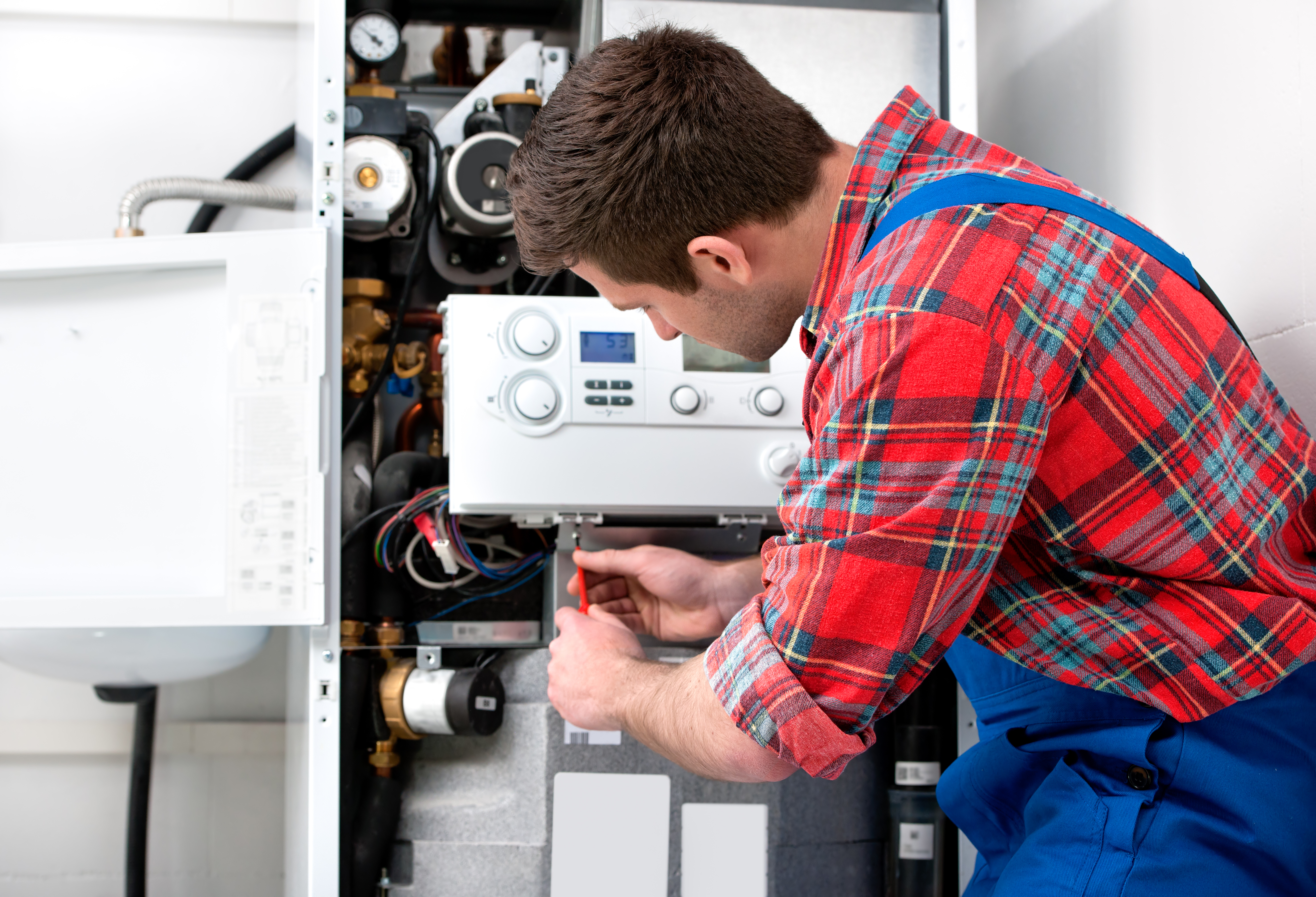
In most cases, you should hire a professional to carry out services on your HVAC system, as the components are complicated, expensive, and potentially dangerous to work with. However, there are a few things you can do on your own to keep your HVAC system in good condition, including changing your filters every three months, keeping the area around your outdoor condenser clear of debris and plant growth, making sure your or intakes aren’t blocked, and keeping an eye out for increased energy bills, strange noises, and unusual odors related to your equipment.
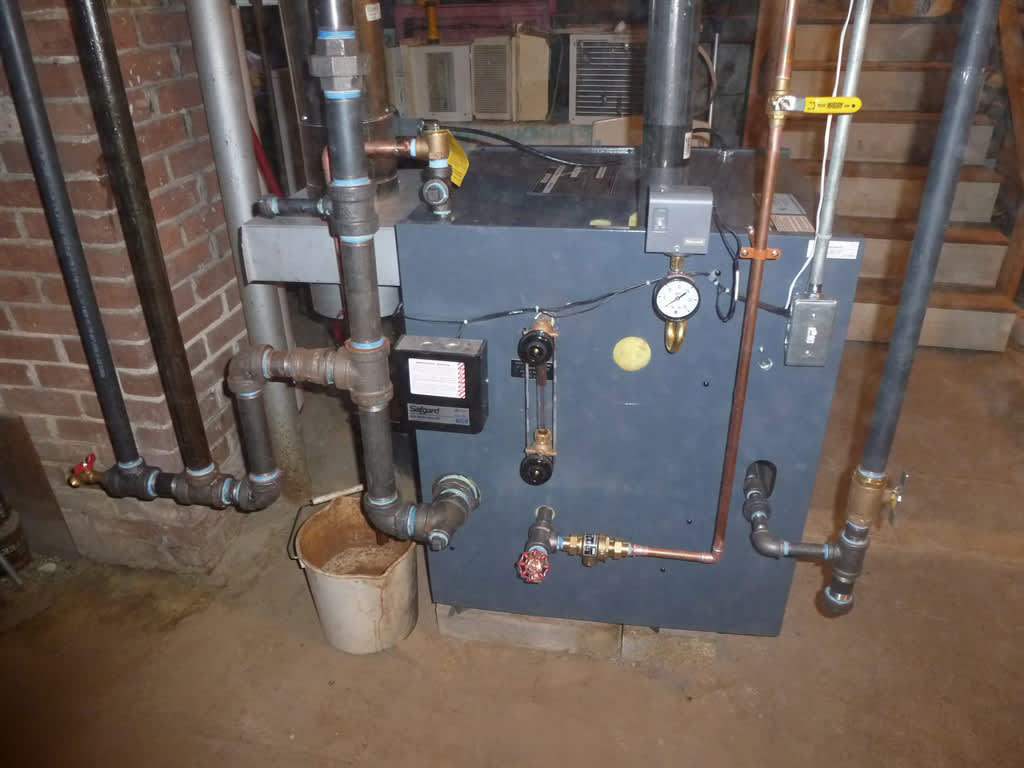
Although boilers can last 15 to 20 years when maintained properly, you may run into some common problems like oil burners and transformers malfunctioning; cracks in the heat exchanger; clogs in the heating oil pump, burner nozzles, or fuel pipes; loose wiring connections; and damaged valves. Many of these problems can be caught early on during annual maintenance services. You might also have an issue with your fuel source if you have a gas or oil boiler. Make sure your other gas appliances are working or that you have oil in your tank.
Yes, cleaning a boiler is essential for its efficient and safe operation. Over time, boilers can accumulate dirt, rust, sediment, and mineral deposits, reducing efficiency, increasing energy consumption, and causing potential breakdowns. Cleaning involves removing these deposits from various components like heat exchangers, burners, and pipes. Neglecting cleaning can also lead to corrosion and decreased life span. Regular, yearly maintenance, including cleaning, ensures optimal performance, lower energy bills, and a safer heating system. It's best to consult the boiler's manual or hire a professional technician for cleaning to ensure the job is done right.
Deciding whether to repair or replace your HVAC system largely depends on its age, the cost of repairs, and its overall performance. If the system is over a decade old and requires frequent or expensive repairs (e.g., totaling over $5,000), replacement is often the more cost-effective choice, especially if the warranty has expired. It is usually worth repairing a newer system, but if it is approaching the end of its typical 15- to 25-year lifespan, replacement might be a better long-term investment. Signs that you may need a replacement include increased humidity, higher energy bills, uneven heating or cooling, and excessive dust. Before deciding, ask your HVAC contractor to check if any parts are covered under warranty, which could save you money on repairs.
Radiators are a popular home heating choice in older homes, but they are becoming less common in new-construction homes. According to a 2022 report by Elements Visual Capitalist, only around 1.3% of new single-family homes have radiators and similar heating systems, such as baseboard heating.
While they may not be as popular as they once were, radiators today come with more energy-efficient features that can make them practical for modern homeowners.
The Cando, ND homeowners’ guide to boiler repairs
From average costs to expert advice, get all the answers you need to get your job done.
No one likes a cold shower or a frigid winter night. Regular boiler maintenance and repair will ensure your appliance stays in tip-top shape. Keep the hot water flowing year-round with these easy tips.