"AHS is ok. They cover repairs of most everything under the roof of your house. The companies that contract with them are not always the best. You call AHS with the issue, they send a fax to the repair company and give you the contact info. If they don't contact you within 24 hours, you call them. Sometimes they answer, sometimes they don't. When they arrive (usually three days or so later), they service the item. if it has issues within the 90 days, you call AHS again, they are sent out with no charge. If the serviceman decides the unit is unrepairable, AHS will allow you to choose a replacement from their listing (usually not as good as what you have) they will install and remove your old item, or give you wholesale amount to buy and install your own. Prices vary on what you want covered and what you want the copay to be, plus where you live. For me it is 49.99 per month with a 75.00 time of service order. You can have more than one item serviced at the same time under the same fee. If you have a SEAR product the repair guys are great. Not that wild about the other ones they send out. But it is a big savings compared to calling someone on your own. The cost of service is only the 75.00 copay."
If you have multiple radiators, start by bleeding a first-floor radiator that is farthest from the boiler. Work your way toward the boiler on the first floor before moving to the next floor, where you’ll again start by bleeding the radiator farthest from the boiler. Continue this pattern for radiators on each floor until they’ve all been bled.
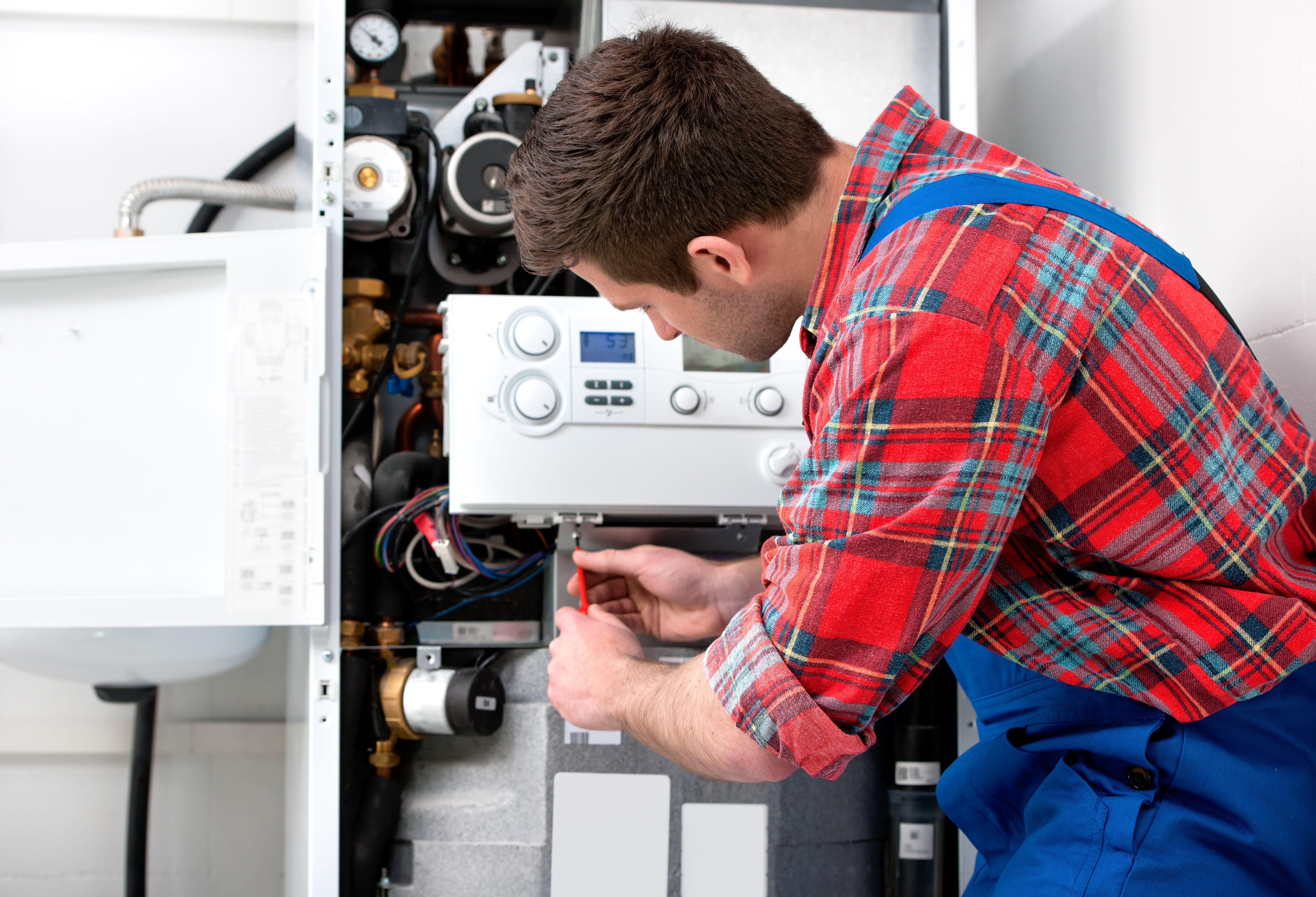
In most cases, you should hire a professional to carry out services on your HVAC system, as the components are complicated, expensive, and potentially dangerous to work with. However, there are a few things you can do on your own to keep your HVAC system in good condition, including changing your filters every three months, keeping the area around your outdoor condenser clear of debris and plant growth, making sure your or intakes aren’t blocked, and keeping an eye out for increased energy bills, strange noises, and unusual odors related to your equipment.
The cost of annual maintenance depends on the type of HVAC system you have. AC service typically costs an average of $200 but ranges from $100 to $550. If your system needs repairs, the price will vary significantly depending on what needs fixing. However, addressing the issues as they arise can prevent further damage to your unit and keep it operating efficiently for much longer.
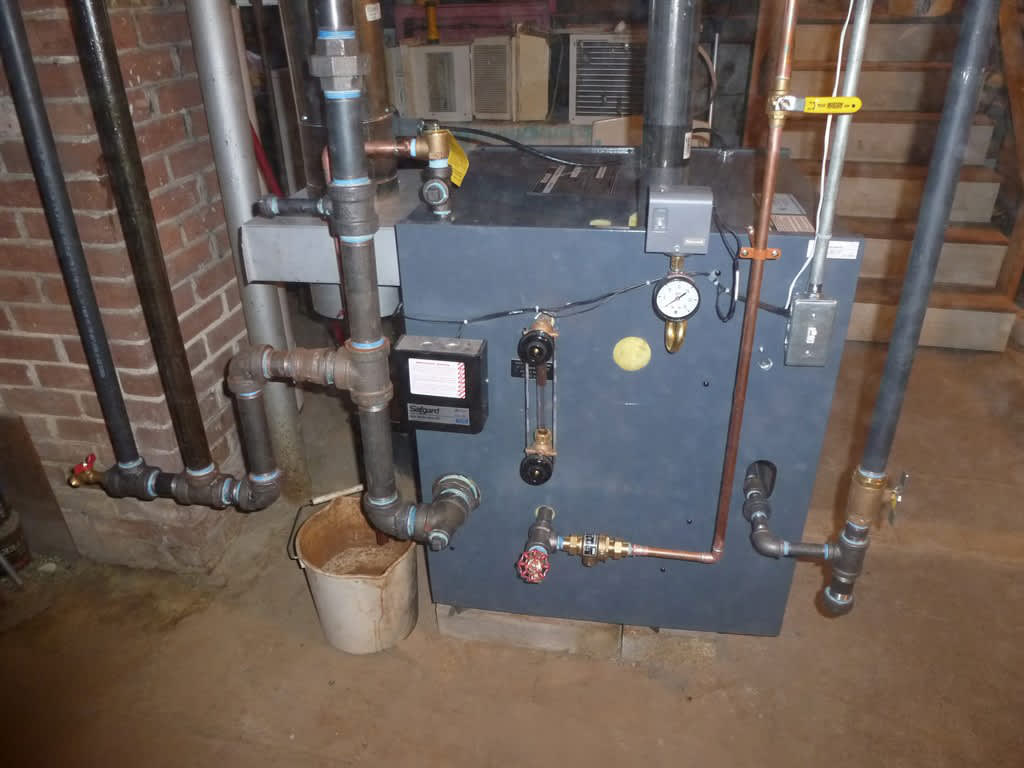
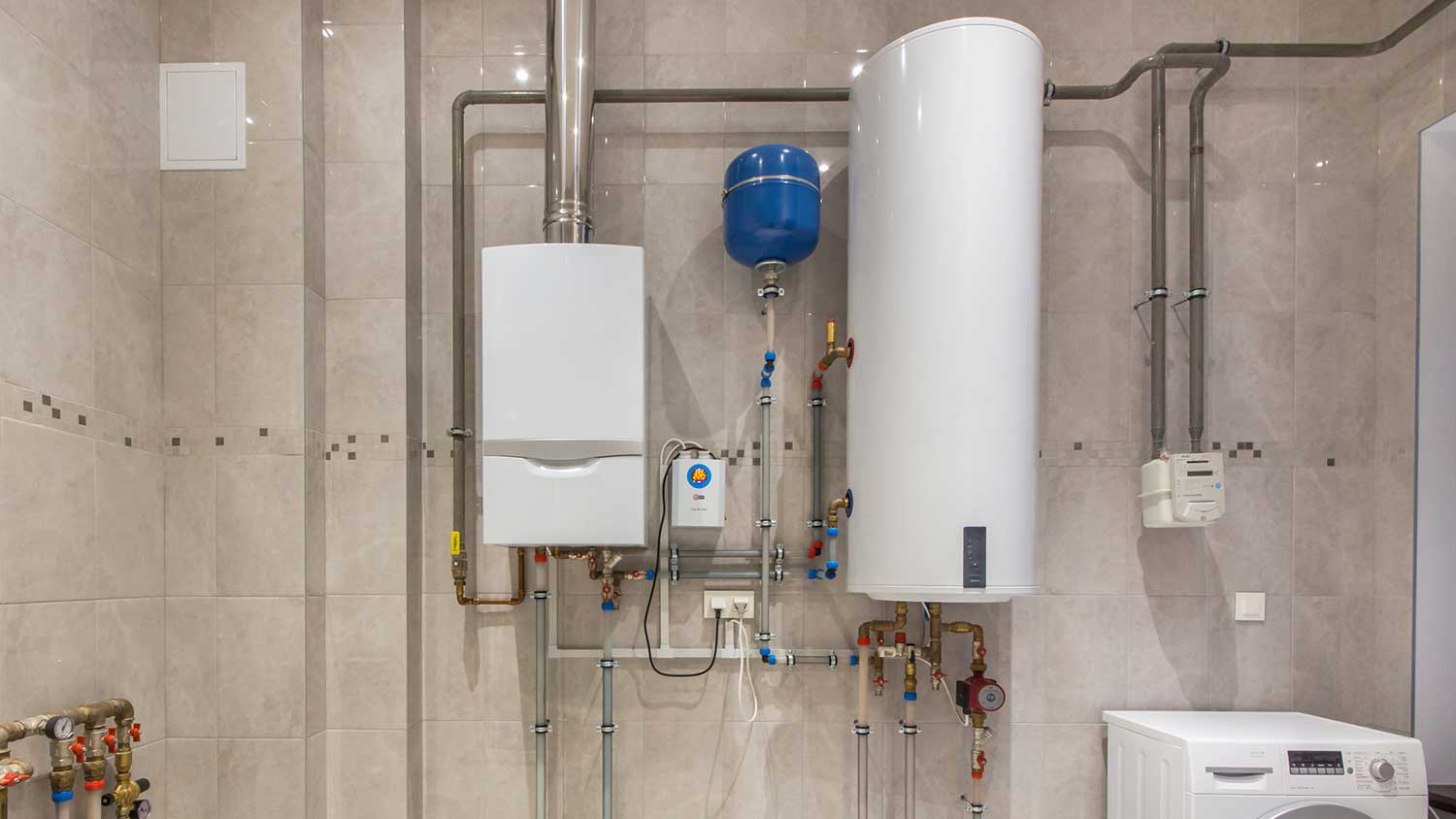
Boilers are equipped with multiple safety features to ensure safe operation. These include pressure relief valves to prevent overpressure, temperature high-limit switches to avoid overheating, and flame failure safety devices in gas boilers to cut off the gas supply if the flame goes out unexpectedly. Low water cutoffs prevent operation with insufficient water levels, and pressure gauges help monitor pressure levels. Ventilation and flue systems prevent the buildup of harmful gasses. Boilers often feature error code systems for automatic shutdown during malfunctions and gas leak detection for safety. Regular maintenance is crucial to ensure these safety features function correctly.
A home radiator works by using radiation and convection to transfer heat throughout your home. Electric radiators use metal to conduct heat and warm the air, which then rises to warm the room. Steam and hot water radiators work with a boiler and piping system to pump thermal energy throughout the home. Hot water radiators use a boiler to heat the water before circulating it to the radiator, while steam heating radiator systems convert the heated water to steam before circulating it out. When the water or steam cools, it travels back to the boiler to be heated again.
The Rolla, ND homeowners’ guide to boiler repairs
From average costs to expert advice, get all the answers you need to get your job done.
Discover the average electric boiler installation cost, key price factors, and ways to save. Get transparent, expert-backed estimates for your project.
No one likes a cold shower or a frigid winter night. Regular boiler maintenance and repair will ensure your appliance stays in tip-top shape. Keep the hot water flowing year-round with these easy tips.