




Top-rated radon detection and reduction specialists.

Get matched with top radon detection and reduction specialists in Wrightsville Beach, NC

Enter your zip and get matched with up to 5 pros

Need a pro for your radon detection and reduction project in Wrightsville Beach, NC?

Select your specific project to find the pro for you.

Find Radon detection and reduction specialists in Wrightsville Beach

Avatar for Johnson Properties and Inspections, Ltd.
Johnson Properties and Inspections, Ltd.
4.7(
36
)
Radon Gas - Testing

Serving Wrightsville Beach, NC and surrounding areas

Approved

In business since 2005

Free estimates

Offers commercial services

"I have never used a home inspector previously, but I am glad that I hired Johnson Properties and Inspections and stayed with him during the lengthy home inspection. Mr. Johnson is a very thorough and knowledgeable inspector and provided a detailed inspection report with color pictures by email within 24 hours. The radon and water testing results were also quite useful, but took longer to return since the tests have to be sent out. Although not all items had to be addressed before closing, I now have an informed idea of all items relevant to my purchase and a to do list for items that I will need to take care of in the future."
Response time7 hrs
2 neighbors recently requested a quote
Recommended by93%of homeowners
Avatar for SWAT Environmental, Inc.
SWAT Environmental, Inc.
4.3(
63
)
Radon Gas - Abatement

Serving Wrightsville Beach, NC and surrounding areas

In business since 2002

Free estimates

Credit card accepted

"I can not recommend this company highly enough. If you have ANY concerns or questions regarding radon give them a call. They will give you an honest assessment and recommendations tailored to your specific situation. Overall a great experience!"
Recommended by89%of homeowners
Environmental Service Group
New to Angi
Radon Gas - Testing

Serving Wrightsville Beach, NC and surrounding areas

In business since 2010

Free estimates

Credit card accepted

We pride our company on reliability, great communication, integrity, and quality work. We are experts in our trade and will do our best to keep you as educated as we can on your particular task or project. We look forward to earning your business! We are family owned and operated, so please let us know how our family can take care of yours! \n \n

Radon Detection and Reduction questions, answered by experts

Radon enters your home when warm air begins to rise and exits through the roof, creating a vacuum that pulls cooler air from under the foundation. Part of that air is radon, which is an invisible, odorless gas that develops naturally when radioactive particles are deep within the ground. Those particles usually come from decaying matter in soil and rocks.

While DIY testing is possible, abatement generally requires professional installation to ensure efficacy and meet safety standards.

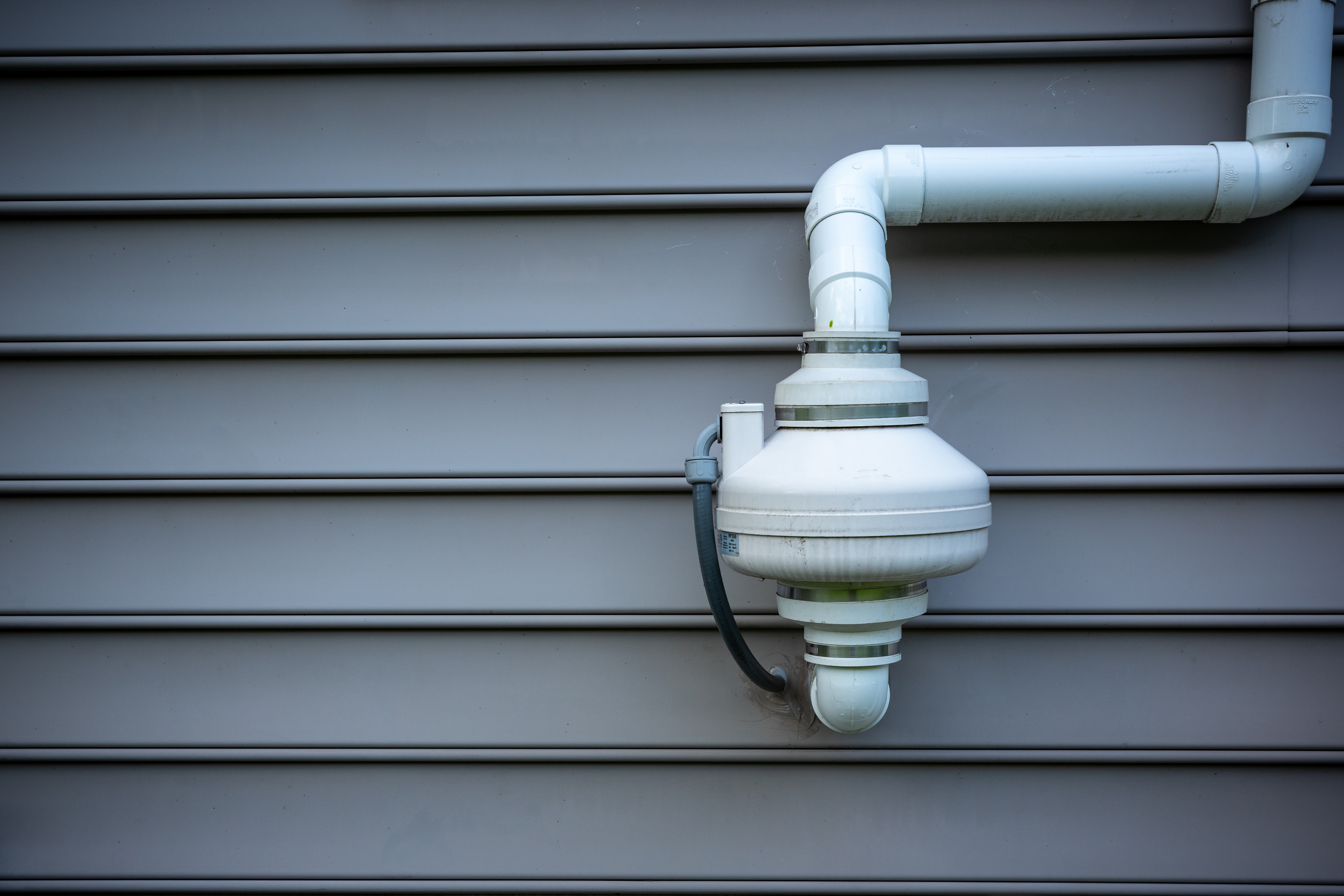
The lifespan of a radon mitigation system depends on the type of system and its maintenance. With proper care, a system can last for many decades. Passive systems tend to last longer as they have fewer components that require replacement. Active systems, which have more moving parts like fans, generally have a shorter lifespan. For instance, water filtration devices and active pressurization systems require more frequent maintenance. While the system as a whole is durable, the radon fan in an active system typically has a lifespan of 5 to 10 years and will need to be replaced. As long as the fan is working, the mitigation system should function correctly.

Keeping radon from getting into your home is much better than having to get rid of it once it's already indoors. While there may not be a way to fully prevent radon from getting into your home, there are things you can do to reduce the gas's ability to enter. 

Sealing foundation cracks and openings can help keep the gas from seeping inside. Improving air flow, such as by opening windows, can also be helpful. If you're building your home from scratch, talk to your contractor about using radon-resistant construction to keep the gas out.

You'll need to test your home for radon after installing the mitigation system, then again every two years. If radon remains elevated, contact a licensed radon professional, either the contractor who installed the system or a different one, and have them evaluate the system. They may need to make some changes to improve its effectiveness and performance.

The Wrightsville Beach, NC homeowners’ guide to radon detection and reduction services

From average costs to expert advice, get all the answers you need to get your job done.