





Top-rated excavation pros.

Best excavation pros near Snow Hill, NC

Enter your zip and get matched with up to 5 pros

Need a pro for your excavation project in Snow Hill, NC?

Select your specific project to find the pro for you.

TRUSTED BY SNOW HILL, NC HOMEOWNERS

  • Average homeowner rating star icon4.4
    Average homeowner rating
  • Verified reviews icon12
    Verified excavation services reviews

Top-Rated Excavation pros in Snow Hill - Updated Nov 2026

Avatar for Hoyt Industrial Works
Hoyt Industrial Works
5.0(
5
)
Building Site - Preparation and ClearingExcavation - Major Grading or ReslopingLandscape - Minor Grading or Resloping

Serving Snow Hill, NC and surrounding areas

Approved

In business since 2025

Free estimates

Emergency services offered

"Back in July, I had the Hoyt Industrial Works team come out for a major overgrown pond cleanup and small expansion. Chase met me on site at my convenience and within minutes he had a plan to achieve what I wanted. They brought the necessary equipment to clear, expand, and grade the pond edge back into shape. I can see and fish my pond again! HIW is coming back in December to raise the overflow drain, widen the pond dyke, and reclaim an old path down to the creek. I highly recommend this team for any of your needs! Very knowledgable and efficient."
15 neighbors recently requested a quote

A & G Concrete Services, Inc.
4.9(
7
)
Building Site - Preparation and ClearingBuilding Site - Preparation and Clearing - For BusinessExcavation - Major Grading or Resloping+2 more

Serving Snow Hill, NC and surrounding areas

Approved

In business since 2021

Free estimates

Small jobs welcome

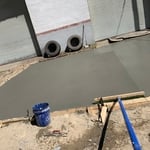
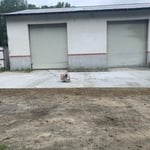
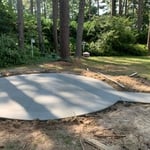
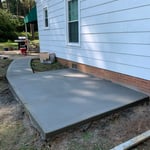
"Did a great job for us. Took out an old asphalt driveway and installed a new and expanded one. Also added two concrete walkways in the back yard and a stamped concrete walkway in the front yard. So pleased with the work they did and their work ethic and they are such nice people. Certainly would recommend them to anyone."
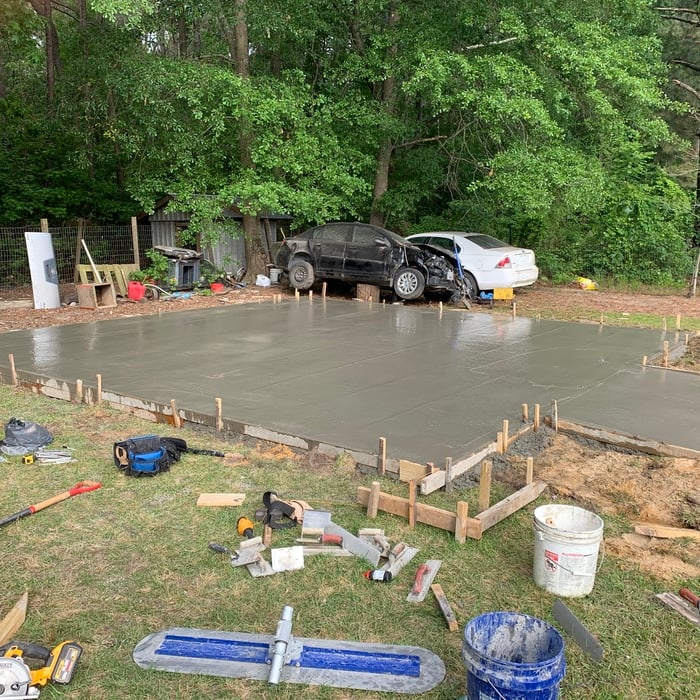
Part 1 of dumpster pad
Part 2 of extended pad
Fire pit
Hot tub pad
Shop pad before finished

+81

Response time3 days
9 neighbors recently requested a quote
Recommended by100%of homeowners
...
Showing 1-10 of 107
Excavating FAQs, answered by experts

Septic drain lines (or leach lines) are typically buried between 18 and 36 inches underground, and should be at least 6 inches below the surface. These pipes are perforated and surrounded by filtering materials like sand or gravel. Burying the lines at this depth helps minimize odors and allows bacteria and other biological processes in the soil to effectively treat the wastewater. Burying lines too close to the surface can cause issues unless the soil is very compact and stable.

Most residential basements are 8 to 10 feet deep. You can dig deeper depending on building codes, but it does become more difficult. You’ll likely need to install stronger foundation walls and additional supports to handle the increased load. Depending on the water table, you may also need a water management system. Clay soil can support a deeper foundation than sandy soil. A structural engineer will be able to tell you the maximum, feasible depth.

Yes, chipmunk holes may have two or more entrances. Chipmunks can create an entire network of burrows. Having multiple entrances makes it easier for them when trying to escape from a predator, such as a snake, or if an entrance collapses due to flooding. Each entrance leads to the nesting chamber underground, which is where the chipmunk spends the majority of its time sleeping.

Trenching and boring are two distinct methods for installing underground utilities. Trenching involves digging a channel using equipment like an excavator, trencher, backhoe, or shovel. While it is a simpler process, it causes significant disruption to the surface, landscaping, and surrounding ecosystems.

Boring, also known as directional boring, is a less invasive alternative that uses a drill to create a tunnel for utility lines without disturbing the surface. This method is more precise and is ideal for installations that need to go underneath buildings, roads, or bodies of water. Although boring is less disruptive, it is generally more expensive than trenching.

As a general rule, the protected area should be about 1½ times as wide as the canopy of the tree’s leaves. This digging measurement can vary by tree species and the age of the tree. Of course, that can be a lot of fencing for larger trees, which is why our first step is about making difficult decisions on which trees to save.

The Snow Hill, NC homeowners’ guide to excavation services

From average costs to expert advice, get all the answers you need to get your job done.