




Top-rated excavation pros.

Best excavation pros near La Grange, NC

Enter your zip and get matched with up to 5 pros

Need a pro for your excavation project in La Grange, NC?

Select your specific project to find the pro for you.

TRUSTED BY LA GRANGE, NC HOMEOWNERS

  • Average homeowner rating star icon4.4
    Average homeowner rating
  • Verified reviews icon11
    Verified excavation services reviews

Top-Rated Excavation pros in La Grange - Updated Nov 2026

Avatar for Hoyt Industrial Works
Hoyt Industrial Works
5.0(
5
)
Excavation - Major Grading or ReslopingLandscape - Minor Grading or Resloping

Serving La Grange, NC and surrounding areas

Approved

In business since 2025

Free estimates

Emergency services offered

"Back in July, I had the Hoyt Industrial Works team come out for a major overgrown pond cleanup and small expansion. Chase met me on site at my convenience and within minutes he had a plan to achieve what I wanted. They brought the necessary equipment to clear, expand, and grade the pond edge back into shape. I can see and fish my pond again! HIW is coming back in December to raise the overflow drain, widen the pond dyke, and reclaim an old path down to the creek. I highly recommend this team for any of your needs! Very knowledgable and efficient."
8 neighbors recently requested a quote
TN Earthmoving
4.4(
8
)
Building Site - Preparation and ClearingBuilding Site - Preparation and Clearing - For BusinessExcavation - Major Grading or Resloping

Serving La Grange, NC and surrounding areas

Approved

In business since 1994

Free estimates

Customers say: Quality work

"These guys did a great job. Made recommendations that actually turned out better than our original plan. We plan on using these guys in the future again."
Response time2 days
3 neighbors recently requested a quote

Recommended by100%of homeowners
A & G Concrete Services, Inc.
4.9(
7
)
Building Site - Preparation and ClearingBuilding Site - Preparation and Clearing - For BusinessExcavation - Major Grading or Resloping+2 more

Serving La Grange, NC and surrounding areas

Approved

In business since 2021

Free estimates

Small jobs welcome

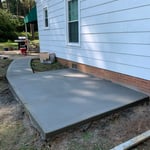
"They extended our concrete patio. Fast reply, on site quote, and provided good recommendations on the job to be done. Excellent communication, they were on time, and their job was very professional. Great value and fair pricing. Jason and his team were fantastic."
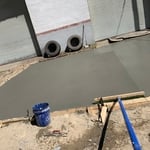
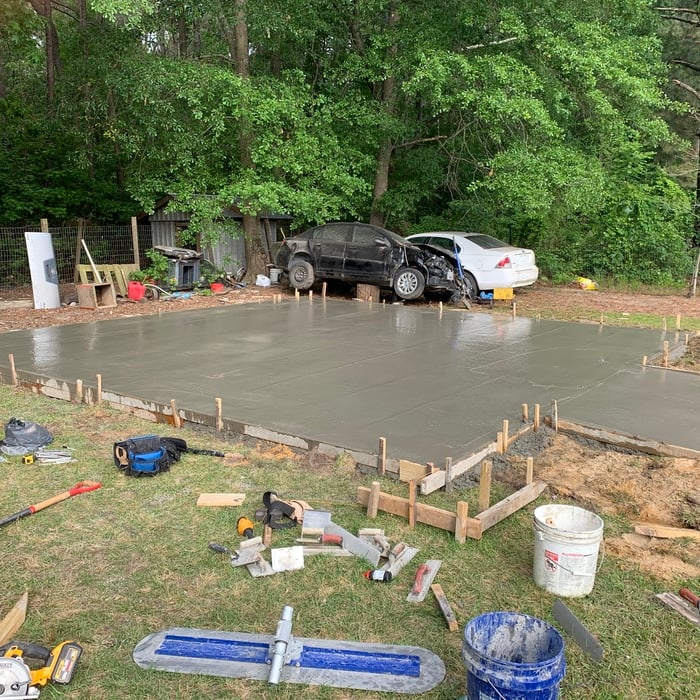
Part 1 of dumpster pad
Part 2 of extended pad
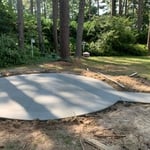
Fire pit
Hot tub pad
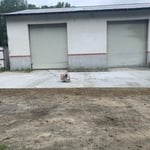
Shop pad before finished

+81

Response time3 days
9 neighbors recently requested a quote
Recommended by100%of homeowners
...
Showing 1-10 of 111
Excavating FAQs, answered by experts

Trenches are typically 12 to 24 inches deep and 8 inches wide. However, the required depth depends on the specific project and local ordinances. For example, a French drain may need to be 18 inches deep, while a water pipe might require a depth of 24 inches and a drainage pipe 36 inches. Your city or county may have specific regulations, so it's wise to consult with an excavation professional to determine the correct depth for your project.

Underground downspouts refer to the sections of downspout extensions that lead away from your home and gutter system. While they cost more than traditional extensions, they can provide several benefits, such as less frequent damage and no need to move them for lawn care tasks. Whether they're worth it or not depends on your budget at installation time and how much convenience they'll add to your situation.

No, you typically cannot use metal detectors to find your sewer line. Most sewer lines are made of non-metallic materials such as PVC, clay, or cast iron, which are not detectable by standard metal detectors. Metal detectors are designed to locate metallic objects, so they won't be effective for identifying the path of a non-metallic sewer line. To locate your sewer line accurately, it's best to use other methods.

In most areas, you will need a permit for excavation work, even for projects that only involve grading or yard leveling. Permit requirements depend on your local government and the scope of the project, but they are especially common for significant digging or work that could affect utilities or public property. These permits help protect the local topography and prevent drainage issues. An experienced excavation company will typically know whether permits are needed and can often handle the process of pulling and closing them for you. You can also verify permit requirements by contacting your local building department and describing your project.

The best type of soil to build on is a mixture of sand and clay, known as loam soil. Loam soil has the best combination of these soil types to build a foundation on. The clay particles help with water retention, so it won’t erode like sandy soil might, and the sandy particles help with drainage, so you won’t see unsafe soil expansion or have an increased risk of leaks from water sitting against your foundation.

The La Grange, NC homeowners’ guide to excavation services

From average costs to expert advice, get all the answers you need to get your job done.