


Top-rated radon detection and reduction specialists.

Get matched with top radon detection and reduction specialists in Simpson, NC

Enter your zip and get matched with up to 5 pros

Need a pro for your radon detection and reduction project in Simpson, NC?

Select your specific project to find the pro for you.

Find Radon detection and reduction specialists in Simpson

Avatar for East Carolina Restoration Services, LLC
East Carolina Restoration Services, LLC
4.9(
10
)

Serving Simpson, NC and surrounding areas

Approved

In business since 2006

Free estimates

Emergency services offered

"When you experience this type of loss, all you need is the company you hire to be competent and complete. That is what we got with East Carolina Restoration Services. They did the work, respected our home and worked with the insurance company to make sure everything was covered so that we could get back to normal."
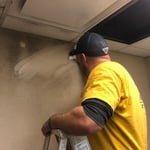
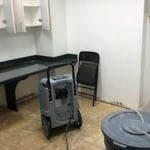
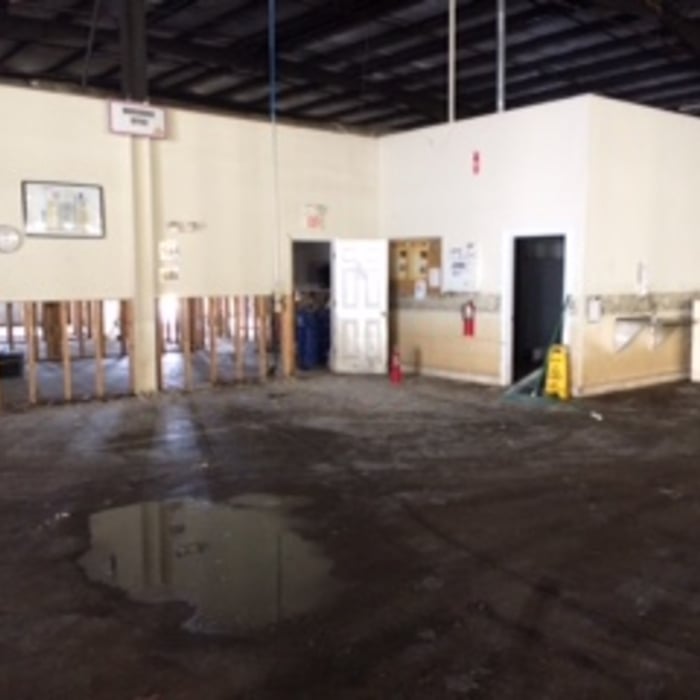
Additional Photos
Additional Photos
Additional Photos
Additional Photos
Additional Photos

+11

Response time1 day
Response rate100%
5 neighbors recently requested a quote
Avatar for SWAT Environmental, Inc.
SWAT Environmental, Inc.
4.3(
63
)

Serving Simpson, NC and surrounding areas

In business since 2002

Free estimates

Credit card accepted

"I can not recommend this company highly enough. If you have ANY concerns or questions regarding radon give them a call. They will give you an honest assessment and recommendations tailored to your specific situation. Overall a great experience!"
Recommended by89%of homeowners
Radon Detection and Reduction questions, answered by experts

No level of radon is technically safe, but since it is naturally present everywhere, it is impossible to avoid entirely. The average radon level in homes across the United States is 1.3 picocuries per liter (pCi/L). The Environmental Protection Agency (EPA) recommends taking action to reduce radon levels if your home's test results are between 2 and 4 pCi/L or higher.

The natural breakdown of uranium in soil, rock, and water can cause radon to appear in a home. The gas seeps into homes through cracks in foundations, walls, or floors, as well as through gaps around pipes or construction joints. Radon levels are influenced by soil composition, building materials, and ventilation. Poorly sealed or airtight homes can trap radon, allowing it to accumulate.

Mitigation reduces radon levels, protecting your health and complying with safety standards.

Radon is present almost everywhere but, like sunlight, the concentration levels and how often you are exposed to it have a large part to play in just how dangerous it is. There are levels of radon that are acceptable inside a house, but above a certain limit, radon becomes a serious radioactive hazard that is a known cause of lung cancer. In fact, radon exposure is the number two leading cause of lung cancer (after smoking).

Your radon fan needs to operate 24/7 to be effective. The only time the fan isn't operating is during its replacement. Radon levels in the home can increase within hours if the fan stops working or something obstructs the stack vent. Fortunately, radon systems require no downtime maintenance between fan changes.

The Simpson, NC homeowners’ guide to radon detection and reduction services

From average costs to expert advice, get all the answers you need to get your job done.