





Top-rated arborists.

Get matched with top arborists in Rose Hill, NC

Enter your zip and get matched with up to 5 pros

Need a pro for your arboricultural service project in Rose Hill, NC?

Select your specific project to find the pro for you.

TRUSTED BY ROSE HILL, NC HOMEOWNERS

  • Average homeowner rating star icon4.6
    Average homeowner rating
  • Verified reviews icon80
    Verified arboricultural services reviews

Find Arborists in Rose Hill

Avatar for Alex's Lawn Care & Landscaping
Alex's Lawn Care & Landscaping
4.9(
15
)
Tree RemovalTree Trimming

Serving Rose Hill, NC and surrounding areas

Approved

In business since 2021

Free estimates

Customers say: Quick response

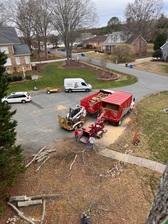
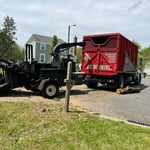
"They showed up,gave me a quote , I agreed with him and they went to work, they trimmed a tree for me then they cut on down. They were very polite and very respectful. They did a great job, cleaned up all debris and left . Really appreciated the work they did. T"
6 neighbors recently requested a quote
Recommended by20%of homeowners
SydNature Services LLC
New to Angi
Tree Trimming

Serving Rose Hill, NC and surrounding areas

Approved

Hi, I’m Gerald, a dependable and hardworking professional who takes pride in providing quality service and treating every customer’s home with care and respect. I have hands-on experience with moving, furniture handling, plumbing assistance, maintenance, material handling, and other residential and commercial work.\n\nWhen you hire me, you can expect professionalism, attention to detail, safe work practices, and a commitment to getting the job done right. I understand that inviting someone into your home requires trust, and I work hard to earn that trust on every job.\n\nMy goal is simple: provide dependable service, take care of your property, and leave every customer satisfied with the work.

DuraTrash
New to Angi
Tree RemovalTree Stump - RemoveTree Trimming

Serving Rose Hill, NC and surrounding areas

Approved

I’m a dedicated and mission-driven professional with a background in military logistics, retail operations, and air cargo freight handling. My career has taught me the value of discipline, adaptability, and teamwork—skills I bring to every role I take on. Whether managing supply inventory, supporting customers on the sales floor, or coordinating shipments under tight deadlines, I take pride in staying organized, dependable, and focused on results.\n \nI’m known for being approachable and solution-oriented, the kind of person who keeps calm under pressure and leads by example. I enjoy learning new systems, improving processes, and building strong working relationships with my team.

1 neighbors recently requested a quote
...
Showing 1-10 of 88
Arborists questions, answered by experts

Yes, burning wood with Dutch elm disease is a safer way to dispose of it than, say, tossing it in with the rest of your yard waste, which could potentially allow it to spread to healthy trees. But it’s always a good idea to check with your local government to make sure you’re complying with any ordinances about removing diseased trees as well as burning brush piles.

If executed correctly your tree should survive after being transplanted to a new spot. However, effective transplanting requires six months, careful root pruning, safe transport to the new location, and replanting in prime soil conditions. You’ll also need an appropriately sized root ball for a complete tree transplant. A good rule of thumb is that, for every inch in diameter, your tree’s root ball needs to be around 11 inches. So a tree with a diameter of six inches needs a root ball of approximately 66 inches.

It depends. Smaller, younger trees take longer to mature, but they're more resilient, their roots don't get as damaged during transplanting, and they recover faster. Plus, they're much more affordable to plant, and it's possible to DIY the planting. 

On the other hand, mature trees produce fruit faster and provide more shade and privacy immediately. Ideally, a small or medium tree is the better choice if you can wait a few years for it to mature. But if you need immediate maturity, a larger tree is the only option.

Yes, it’s okay to trim low branches on a tree, also known as limbing up or raising the crown. Essentially, you’ll trim the lower third of the tree (trunk) and leave the upper two-thirds of the tree (crown). Arborists recommend trimming 20% of a tree’s leaves per season for two to three seasons. Trimming low branches allows light to flow through the tree, increasing circulation and making the tree stronger and healthier.

A tree growing close to a house can pose several risks, but removal isn't always the only or best solution. Potential problems include roots growing into the foundation and causing structural cracks, branches damaging the roof or promoting moss growth, and debris clogging gutters, which can lead to water damage. Trees can also provide access for pests and encourage mold. However, a small, healthy tree may not be a problem, and for larger, established trees, strategic trimming can be a cheaper and more beneficial alternative to removal. It is generally recommended to take action for trees within 10 to 20 feet of your home, especially if they are unhealthy or encroaching. Your best bet is to consult a professional arborist who can assess the specific situation and provide expert advice.

The Rose Hill, NC homeowners’ guide to arboricultural services

From average costs to expert advice, get all the answers you need to get your job done.