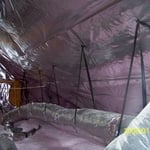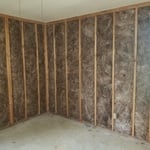



Top-rated drywall insulation pros.

Best drywall insulation pros near Rocky Point, NC

Enter your zip and get matched with up to 5 pros

Need a pro for your drywall insulation project in Rocky Point, NC?

Select your specific project to find the pro for you.

TRUSTED BY ROCKY POINT, NC HOMEOWNERS

  • Average homeowner rating star icon4.4
    Average homeowner rating
  • Verified reviews icon241
    Verified drywall insulation services reviews

Top-Rated Drywall insulation pros in Rocky Point - Updated Nov 2026

Avatar for Carolina Energy Concepts, LLC
Carolina Energy Concepts, LLC
4.7(
43
)
Injection Insulation - Install

Serving Rocky Point, NC and surrounding areas

In business since 2011

Free estimates

Emergency services offered

"My family and I have been living in an RV for over a year now, due to hurricane Florence. It has been a nightmare dealing with shady, lazy and difficult tradesmen but doing business with Mitch has been the easiest thing in this whole process. I called him on a Friday to insulate my entire home and he was completely done by the following Tuesday, before lunch time. He s extremely friendly and an excellent communicator. He kept me in the loop the entire time and showed up when he said he was going to. He does quick work but he is very proficient and he actually cleaned up after himself, which seems to be completely unheard of. We called around to multiple businesses for spray insulation and Mitch is by far the BEST price you will find out there. He even gave me a really good discount because I think he s just a nice guy. I highly recommend Mitch. He will make your life easier in regards to upgrading your home."
Foam
Spray Foam
Foam
spray foam
spray foam

+16

Response time8 hrs
Recommended by97%of homeowners
Avatar for Bachert Builds
Bachert Builds
4.5(
66
)
Blown-In Insulation - Install or UpgradeInjection Insulation - InstallInsulation - Install or Upgrade

Serving Rocky Point, NC and surrounding areas

In business since 2001

Free estimates

Emergency services offered

"Chester did a remodel on our master bathroom. The results were excellent. Chester helped with the design & planning, making recommendations of things that would work & highlighting things to stay away from. He was able to suggest a number of local suppliers to visit to get ideas and once we selected our choices he priced everything out and advised us on items that we could look at to adjust the final price without sacrificing quality or the design. Chester was accurate with his estimate vs final price & schedule; he also freely advised me on many things around the house that he was not working on. There was a minor problem at the end of the project and Chester was very accommodating in fixing it. Furthermore, Chester is very personable and a pleasure to deal with. Should we undertake anymore projects in the future, we will certainly use Chester. Therefore, I highly recommend Chester Bachert for your project.  
"
Additional Photos
Additional Photos
Additional Photos
Additional Photos
Additional Photos

+14

Recommended by87%of homeowners
Showing 1-10 of 37
Drywall Insulation FAQs, answered by experts

You can technically just paint over hairline cracks in plaster since these cracks are often harmless, but this will mostly be a waste of paint. Paint will only hide the hairline crack for a few months before it shows up again. The best solution is to repair the crack with flexible filler or joint compound before repainting.

Many homeowners choose to install tongue and groove over drywall. The great thing about this type of ceiling is that it hides imperfections. If your drywall is a little bit wonky or has some minor damage, the tongue and groove planks should cover it and give it an even appearance. Installation is simplest if you install battens over the existing framing before installing your tongue and groove planks.

Although they have similar applications, spackle and joint compound are not the same. Their primary differences lie in their composition, consistency, and ideal use cases.

Spackle is composed of gypsum and binding agents, making it thicker than joint compound. It dries quickly and is easy to sand, which makes it ideal for small wall repair projects like filling nail holes or patching minor damage.

Joint compound, also known as drywall mud, consists of limestone and gypsum. It is primarily used for large-scale projects, such as taping and finishing the seams on newly installed drywall. It tends to shrink more than spackle and can be more difficult to spread.

While both products can be used to fill small depressions and cracks, spackle cannot replace joint compound for taping and mudding new drywall. Conversely, you can often use joint compound for small patching jobs typically done with spackle.

Drywall can be toxic to the environment and to humans in some cases. As drywall breaks down in a landfill and comes in contact with other organic chemicals, it can create hydrogen sulfide gas or leach into the groundwater. Additionally, the CDC recommends methods for controlling the inhalation of drywall dust when handled. While the common ingredients of drywall—gypsum, silica, and mica—are naturally occurring, they can cause irritation in some humans.

While textured walls can elevate a space in many ways, there are a couple of downsides to consider. Namely, they’re hard to clean, and some textures fall out of fashion quickly. Make sure to consider all your options to find one you truly love before diving in. 

The Rocky Point, NC homeowners’ guide to drywall insulation services

From average costs to expert advice, get all the answers you need to get your job done.