







Top-rated excavation pros.

Best excavation pros near Chesterfield, SC

Enter your zip and get matched with up to 5 pros

Need a pro for your excavation project in Chesterfield, SC?

Select your specific project to find the pro for you.

Top-Rated Excavation pros in Chesterfield - Updated Nov 2026

Avatar for Plyler and sons Pineneedles LLC
Plyler and sons Pineneedles LLC
New to Angi
Landscape - Minor Grading or Resloping

Serving Chesterfield, SC and surrounding areas

Approved

Free estimates

Emergency services offered

Small jobs welcome

We have been in the business for over 20 years doing Pinestraw and bush trimming. \n\nWe are hard working, and always take pride in our work. \n\nWe mow grass, do Pinestraw, mulch rock or whatever your preferred method is and try to be competitive on prices as well.

5 neighbors recently requested a quote
Avatar for Brown Dog Land Management
Brown Dog Land Management
New to Angi
Building Site - Preparation and ClearingExcavation - Major Grading or Resloping

Serving Chesterfield, SC and surrounding areas

Approved

Free estimates

Emergency services offered

Credit card accepted

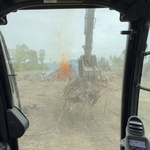
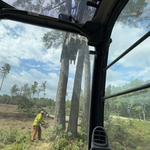
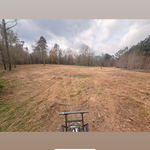
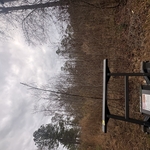
My name is Jake Clyburn.\n\n At Brown Dog Land Management, we specialize in comprehensive land management services. Our owner operated team is dedicated to ensuring your property is handled with care and expert precision throughout each stage of the project.\n\nForestry mulching \nLand clearing \nGrading \n

Orangeburg Mulching
Orangeburg Mulching
Orangeburg Mulching
1 neighbors recently requested a quote
Rays'D Right
New to Angi
Landscape - Minor Grading or Resloping

Serving Chesterfield, SC and surrounding areas

Approved

Free estimates

Emergency services offered

Small jobs welcome

RAYS’D RIGHT Landscaping provides clean, dependable service with professional results. Based in Mineral Springs, we serve Waxhaw, Weddington, Indian Trail, Monroe, Ballantyne, and Charlotte. Services include lawn care, core aeration and seeding, mulch, pine straw, hedge trimming, sod installs, bed makeovers, pressure washing, and seasonal cleanups. Fair pricing, clear communication, and work done the right way.

...
Showing 1-10 of 65
Excavating FAQs, answered by experts

Hardscaping often requires preparation of the ground in the area where the feature is being installed. This can include digging, compacting, and leveling the soil, ensuring adequate drainage, and removing any existing plants. The extent of preparation needed will depend on the type and size of the hardscaping feature being installed.

Consultation with the local government helps identify necessary permits, avoid project delays or legal issues, and protect project integrity.

There are several methods to hollow out a tree stump, and the best one depends on your tools, experience, and priorities. Common methods include using a chisel and hammer, a chainsaw, or burning.

  • Chisel and Hammer: This is often considered the easiest approach for those with limited tools or experience, though it is the most time-consuming.

  • Chainsaw: Using a chainsaw is the fastest method, but it comes with significant safety risks, especially for inexperienced users.

  • Burning: This can be an effective method, but it is not recommended unless you can first drill holes into the stump. Without holes, the stump will be difficult to light and may not burn completely through.

A power drill with at least a ⅜-inch diameter bit can make the job quicker and easier, regardless of the primary method. While you can use a chisel or chainsaw without a drill, it will require more time and effort. Always wear protective goggles and thick gloves, as splinters are an inevitable risk.

Tree experts don’t advise against digging through tree roots, but instead encourage caution and consultation with a local arborist to make sure you don’t damage the tree’s structure or interrupt its water or nutrient intake. An arborist can recommend specific practices when digging and help prune the roots or dig a trench for utilities with a tool that can remove soil without touching the tree’s roots.

Skunk digging looks like a series of small, cone-shaped holes on a lawn or around the perimeter of a home, porch, deck, or shed. The holes that skunks dig when searching for grubs tend to be no more than four inches in diameter and may be up to four inches deep.

The Chesterfield, SC homeowners’ guide to excavation services

From average costs to expert advice, get all the answers you need to get your job done.