






Top-rated weed maintenance pros.

Get matched with top weed maintenance pros in Richlands, NC

Enter your zip and get matched with up to 5 pros

Need a pro for your weed maintenance project in Richlands, NC?

Select your specific project to find the pro for you.

TRUSTED BY RICHLANDS, NC HOMEOWNERS

  • Average homeowner rating star icon4.5
    Average homeowner rating
  • Verified reviews icon132
    Verified weed maintenance services reviews

Find Weed maintenance pros in Richlands

No results for Weed maintenance pro in

Try adjusting your search criteria.
Weed Services questions, answered by experts

The best time to fight crabgrass with pre-emergent herbicide is when forsythias tend to bloom. In the mid-Atlantic region, this is usually between April and May. Even if you're late to apply the herbicide, it’s effective as long as the crabgrass plant has fewer than five leaves.

If you spray a DIY vinegar solution that contains high salt, it can disrupt the soil's structure and make it difficult for plants to grow. That's why it's vital to avoid spraying vinegar solution on areas where you are trying to grow plants and flowers. When using a mix of vinegar and soap, some say you can plant a few days after the vinegar dries. 

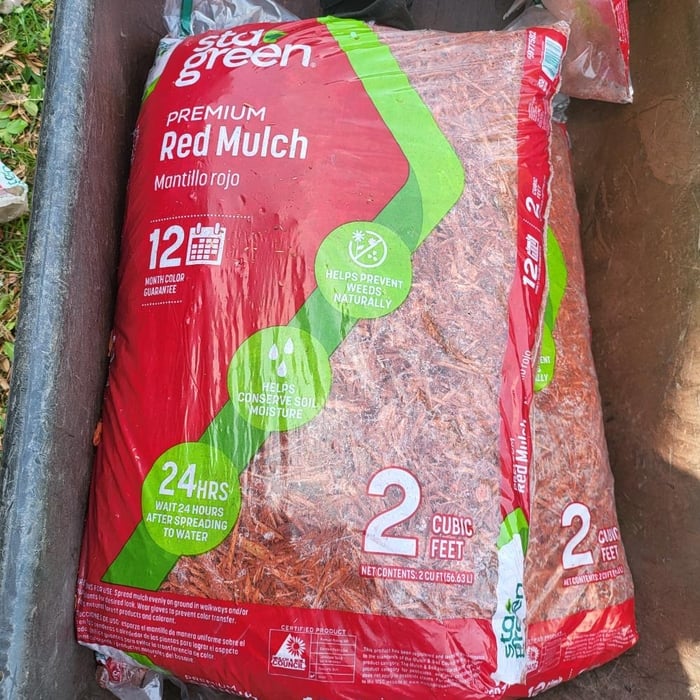
You should add 1 to 4 inches of mulch, depending on your garden type and needs. Keep in mind that no amount of mulch can completely prevent weeds, but a heavier coverage (closer to 4 inches) can suppress weeds enough that you are only seeing them sprout every few weeks. Finer mulch prevents weeds more effectively than large mulch, so if you’re using mulched leaves or shredded bark, 1 to 2 inches will likely suffice, while 3 to 4 inches is best for larger mulch, like bark chips or straw.

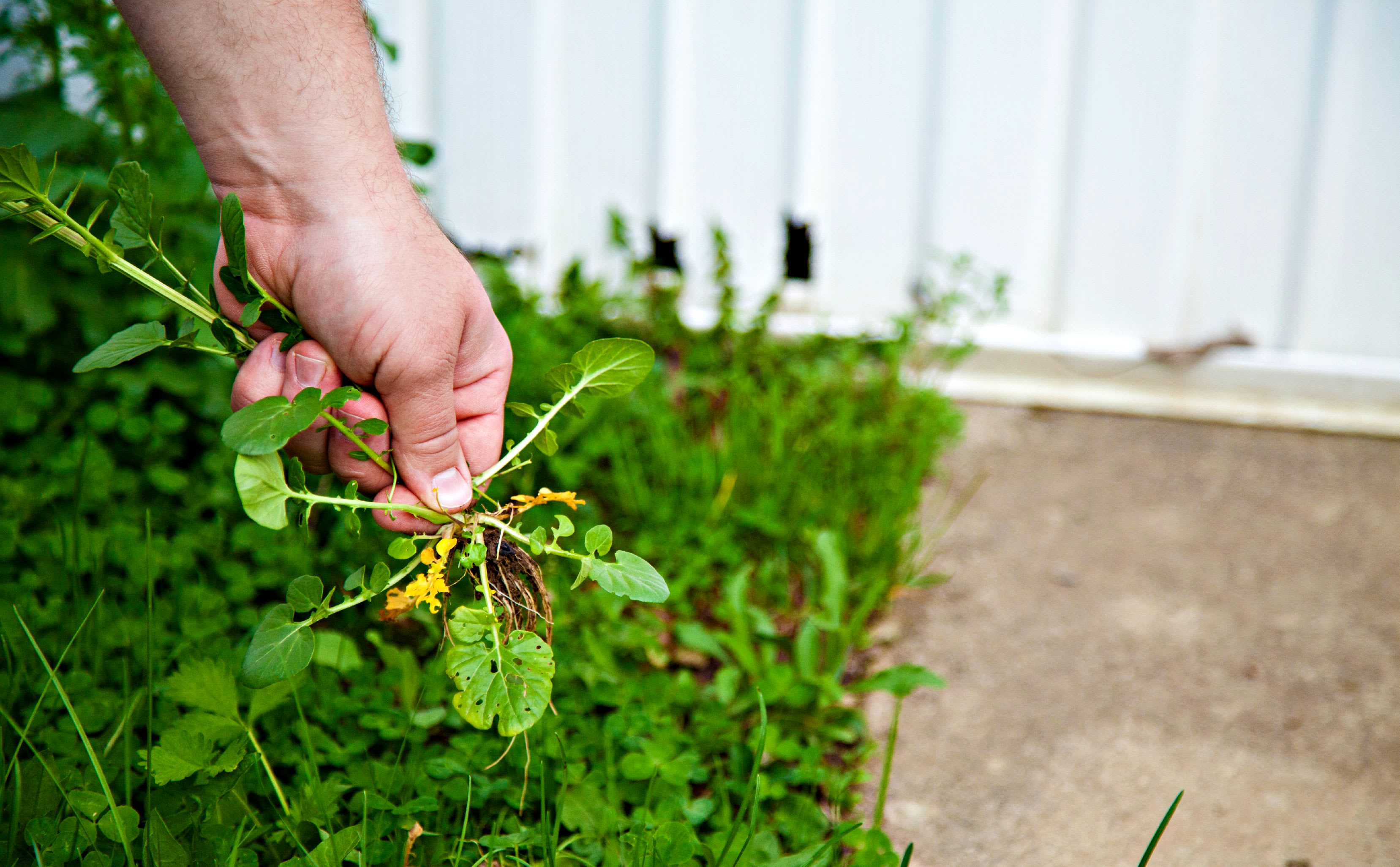
It’s best to pull weeds when the soil is wet, as it’s much easier. Wet soil is much softer than dry soil, making it easier to pull the entire weed up by the root. Also, since the soil is wet, the roots will let go of the soil and slide up with less resistance. Be careful when working on your wet garden, though, as wet soil is easier to compact, which can harm your plants.

Johnsongrass and crabgrass are invasive weeds that can overtake your lawn. Crabgrass is a low-growing grass most often seen in lawns, flower beds, and vegetable gardens. While you may find Johnsongrass growing in your lawn, it will also grow in pastures, crop fields, and the edge of the road. Johnsongrass is much coarser than crabgrass. If left alone, Johnsongrass can grow up to 8 feet tall. 

The Richlands, NC homeowners’ guide to weed maintenance services

From average costs to expert advice, get all the answers you need to get your job done.