




Top-rated arborists.

Get matched with top arborists in Oxford, NC

Enter your zip and get matched with up to 5 pros

Need a pro for your arboricultural service project in Oxford, NC?

Select your specific project to find the pro for you.

TRUSTED BY OXFORD, NC HOMEOWNERS

  • Average homeowner rating star icon4.5
    Average homeowner rating
  • Verified reviews icon410
    Verified arboricultural services reviews

Find Arborists in Oxford

Avatar for Rubio's Metal Roofing, LLC
Rubio's Metal Roofing, LLC
5.0(
10
)
Tree RemovalTree TrimmingTree Removal - For Business+5 more

Serving Oxford, NC and surrounding areas

Approved

In business since 2015

Offers commercial services

Customers say: Quick response

"My experience was wonderful! The service was excellent! They arrived on time, worked quickly and efficiently, cleaned up when they were finished, provided clear pictures and explanation of the entire job... highly recommended! Rubio was very nice and professional. Great pricing and quality service... I plan to hire them again next month for my next home improvement project! They do an amazing job!"
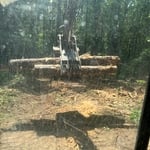
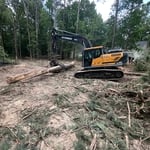
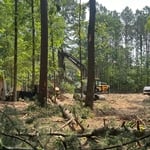
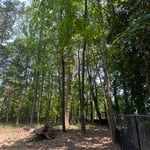
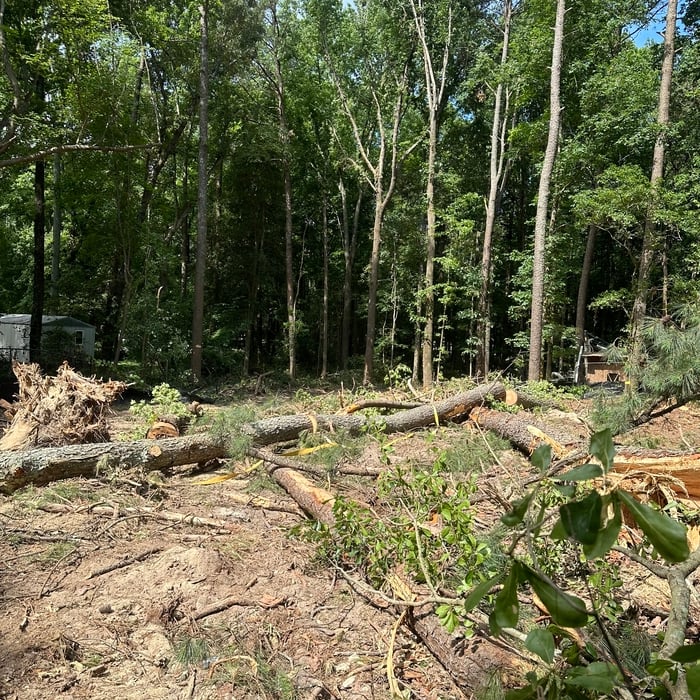
Our Work
Our Work
Our Work
Our Work
Our Work

+44

Response time1 day
Response rate97%
10 neighbors recently requested a quote

Avatar for Haul Star Services
Haul Star Services
5.0(
5
)
Tree Removal

Serving Oxford, NC and surrounding areas

Approved

Free estimates

Emergency services offered

Small jobs welcome

"Thank you so much, Dillon, for helping me with my yard! He did a great and quick job of cleaning out the yard of leaves and pine needles- and helped educate me on how I can avoid build up in the future as I’m new to the area. Was very quick to respond and schedule an appointment with."
30 neighbors recently requested a quote

Carolina Tree
3.9(
7
)
Tree RemovalTree Removal - For BusinessTree Stump - Remove+3 more

Serving Oxford, NC and surrounding areas

Approved

In business since 2010

Free estimates

Emergency services offered

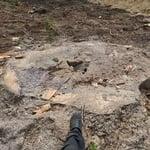
"If you are looking to have stumps removed, look no further than Carolina Tree Service. I needed 11 stumps removed! Super Stump Man, Larry Wallace came out and he initially said, he would remove some of them that day and come back at a later date to remove the others. However, he removed all eleven stumps in record time! In my book, he is the superhero of stump removal, period."
Response time1 day
6 neighbors recently requested a quote

Recommended by75%of homeowners
...
Showing 1-10 of 111
Arborists questions, answered by experts

The best time to transplant a tree is when it is dormant. For many trees, this means either in the fall after the leaves have dropped (around October or November) or in early spring before new growth begins (around March). The ideal timing can depend on the type of tree. Deciduous trees do well when moved in early spring or fall, while evergreens are best transplanted in early spring or late summer. For example, pine trees are best moved in early fall, but maples prefer late fall. Avoid transplanting in winter, as the frozen or hard, cold soil poses a significant risk to the roots and prevents the tree from acclimating properly.

In most cases, your neighbor is responsible for roots from their tree that cause damage to your property. If your pavement, the foundation of your home, or a fence is damaged by roots from a neighbor’s tree, you likely will have legal recourse for financial relief. While it’s better to notify your neighbor of any problems you notice as soon as they arise to avoid costly damage, there are some instances where filing a civil suit is your only recourse. Your homeowner’s insurance company might wish to do so on your behalf if you file a claim.

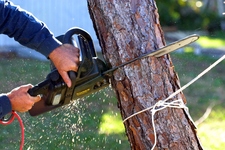
A chainsaw is the best tool to cut down a tree, but you may also use a handsaw or ax. You may also want to use a lopper or pole saw to remove limbs before cutting down the tree. Wear chainsaw chaps and protective gear, including eyewear and earplugs if you use a chainsaw. Again, if you’re unsure about how to use this tool, this project may be one to skip.

Deciduous shade trees (the type of trees whose leaves fall off in autumn) need to be pruned in late winter—between February and March. That’s because it’s easier to find and remove sick or dead branches when no leaves are present. And wounds close and heal faster in colder temperatures so pruning them at this time also makes them less prone to infection.

The best way to protect tree roots is to avoid the roots entirely by excavating outside the root radius of the tree. For nearby projects, it’s a good idea to construct a temporary retaining wall. But that’s not always possible, depending on the project and the root system. In these cases, consider using alternative equipment like an auger to tunnel under the ground.

Remember, tree roots can damage nearby cement foundations as they grow. If a tree is close enough to interfere with large excavations, it may be better to remove the tree than risk future problems.

The Oxford, NC homeowners’ guide to arboricultural services

From average costs to expert advice, get all the answers you need to get your job done.