Top-rated plaster repair specialists.

Best plaster repair specialists near Mount Olive, NC

Enter your zip and get matched with up to 5 pros

Need a pro for your plaster repair project in Mount Olive, NC?

Select your specific project to find the pro for you.

TRUSTED BY MOUNT OLIVE, NC HOMEOWNERS

  • Average homeowner rating star icon4.7
    Average homeowner rating
  • Verified reviews icon22
    Verified plaster repairs reviews

Top-Rated Plaster repair specialists in Mount Olive - Updated Nov 2026

Avatar for A and A Construction Company
A and A Construction Company
4.9(
18
)
Plaster - InstallPlaster - Repair

Serving Mount Olive, NC and surrounding areas

In business since 2021

Free estimates

Emergency services offered

"To find a reliable and trustworthy contractor in Fayetteville is almost impossible. Anthony is amazing and reliable, we stayed in constant communication. The best part about this process is his honesty. Thank you so much for all of your help with repairing one of my properties. I highly recommend him to anyone who has home projects. I canâ t express how wonderful it was to work with Anthony."
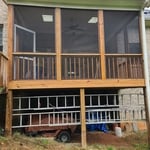
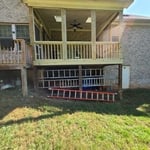
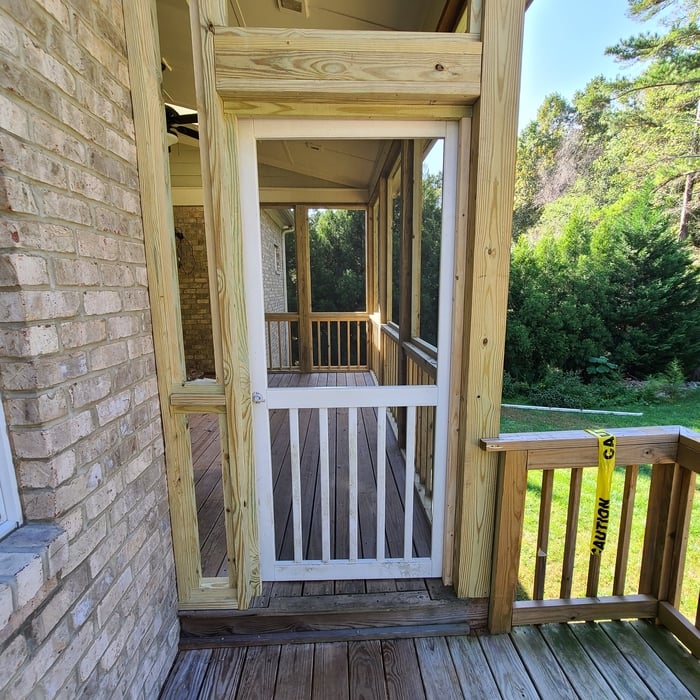
deck
deck
deck
middle
middle

+96

Response time2 hrs
Response rate98%
Recommended by87%of homeowners
Jakz Construction
4.3(
11
)
Plaster - InstallPlaster - Install - For BusinessPlaster - Repair+1 more

Serving Mount Olive, NC and surrounding areas

In business since 2022

Free estimates

Offers commercial services

"Jason gave us a competitive cost for redoing the stucco of our front porch half wall. He and Shannon did a great job and completed it on time. Jason was very prompt in communicating any updates to the progress and schedule."
Response time2 days
Response rate89%
Recommended by85%of homeowners
...
Showing 1-10 of 53
Plaster Repair FAQs, answered by experts

Common causes of ceiling cracks along drywall seams include poor drywall installation techniques, structural issues, truss uplift, and foundation problems. Temperature and humidity also play major roles in ceiling cracks flush with the wall. As the drywall shrinks and expands from major temperature changes or extreme humidity shifts, this can cause the drywall to crack.

Whether Venetian plaster increases your home's value often depends on the buyer's preference. As a purely aesthetic upgrade, it doesn't add structural value in the same way a kitchen or bathroom remodel might. However, its beautiful and attractive appearance can make a home more appealing to potential buyers, possibly leading to more interest, higher offers, and increased competition when you sell.

Plaster walls typically last between 30 and 70 years, but depending on the quality of the materials and the moisture levels in the building, they can last for over 100 years. With expert application and consistent maintenance, plaster can even last for centuries. To extend its lifespan, it is important to have the plaster professionally installed, address any water damage promptly, and repair small cracks as they appear. Regular inspections by a professional can help identify and address concerning cracks before they become significant issues.

Repairing plaster walls or ceilings is almost always worthwhile. It restores the appearance of your home, and if it's an exterior wall, the repair can improve curb appeal and provide a great return on investment when selling. Plaster repairs can also reinforce the wall, preventing minor cracks from spreading, and improve your home’s energy efficiency by fixing gaps in the insulative material, potentially lowering your heating and cooling bills. Additionally, hiring a professional allows them to check if the damage is from a serious underlying issue, such as foundation instability. Catching a problem like this early could save you thousands.

Although they have similar applications, spackle and joint compound are not the same. Their primary differences lie in their composition, consistency, and ideal use cases.

Spackle is composed of gypsum and binding agents, making it thicker than joint compound. It dries quickly and is easy to sand, which makes it ideal for small wall repair projects like filling nail holes or patching minor damage.

Joint compound, also known as drywall mud, consists of limestone and gypsum. It is primarily used for large-scale projects, such as taping and finishing the seams on newly installed drywall. It tends to shrink more than spackle and can be more difficult to spread.

While both products can be used to fill small depressions and cracks, spackle cannot replace joint compound for taping and mudding new drywall. Conversely, you can often use joint compound for small patching jobs typically done with spackle.

The Mount Olive, NC homeowners’ guide to plaster repairs

From average costs to expert advice, get all the answers you need to get your job done.