
Top-rated lead testing and removal specialists.

Get matched with top lead testing and removal specialists in Marion, NC

Enter your zip and get matched with up to 5 pros

Need a pro for your lead testing and removal project in Marion, NC?

Select your specific project to find the pro for you.

Find Lead testing and removal specialists in Marion

Avatar for New Day Services LLC
New Day Services LLC
5.0(
5
)

Serving Marion, NC and surrounding areas

In business since 2017

Free estimates

Emergency services offered

"In working with a new company it is my nature to be very cautious and even skeptical concerning trusting the work. Even after being recommended by a close family member; I still was concerned about the percentage rate they were asking for, in the contract they presented. I must say however; after seeing their professionalism, work ethic, documentation, and the detailed reports they provided to establish and ultimately win my case; I was not only pleased but I'm convinced enough to say, I would use them again and recommend them to both other home owners and to friends."
Recommended by100%of homeowners

Lead Testing and Removal questions, answered by experts

You can sell a house with lead paint, but there are several requirements. If you are aware that lead paint exists anywhere in the home, you must disclose that to potential buyers. Required home inspections will often uncover lead paint, especially for older houses where lead paint may still be a problem. If you have taken steps to encapsulate lead, you should provide buyers with full documentation of the project so it won’t cause any problems later on.

According to the Environmental Protection Agency (EPA), hazardous waste is generally classified into four main categories:

1. Characteristic Wastes: These exhibit at least one of four hazardous traits: ignitability (flammable, like gasoline), corrosivity (can rust or decompose materials, like car batteries), reactivity (unstable and can explode, like aerosol cans), or toxicity (harmful when ingested, like lead-based paint).

2. Listed Wastes: These are specific wastes from manufacturing and industrial processes that the EPA has officially designated as hazardous. They include byproducts from processes that use solvents, pesticides, and other chemicals.

3. Universal Wastes: These are commonly generated hazardous items that are subject to streamlined regulations. Examples include batteries, pesticides, mercury-containing equipment (e.g., bulbs), and some lamps.

4. Mixed Wastes: This category includes waste that contains both hazardous and radioactive components, making it subject to regulation by both the EPA and the Nuclear Regulatory Commission.

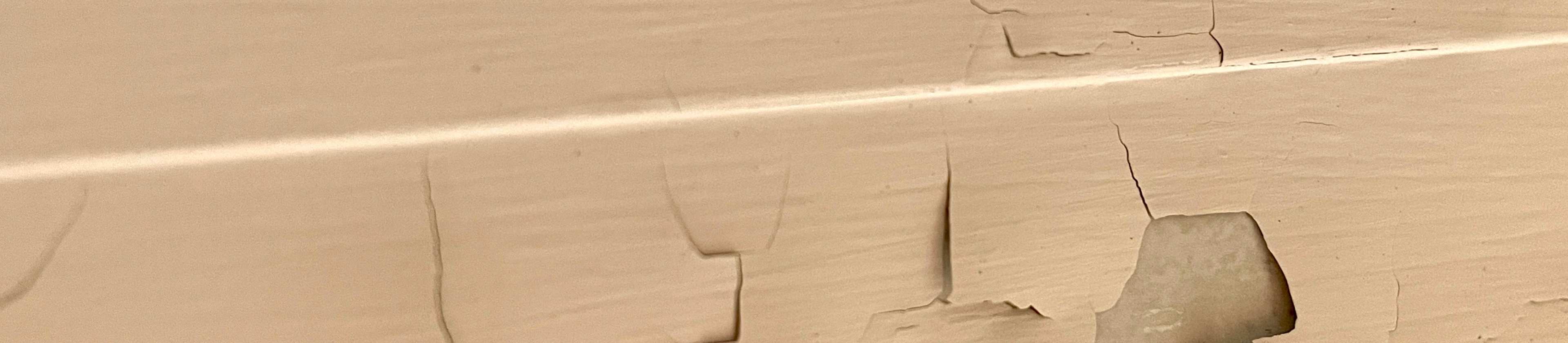
Lead toxicity comes from inhaling lead or consuming it. Before the 1980s, when the government banned lead from consumer use, it could be found in paint, plumbing, pipes, ceramics, and even gasoline. Lead paint is toxic for the same reason lead itself is toxic, which is why lead poisoning from paint presents the same as lead poisoning from water or food sources, with a slight increase in respiratory symptoms vs. digestive symptoms. Lead paint is most dangerous when it’s old and peeling, cracking, or otherwise disturbed. This increases the concentration in the air and, therefore, in breathable air. 

A lead paint inspection is a thorough examination and assessment of a building or structure to determine the presence of lead-based paint. Lead-based paint was commonly used in buildings before 1978 when its health hazards were fully understood. Lead is toxic and can pose health risks, particularly to young children and pregnant women. Getting a lead paint inspection means finding a lead paint inspector to examine the surfaces of the building—such as walls, ceilings, doors, windows, and other painted areas—and identify the presence of lead-based paint.

If your house was built before 1978 and you’re noticing cracking or peeling paint, a lead paint inspection is a good idea. A lead paint inspection gives you accurate information about the presence, location, and condition of lead-based paint in your home. This information is essential for making informed decisions about lead paint removal to ensure your safety and health and that of your family. If your inspector finds lead, you’ll need to take steps to manage or remove the lead-based paint and comply with laws and regulations.

The Marion, NC homeowners’ guide to lead testing and removal services

From average costs to expert advice, get all the answers you need to get your job done.

What do you need done? We’ll find top pros.
  • 🌱 "Mow a small front yard"
  • 🛠 "Fix a leaking pipe under the sink"
  • 🏠 "Repair shingles on an asphalt roof"