






Top-rated landscapers.

Get matched with top landscapers in Linden, NC

Enter your zip and get matched with up to 5 pros

Need a pro for your landscaping project in Linden, NC?

Select your specific project to find the pro for you.

TRUSTED BY LINDEN, NC HOMEOWNERS

  • Average homeowner rating star icon4.6
    Average homeowner rating
  • Verified reviews icon131
    Verified landscaping services reviews

Find Landscapers in Linden

Avatar for I-Haul 4U
I-Haul 4U
4.8(
94
)
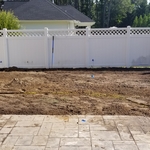
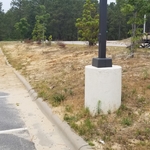
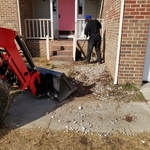
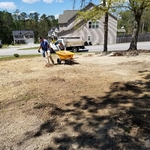
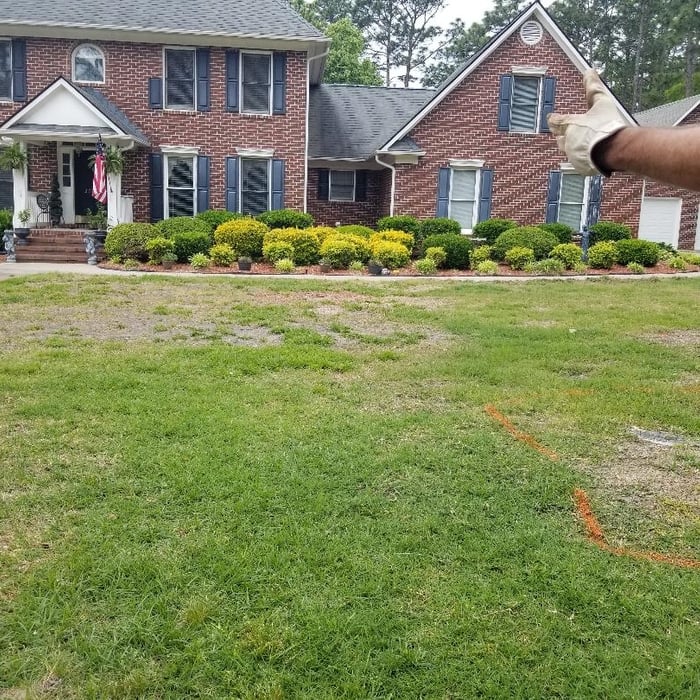
Sod - Install - For Business

Serving Linden, NC and surrounding areas

Approved

Super Service Award Winner

In business since 2023

Free estimates

Emergency services offered

"Extremely happy with the process and the results. Joe and his team were extremely helpful, thorough, and considerate. I will be using them regularly from now on. HIGHLY recommend to anyone in the area"
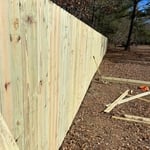
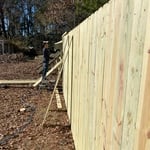
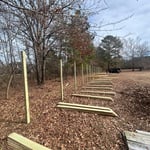
FENCE
FENCE
FENCE
FENCE
FENCE

+54

Response time7 hrs
Response rate97%
40 neighbors recently requested a quote
...
Showing 1-10 of 485
Landscaping questions, answered by experts

While you can leave roots in the ground, if you don’t want the shrub to regrow again over time, it’s best not to leave any roots behind. Ensure you remove as much of the shrub as possible, including the root ball and any main roots you can see, to prevent new growth. Some gardeners opt for using a chemical treatment to prevent the stump from growing back, but this can kill beneficial microorganisms living in your soil.
When planting, it's best to leave several feet between a house and a juniper bush. Many juniper varieties will become quite bushy and require space to grow. Juniper branches that come into contact with siding can damage the home's exterior over time. Also, some juniper bushes have aggressive roots that can put pressure on a home's foundation or basement walls. 

The most important thing to put under a rock garden is the appropriate soil. The specific soil needed will depend on the type of plants you’re growing as well as the environment you live in. You can also put non-woven or woven fabric under the rocks to add to the garden's structural stability.

Yes, you can landscape in the rain, but you should take some precautions to keep yourself and your tools safe. Avoid using electric landscaping tools during rainfall, and don’t mow, thatch, aerate, or rake in the rain, as your tools can more easily tear out roots in the loose soil. Be careful when working on wet grass, and take your time to avoid slipping. Avoid putting in new plants before a particularly bad storm, as heavy rain and strong winds can damage or uproot plants that aren’t yet established.

While there are over 400,000 different flowering plants worldwide, there are five main types of flowers. These flower types are based on their lifecycles, giving each type a unique personality. These types are:

  • Annuals, which complete their entire life cycle within a single growing season. 

  • Perennials, which the tops die off in the winter but regrow in spring. 

  • Biennials, which complete their entire life cycle within two years.

  • Hybrids, which exhibit either annual or perennial behaviors depending on location

  • Flowering shrubs, which are small to medium-sized perennial woody plants, such as shrubs or evergreens.

The Linden, NC homeowners’ guide to landscaping services

From average costs to expert advice, get all the answers you need to get your job done.