



Top-rated lead testing and removal specialists.

Get matched with top lead testing and removal specialists in Laurel Park, NC

Enter your zip and get matched with up to 5 pros

Need a pro for your lead testing and removal project in Laurel Park, NC?

Select your specific project to find the pro for you.

Find Lead testing and removal specialists in Laurel Park

Avatar for New Day Services LLC
New Day Services LLC
5.0(
5
)

Serving Laurel Park, NC and surrounding areas

In business since 2017

Free estimates

Emergency services offered

"It was excellent.! I Never experience anything like that before. They showed up and help me to put my home back together after being hit by a tornado. I Had shattered windows , Roof blown off. Privacy riped up. Siding damage alone with water damage. Among others things that were destroyed. They worked long and very hard .They helped me when I felt all was lost. Mr. Baker was angel in a time of need. I highly recommend this Company. I would use them If I were ever placed in this situation again. I can not thank them enough for the workmanship they gave home in my time of need. Thank you Turner"
Recommended by100%of homeowners
Lead Testing and Removal questions, answered by experts

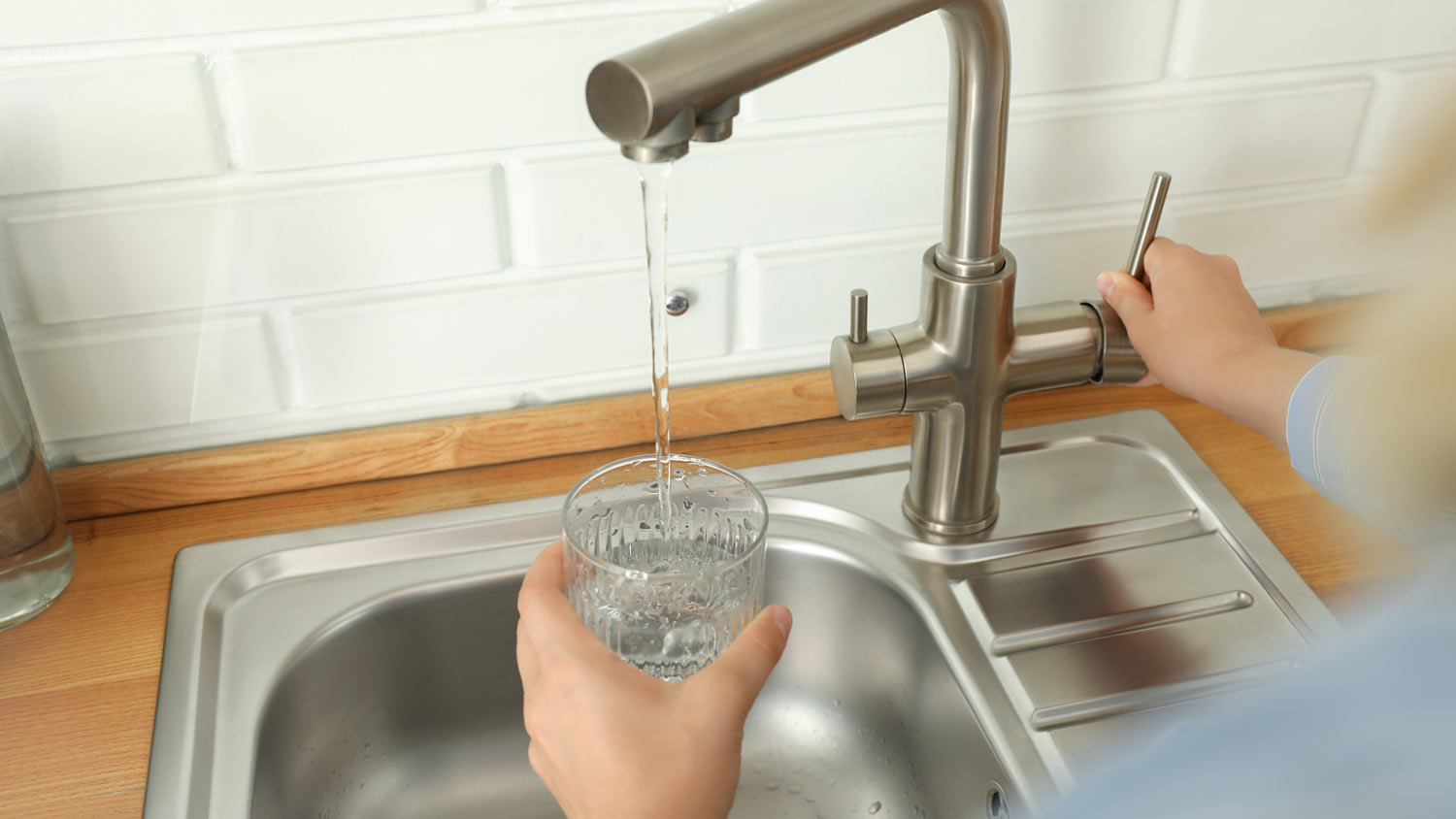
“Testing” can start with your senses: Assessing your water’s appearance, taste, and smell can all be good first steps. The best way to know for sure what’s going on with your water is to use a well water testing kit, which can tell you about the specific levels of bacteria, dissolved solids, and hardness of your water with precision. Have a pro test your well water at least once per year.

At-home lead tests can provide accurate results if used correctly, and if the kits are reputable and certified. They vary in sensitivity and methodology, influencing their accuracy. Follow instructions meticulously, ensuring proper sample collection and test execution. While they can detect elevated lead levels, for precise confirmation or if results are concerning, consider professional testing or lab analysis for comprehensive accuracy and guidance on addressing any issues.

According to the Environmental Protection Agency (EPA), hazardous waste is generally classified into four main categories:

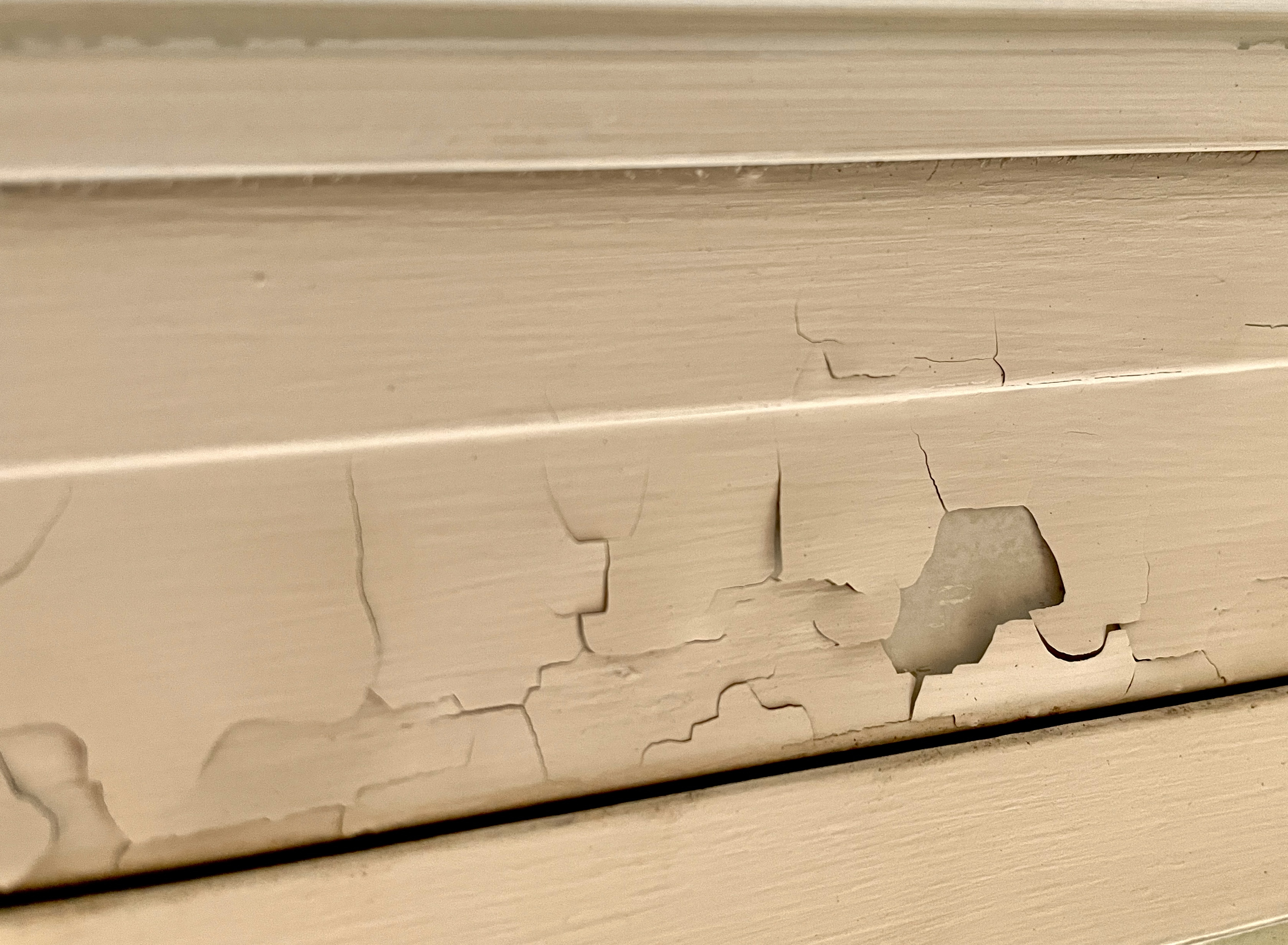
1. Characteristic Wastes: These exhibit at least one of four hazardous traits: ignitability (flammable, like gasoline), corrosivity (can rust or decompose materials, like car batteries), reactivity (unstable and can explode, like aerosol cans), or toxicity (harmful when ingested, like lead-based paint).

2. Listed Wastes: These are specific wastes from manufacturing and industrial processes that the EPA has officially designated as hazardous. They include byproducts from processes that use solvents, pesticides, and other chemicals.

3. Universal Wastes: These are commonly generated hazardous items that are subject to streamlined regulations. Examples include batteries, pesticides, mercury-containing equipment (e.g., bulbs), and some lamps.

4. Mixed Wastes: This category includes waste that contains both hazardous and radioactive components, making it subject to regulation by both the EPA and the Nuclear Regulatory Commission.

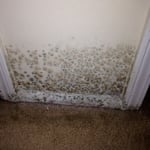
Services test for allergens, mold, VOCs, and carbon monoxide levels to ensure a healthy indoor environment.

You can sell a house with lead paint, but there are several requirements. If you are aware that lead paint exists anywhere in the home, you must disclose that to potential buyers. Required home inspections will often uncover lead paint, especially for older houses where lead paint may still be a problem. If you have taken steps to encapsulate lead, you should provide buyers with full documentation of the project so it won’t cause any problems later on.