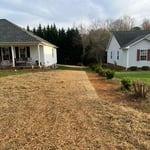
"Needed fencing installed to keep groundhogs from taking up residence under our deck. Brady came up with a creative and complete solution that made sure the varmints were out and would not return. Would use again."
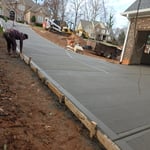
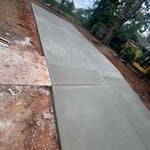
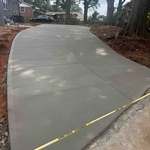
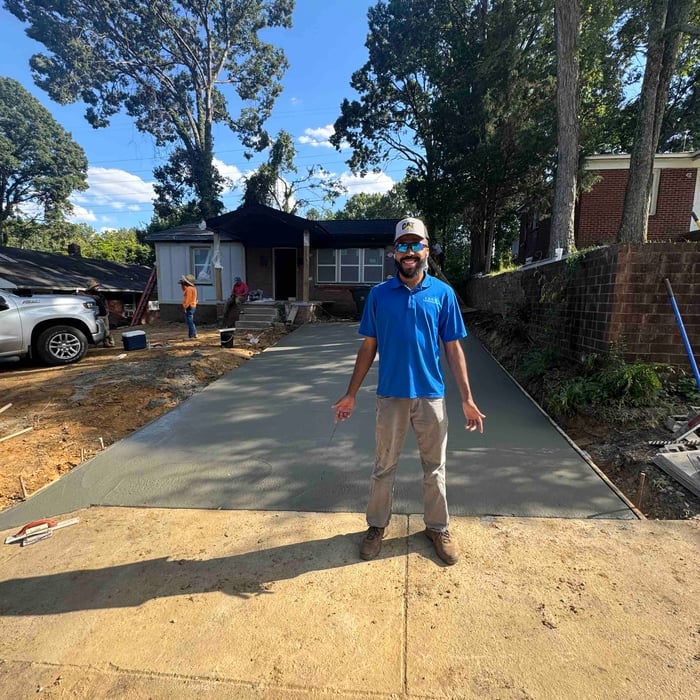
"Our project was completed beautifully by ACEncio Concrete. They created patios, sidewalks, steps, and a driveway extension for us. We are very happy with the quality of the work performed. Reynaldo and his crew were very courteous and respectful. They were all very conscientious to leave the worksite neat and clean. We highly recommend ACEncio Concrete."
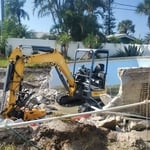
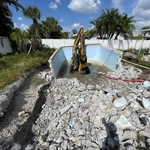
"After finding no luck with other companies in my area, I hired Fetisis Demo for a difficult demolition job. They did absolutely amazing. Very fair pricing and completed the job earlier than expected. Couldn’t be more happy with the outcome. Extremely nice people as well. Would 100% recommend and I will be using them for any future jobs."
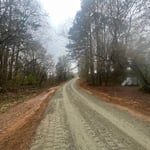
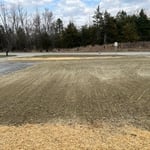
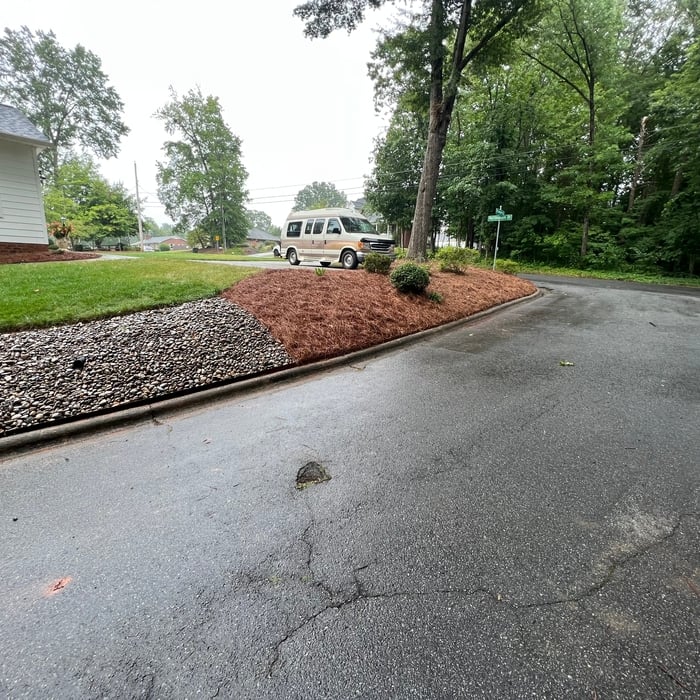
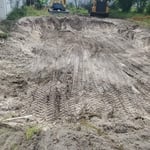
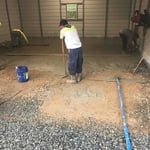
"Isaac and the crew were professional and efficient. They graded the driveway dumped and spread the gravel. Everything looks so fresh and new. Price for the gravel was very reasonable. Would highly recommend!"
Petkov Construction Group provides reliable junk removal, light demolition, cleanouts, and hauling services throughout the Charlotte area. We pride ourselves on honest pricing, dependable service, and leaving every job site clean. Whether you’re a homeowner, contractor, or property manager, we’re committed to making your project simple, efficient, and stress-free.
"Excellent company! Mr. Johnson was very professional, knowledgeable, timely, and provided A1 customer service. I would highly recommend this company to other customers!"
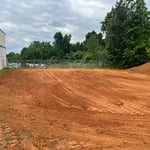
"I would highly recommend Rocky Creek Grading for all of your grading/demolition work. They skillfully removed two old mobile homes off of my property and left the lots neat and clean. They exceded all of my expectations!"
While you can save some money by digging your own pool, you may end up paying more in construction equipment rental fees in the long run. You could, however, focus your DIY energies on lowering the cost of leveling your lawn for your pool or filling in surrounding landscaping after construction.
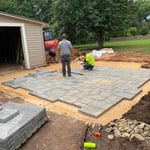
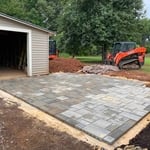
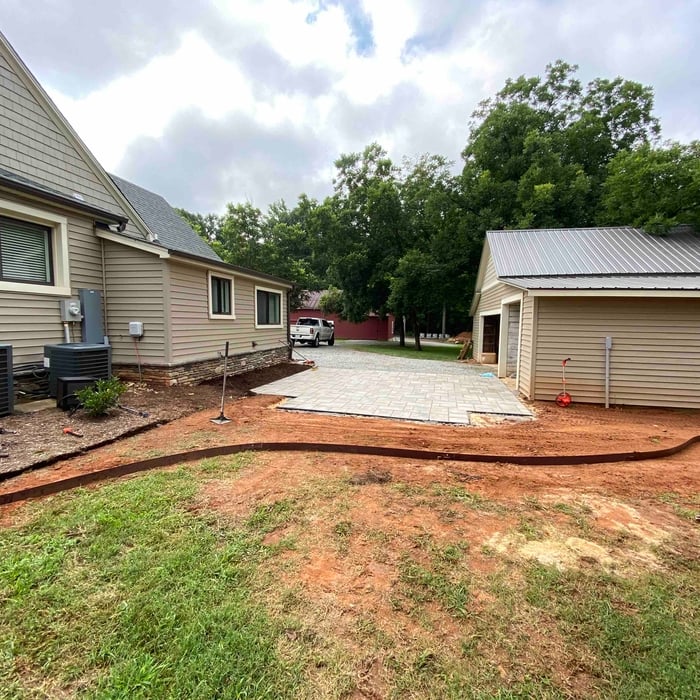
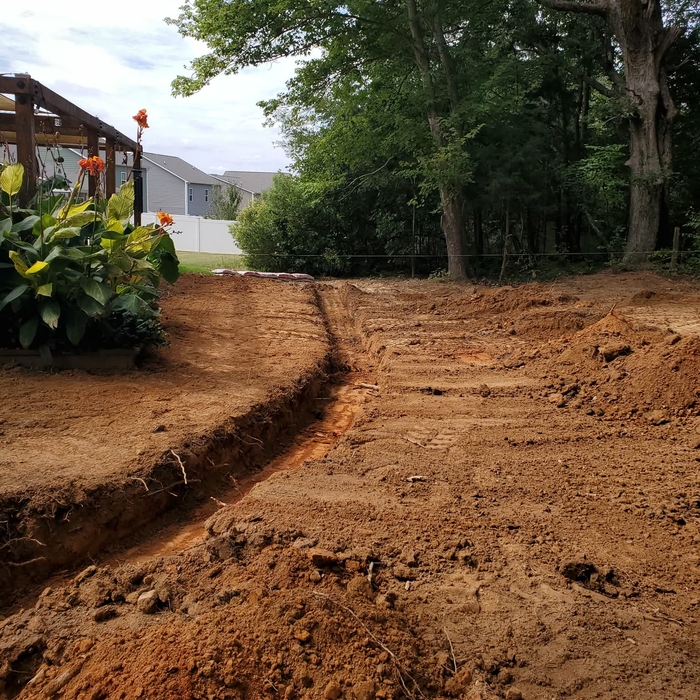
Hardscaping often requires preparation of the ground in the area where the feature is being installed. This can include digging, compacting, and leveling the soil, ensuring adequate drainage, and removing any existing plants. The extent of preparation needed will depend on the type and size of the hardscaping feature being installed.
Your contractor should handle dust control during the project. It's best to speak with your contractor beforehand to check if they plan to cover your furniture, protect your vents, or use fans to redirect dust. Eliminating drywall dust is a particularly large challenge during construction, so always take this into account during your planning phase.
How deep your septic system needs to be into the ground depends on several factors. In extremely cold environments, the tank needs to rest below the maximum frost line, which can be up to six or eight feet deep. The standard burying depth for most systems is between a few inches and four feet below ground level. Depth can also depend on the slope of the landscaping and other property variables.
Downspouts should be buried at least 5 to 10 feet away from your foundation. This can vary depending on your local building codes, soil type, and property slope. The main goal is to ensure water is directed away from your foundation.
The Landis, NC homeowners’ guide to excavation services
From average costs to expert advice, get all the answers you need to get your job done.
Find out the average excavation cost in Charlotte, NC. Learn what you can expect to pay for local land clearing and grading services to start your project.
Excavation costs $1,500 to $6,300 for most residential projects—but it depends on factors like the size of the area. This guide will help you plan a budget.