







Top-rated excavation pros.

Get matched with top excavation pros in Mocksville, NC

Enter your zip and get matched with up to 5 pros

Need a pro for your excavation project in Mocksville, NC?

Select your specific project to find the pro for you.

TRUSTED BY MOCKSVILLE, NC HOMEOWNERS

  • Average homeowner rating star icon4.6
    Average homeowner rating
  • Verified reviews icon36
    Verified excavation services reviews

Find Excavation pros in Mocksville

M&D Property Solutions
4.5(
23
)
Building Site - Preparation and ClearingBuilding Site - Preparation and Clearing - For BusinessLandscape - Minor Grading or Resloping

Serving Mocksville, NC and surrounding areas

Approved

In business since 2017

Emergency services offered

Warranties offered

"Needed fencing installed to keep groundhogs from taking up residence under our deck. Brady came up with a creative and complete solution that made sure the varmints were out and would not return. Would use again."

Master bedroom
Master bedroom
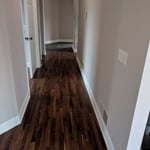
Front hall
Living area
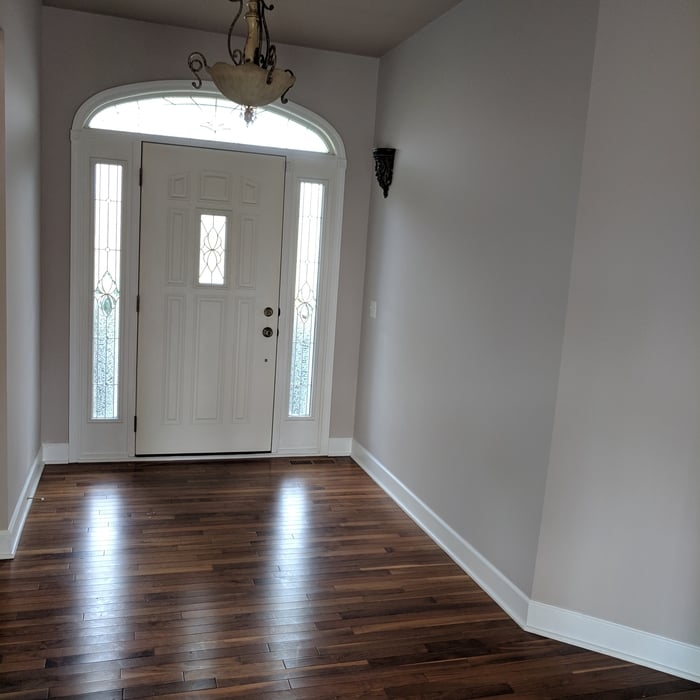
Entry

+10

Response time1 day
1 neighbors recently requested a quote
Recommended by100%of homeowners

A&S Siteworks
New to Angi
Building Site - Preparation and ClearingBuilding Site - Preparation and Clearing - For BusinessExcavation - Major Grading or Resloping+2 more

Serving Mocksville, NC and surrounding areas

Approved

“My name is Damian Anderson, owner of A&S Siteworks. We provide professional grading, excavation, drainage, and landscape construction services with a strong focus on quality, communication, and detail. We work hard to make projects smooth from start to finish and build long-term relationships with our clients

...
Showing 1-10 of 138
Excavating questions, answered by experts

Septic drain lines (or leach lines) are typically buried between 18 and 36 inches underground, and should be at least 6 inches below the surface. These pipes are perforated and surrounded by filtering materials like sand or gravel. Burying the lines at this depth helps minimize odors and allows bacteria and other biological processes in the soil to effectively treat the wastewater. Burying lines too close to the surface can cause issues unless the soil is very compact and stable.

A mini excavator can dig between 5 and 11 feet deep, depending on the type and size of the mini excavator. Mini hydraulic excavators are more powerful and can reach deeper into the earth, but electric models have a more limited range. Mini excavators over two tons in size are also more powerful and able to dig as deep as 11 feet.

Because decomposed granite is a durable material, a crushed rock or gravel base is optional as long as the DG is properly installed and compacted. However, installing a base is a good idea because it will ensure proper drainage and stability and act as a weed suppressant (although you may still occasionally have to pull weeds). Installing an adequate base can also increase the durability of driveways and walkways. If you forego the paver base or gravel underneath, line the area with landscaping fabric to avoid weeds.

Digging a bush up by the roots is the most natural DIY method for removing a bush stump. Start by identifying the shrub type and revealing its roots. Cut the shrub to its base and loosen the soil, ensuring no utility lines are nearby. Optionally, treat the base with herbicide, then dig around the roots and cut a circle around the shrub using various tools. Dig a trench, cut the base of the root ball, and finally fill the hole to prevent regrowth. This thorough process ensures complete removal without damaging surrounding areas.

No, fire blight does not survive free in the soil but instead is carried through insects, animals, rain, or wind during the spring. Keep in mind that it can also spread on tools, which is why you should always disinfect them in between cuts.

The Mocksville, NC homeowners’ guide to excavation services

From average costs to expert advice, get all the answers you need to get your job done.