




Top-rated excavation pros.

Get matched with top excavation pros in Rockwell, NC

Enter your zip and get matched with up to 5 pros

Need a pro for your excavation project in Rockwell, NC?

Select your specific project to find the pro for you.

TRUSTED BY ROCKWELL, NC HOMEOWNERS

  • Average homeowner rating star icon4.8
    Average homeowner rating
  • Verified reviews icon23
    Verified excavation services reviews

Find Excavation pros in Rockwell

Avatar for Carolina Landscaping and Tree Services LLC
Carolina Landscaping and Tree Services LLC
4.9(
14
)

Serving Rockwell, NC and surrounding areas

Approved

Super Service Award Winner

In business since 2022

Free estimates

Emergency services offered

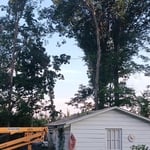
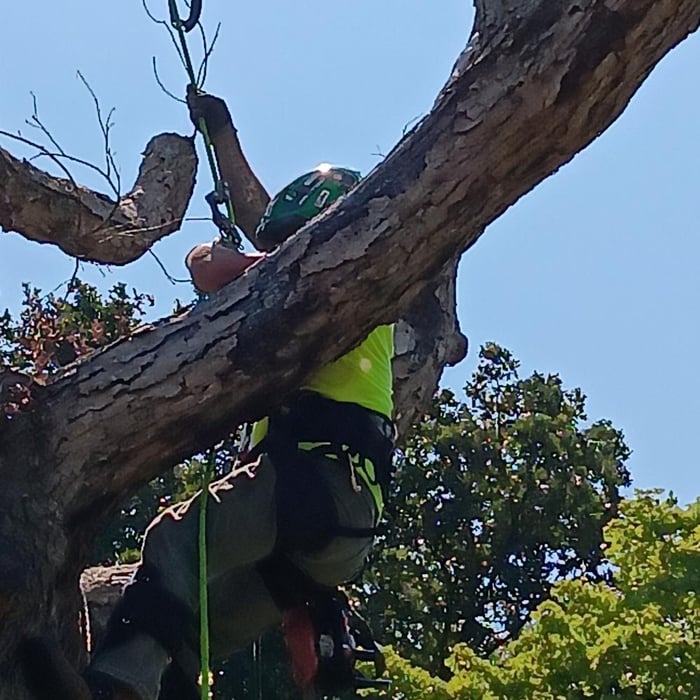
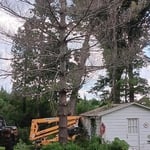
"Carolina lawn & tree, showed up at our house gave me a quote, on taking down a big oak tree, which I thought was a fair price, the tree was leaning over our fence and 2 power lines, they took the big tree down, cleaned up the tree and all of the branches, no damage to the fence or power lines, I would recommend these guys to anyone!!"
Jimmy
Jimmy
Jimmy
David
David

+57

Response time1 day
Avatar for ACEncio Concrete
ACEncio Concrete
4.9(
109
)

Serving Rockwell, NC and surrounding areas

Approved

Super Service Award Winner

In business since 2017

Free estimates

Warranties offered

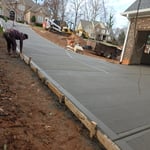
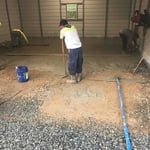
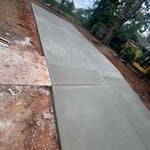
"What I like best is Reynaldo answered the phone every time I called. Was very seamless and very professional. The job was done. Top shelf would recommend him for any concrete project."
Response time3 days
4 neighbors recently requested a quote
Recommended by91%of homeowners
...
Showing 1-10 of 172
Excavating questions, answered by experts

In the United States, a depth of 36 inches (three feet) for underground water lines is the accepted industry standard. This depth varies from location to location based on local conditions. In areas with colder winters, they may be buried deeper to prevent frozen well water pipes : This is usually at least six inches below the frost level. The International Plumbing Code calls for a minimum of 12 inches below grade.

Errors in site preparation can lead to structural failures or appear costly midway. Professionals ensure detailed, reliable home base development layouts.

There are many ways to cut through roots when digging, especially if your trencher doesn’t seem to be removing the roots. First, use a shovel to expose the roots. Then, use gardening shears to clear out smaller roots or a reciprocating saw to remove larger plant roots. If you plan on keeping the plant, avoid cutting any roots over 2 inches thick.

The best type of soil to build on is a mixture of sand and clay, known as loam soil. Loam soil has the best combination of these soil types to build a foundation on. The clay particles help with water retention, so it won’t erode like sandy soil might, and the sandy particles help with drainage, so you won’t see unsafe soil expansion or have an increased risk of leaks from water sitting against your foundation.

No, a ditch isn’t a trench. A ditch is an open, relatively shallow channel that’s carved out of the ground and used for drainage purposes. In contrast, a trench is a deeper excavation that’s entirely underground. Trenches have many uses, including gas lines, sewage systems, and electrical wiring. Unlike trenches, ditches don’t get filled back in with dirt after they’re dug.

The Rockwell, NC homeowners’ guide to excavation services

From average costs to expert advice, get all the answers you need to get your job done.