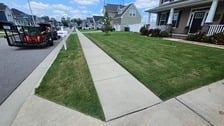
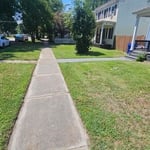
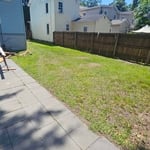
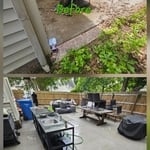
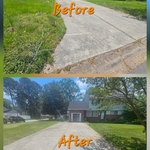
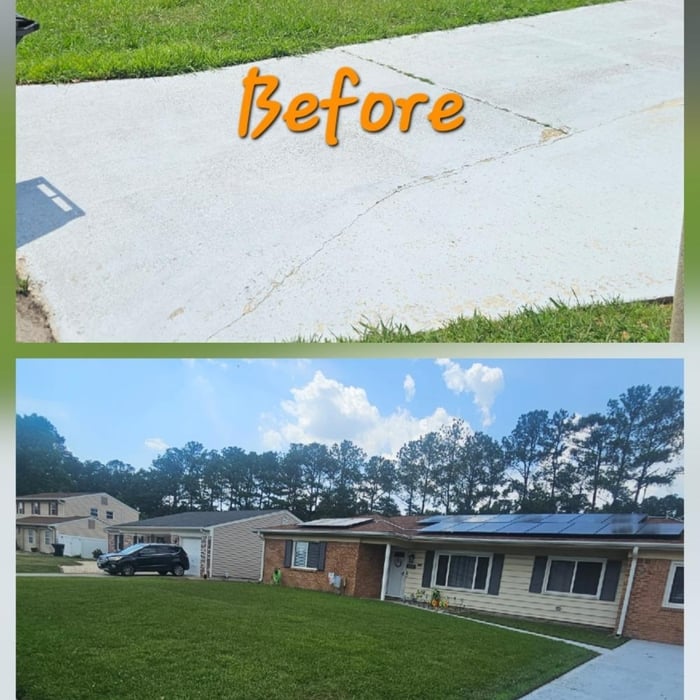
"I hired â A Cut Aboveâ to cut down and remove two trees and they were absolutely awesome. It was a great experience from beginning to finish. They showed up to give an estimate and then do the work on the day and hour they said theyâ d be here (and thereâ s not a lot of that going around lately). I have an established yard that I did not want damaged in the process and they were respectful to exercise due caution and care. Before leaving they cleaned up and the place looked like they had never been there. I had no work to do when they left â only sit back and enjoy the result of their work. The crew was polite, kind, and friendly. The cost was very reasonable and sure bettered others. Again, it was a wonderful experience. I have them on speed dial should I ever need them again, and recommend you all do the same."
"Diego was very friendly and nice. He did a great job in a timely matter. I would recommend him to others, and I will be calling him for any future lawn care that I may need."
"We are so glad we found JGV landscaping! Chris is efficient hard working and professional. Our river bank and yard are transformed! Highly recommend!!!"
"Quick, reliable, professional young man. Got the job done and was gone before I knew it. Definitely recommend to anyone whose looking to get junk removed and stuff"
You should ask a few questions to ensure that your potential lead removal professional is experienced and qualified to handle lead-paint abatement safely, legally, and properly.
What are your qualifications and experience removing lead-based paint?
Are you licensed and certified to remove lead-based paint?
How do you test for lead paint?
What methods do you use for lead-based paint abatement?
What do you plan to do with the hazardous material when you remove it from the home?
Do you do replacement and painting work or removal only?
While not all homes built before 1978 contain lead paint, enough do, so you’ll still want to test to be on the safe side. The federal government banned lead-based paint for homes in 1978, but your state may have banned lead before that time. Around 24% of homes built between 1960 and 1977 contained lead-based paint, while 87% of homes built before 1940 contained lead-based paint.
Exterior paint contains a higher level of VOCs, which can be dangerous if you’re exposed to it for a long period of time. The good news is that paint’s toxicity reduces significantly once fully dried and cured. Do not keep open exterior paint cans in your home, basement, or garage, exposing your household to harmful chemicals over time.
While the EPA provides guidelines for homeowners to perform DIY lead paint removal, it is a risky process and generally not recommended due to serious health risks and strict regulatory requirements. The process requires precise safety precautions, such as wearing a respirator and protective eyeglasses, creating sealed exits, and using a HEPA vacuum for cleanup. To ensure the job is done safely, effectively, and in compliance with regulations, it is highly recommended to hire a professional lead abatement company. Certified professionals have the necessary training, experience, and specialized equipment (like chemical strippers and HEPA vacuums) to handle and dispose of hazardous materials safely.
No. Standard homeowners insurance does not cover any kind of lead remediation, focusing instead on sudden, unpreventable events like fires and theft. Many insurance companies will specifically exclude lead paint removal, since it tends to be an expensive and unavoidable project. The exception is if the lead surface is damaged during a covered event (like a flood) and homeowners insurance pays its replacement.
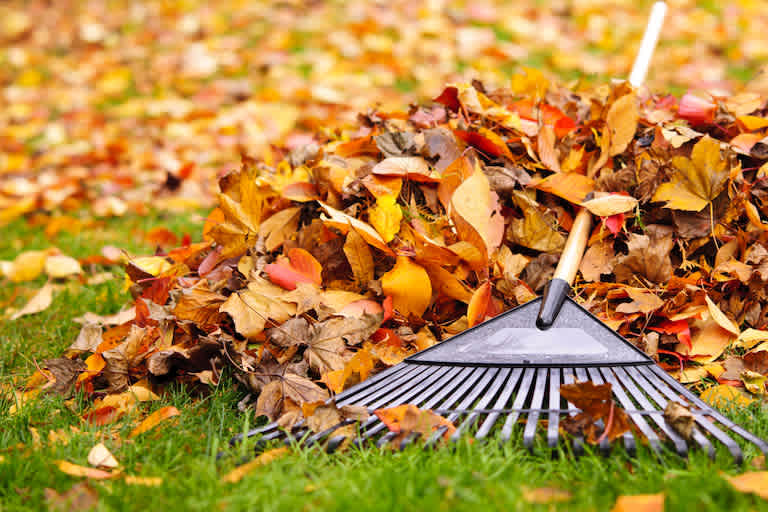
The Hertford, NC homeowners’ guide to leaf removal services
From average costs to expert advice, get all the answers you need to get your job done.
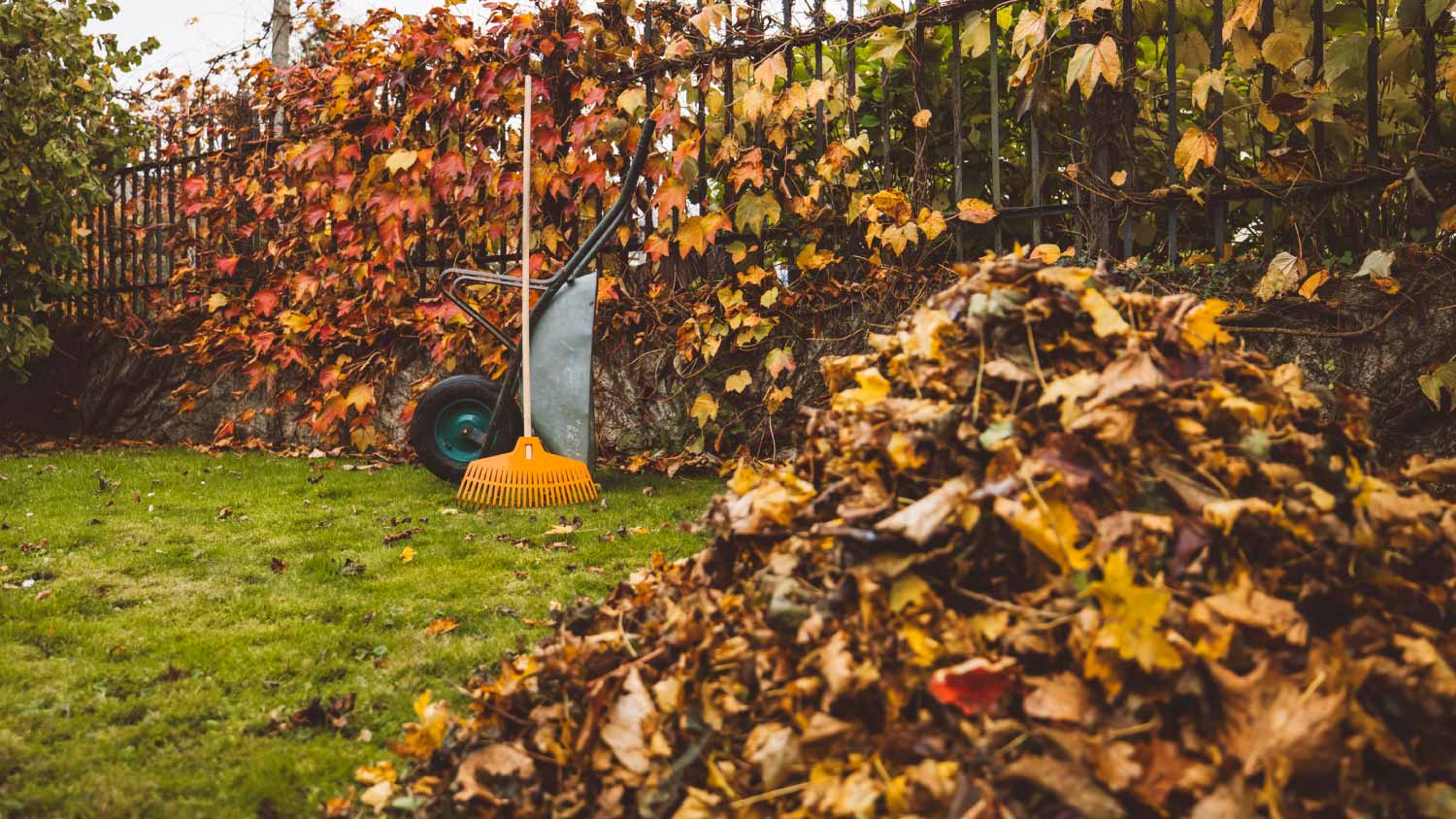
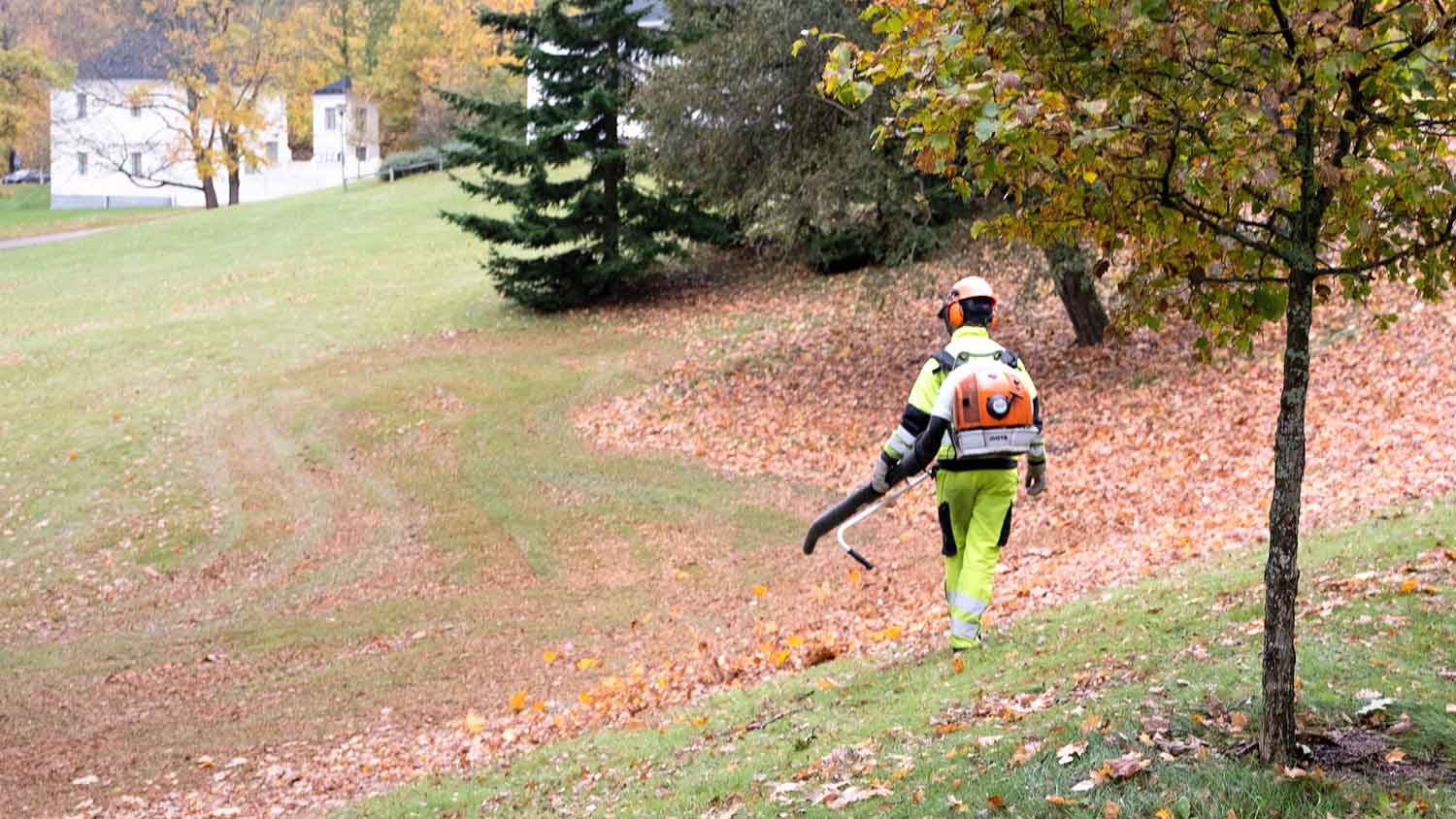
If autumn brings a blanket of leaves to your yard, you’ve got options. From mulching to free leaf removal days, here’s what to do with leaves in your yard.