



Top-rated bathroom fan installation pros.

Get matched with top bathroom fan installation pros in Harrells, NC

Enter your zip and get matched with up to 5 pros

Need a pro for your bathroom fan installation project in Harrells, NC?

Select your specific project to find the pro for you.

TRUSTED BY HARRELLS, NC HOMEOWNERS

  • Average homeowner rating star icon4.7
    Average homeowner rating
  • Verified reviews icon32
    Verified bathroom fan installations reviews

Find Bathroom fan installation pros in Harrells

Avatar for Get It Done, LLC
Get It Done, LLC
5.0(
11
)
Bath Exhaust Fan - InstallBath Exhaust Fan - Repair

Serving Harrells, NC and surrounding areas

In business since 2017

Free estimates

Emergency services offered

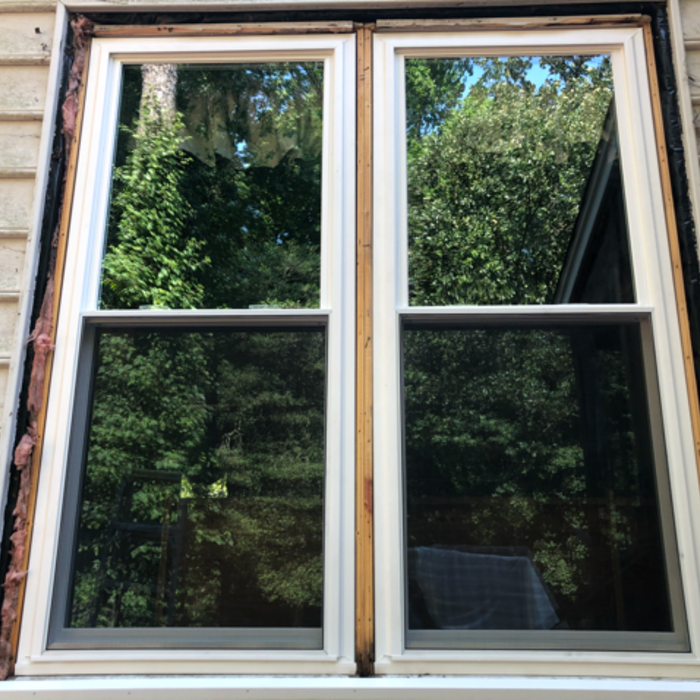
"CJ and his crew do a very complete estimate of the work and what needed to be done the window installation was done in a very proffessional way with a very nice clean up afterward, when there was an unforseen issue that arose due to the age of the house CJ took the steps to inform and the best way to fix it, in the end they got it done!"
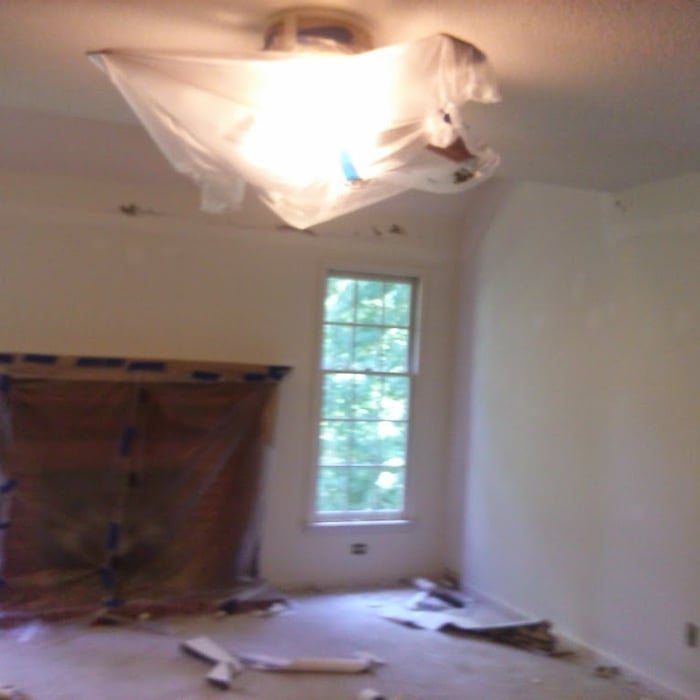
Additional Photos
Additional Photos
Additional Photos
Additional Photos
Additional Photos

+19

Recommended by100%of homeowners
Hargrove's Home Improvement
4.4(
45
)
Bath Exhaust Fan - InstallBath Exhaust Fan - Repair

Serving Harrells, NC and surrounding areas

In business since 2005

Emergency services offered

"Estimated cost for bathroom was $575; final cost was $700 due to additional problems encountered with floor supports. Returned later to fix a buckle in the vinyl near the door. The bathroom floor looks good. Mr. Hargrove had some problems getting into the house because my renter was not always there and I live 150 miles away.
"
Recommended by91%of homeowners
Showing 1-10 of 32
Bathroom Fan Installation questions, answered by experts

Most ceiling fans have a lifespan of anywhere from five to 15 years or 10 years on average. Just how long your ceiling fan lasts depends on the quality of the parts, how much it’s used, and how well you maintain it. A fan with a weak motor that runs on the medium setting nonstop is likely to have a shorter lifespan compared to a fan with a powerful motor that runs on the slowest setting for air circulation.

The more surface area that a ceiling fan blade has, the more effective it will be at producing airflow. Therefore, a longer ceiling fan blade is the better option if you’re looking for more wind. However, a longer blade will consume more energy than a shorter blade.

Wood stove fans are designed to operate quietly, emitting only a subtle hum from their motor. This low noise level ensures minimal disruption in your living space, allowing you to enjoy the warmth without distraction. The fan blades, which are engineered for efficient air circulation, contribute to the overall quiet operation. This makes wood stove fans a practical choice for maintaining a peaceful environment while effectively distributing heat throughout your room or home.

There are many types of ceiling fans, each with specific features and advantages. Standard ceiling fans are a traditional choice suitable for most spaces and can be made from materials like plastic, wood, metal, or fiberboard. For rooms with low ceilings, low-profile fans are a better fit. Other specialized types include smart fans, which you can control with a smartphone or voice commands, and dual-motor fans that provide increased airflow in multiple directions. For energy savings, Energy-Star certified fans can be up to 60% more efficient than standard models, helping to lower your utility bill. You can also find fans with built-in lights, fans with retractable blades, and large ceiling fans designed for spacious rooms with ceilings between 10 and 25 feet high.

You should generally avoid using WD-40 on a ceiling fan. While it might quiet a squeak temporarily, it is primarily an anti-corrosion and water displacement agent, not a true lubricant, and can damage the fan's components over time. Most modern ceiling fans have sealed bearings and do not require oiling, so a squeak may indicate another issue. For fans that do require lubrication, it is better to use a light machine oil, 30-weight motor oil, or a lubricant specifically designed for ceiling fans.

The Harrells, NC homeowners’ guide to bathroom fan installations

From average costs to expert advice, get all the answers you need to get your job done.