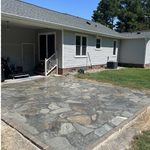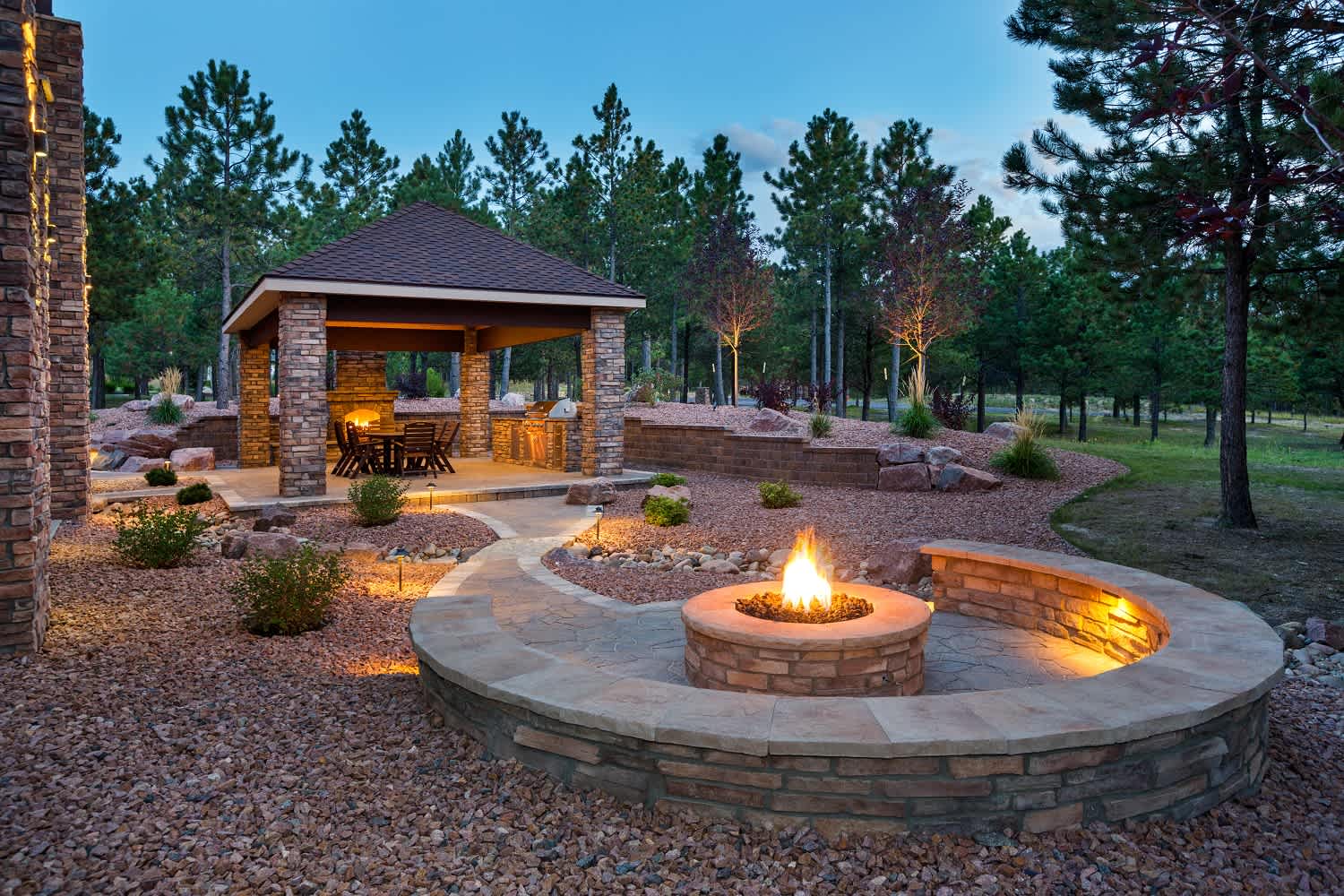



Top-rated fire pit installation pros.

Get matched with top fire pit installation pros in Grifton, NC

Enter your zip and get matched with up to 5 pros

Need a pro for your fire pit installation project in Grifton, NC?

Select your specific project to find the pro for you.

TRUSTED BY GRIFTON, NC HOMEOWNERS

  • Average homeowner rating star icon4.6
    Average homeowner rating
  • Verified reviews icon116
    Verified fire pit installation services reviews

Find Fire pit installation pros in Grifton

No results for Fire pit installation pro in

Try adjusting your search criteria.
Fire Pit Installation questions, answered by experts

The primary disadvantage of a ventless fireplace is that it doesn’t have an exterior venting system. This means that the byproducts from combustion are emitted into your home, which raises some safety concerns. In addition, ventless gas fireplaces produce moisture as they burn—and if there’s no ventilation, you could end up with a mold problem.

Absolutely! Smoke alarms are lifesavers. According to the National Fire Protection Association (NFPA), per 1,000 reported home fires, homes without working smoke alarms have a death rate nearly twice as high as those that do have working alarms. So remember to ensure you have enough installed in your home and that they are working and in good shape.

As with any smoking appliance, a smoking oven is a concerning fire risk. It also negatively impacts your indoor air quality, which can put vulnerable people at risk of breathing problems. A dirty oven can catch fire if you don’t stay on top of regular maintenance, so remember to check your oven for signs that it’s time for a cleaning and remove buildup every three months to stay on the safe side.

No, a chirping smoke alarm is usually a sign of an issue with the power supply of the unit. This is easily solved by replacing the battery to stop the smoke alarm from beeping. If the chirp continues, review the owner’s manual to determine the cause. These chirps are short and not as loud as the beeping of the alarm itself. If you can’t tell the difference, it’s best to treat it like an activated alarm until you find the cause. 

Generally, an oil furnace is considered safer than a gas furnace for several reasons. While both types of furnaces can produce carbon monoxide, a leak in an oil furnace is easier to detect due to the smell. Oil furnaces also don't connect to a gas pipeline, which reduces the chance of a fuel leak. Most importantly, heating oil is not combustible, whereas natural gas is highly flammable. This means there is a much lower risk of combustion or explosion with an oil furnace. However, an oil furnace can still pose a fire hazard if it tips over.

The Grifton, NC homeowners’ guide to fire pit installation services

From average costs to expert advice, get all the answers you need to get your job done.