
Top-rated electricians.

Best electricians near Cove City, NC

Enter your zip and get matched with up to 5 pros

Need a pro for your electrical service project in Cove City, NC?

Select your specific project to find the pro for you.

TRUSTED BY COVE CITY, NC HOMEOWNERS

  • Average homeowner rating star icon4.6
    Average homeowner rating
  • Verified reviews icon185
    Verified electrical services reviews

Top-Rated Electricians in Cove City - Updated Nov 2026

Avatar for W B Lightning Rods
W B Lightning Rods
4.6(
372
)
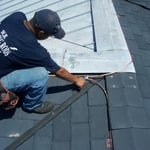
Lightning Protection - Install or Repair

Serving Cove City, NC and surrounding areas

Approved

In business since 2001

Free estimates

Warranties offered

"We have been hit twice by lightning by God's grace either one hit our home however the last strike burnt art motorhome to the ground William was hired to install lightning protection lightning rods on our home and two out buildings he took the time to explain to us everything we needed to know answering every question professionally conducted himself in the utmost professional manner I would highly recommend lightning rods and even more highly recommended hiring William to do the job we are going to do an expansion later on and he will be the one and only contractor I will call to continue our lightning protection"
lightning protection
 Residential LPS
lightning protection
 Residential LPS
lightning protection

+79

Response time1 day
134 neighbors recently requested a quote
Recommended by96%of homeowners
Avatar for Kai Parson Electric LLC
Kai Parson Electric LLC
5.0(
3
)
Electric Vehicle Charging Station Installation - Materials Not ProvidedElectrical Switches, Outlets & Fixtures - Install or RepairElectric Vehicle Charging Station Installation - For Business - Materials Not Provided+9 more

Serving Cove City, NC and surrounding areas

Approved

In business since 2025

Free estimates

Credit card accepted

We’re a locally owned and operated company that values honesty and integrity and treats your home as if it were our own. Our services are customized to the individual project, paying close attention to the details of each project that we're involved with. We pride ourselves on the quality of our work as well as our commitment to outstanding results. We look forward to building lasting relationships and guaranteeing your satisfaction!

project photos
2 neighbors recently requested a quote

...
Showing 1-10 of 107
Electrical FAQs, answered by experts

Inverter generators are designed to turn on the engine when your appliances demand more energy. This is in contrast to running at full capacity as soon as they’re turned on, like a standard portable generator does. So long as the wattage rating is high enough, an inverter can power a refrigerator just as well as a traditional generator.

To upgrade electrical systems in older homes, you might need to reroute new wires with lath and plaster walls. That’s because it’s more challenging to get inside the walls of an older home compared to a modern home, which usually uses drywall. But there are easier ways to level up your electrical game in an older home. For instance, you can swap out an old furnace for a new electric heat pump, or you could use a heat pump for water heating.

In many cases, yes, upgrading your electrical panel can lower your electric bill. Upgrading an outdated electrical panel can make your home more energy-efficient, so you consume less electricity and spend less on utility bills. However, to see these savings, you’ll need to invest quite a bit. On average, installing a new electrical panel costs $1,200 to $2,000, with most people paying around $1,600.

Amps describe the amount of energy that can flow through a circuit breaker. Every electrical device that’s attached to the breaker requires about 1.5 amps. While that equates to roughly 13 receptacles per 20 amps, using slightly fewer ensures that your circuit will always have enough energy for sudden power surges instead of tripping when one occurs. In general, 10 to 12 receptacles is recommended for a 20 amp circuit.

Motion sensors are actually an eco-friendly option and don’t use as much electricity compared to other lighting sources. Motion sensor lights are always on “standby,” which requires a phantom source of power at all times, but for most sensor light models, this is only a small amount of electricity—typically around one watt of power.

The Cove City, NC homeowners’ guide to electrical services

From average costs to expert advice, get all the answers you need to get your job done.