



Top-rated electricians.

Get matched with top electricians in Farmville, NC

Enter your zip and get matched with up to 5 pros

Need a pro for your electrical service project in Farmville, NC?

Select your specific project to find the pro for you.

TRUSTED BY FARMVILLE, NC HOMEOWNERS

  • Average homeowner rating star icon4.6
    Average homeowner rating
  • Verified reviews icon177
    Verified electrical services reviews

Find Electricians in Farmville

Avatar for W B Lightning Rods
W B Lightning Rods
4.6(
372
)
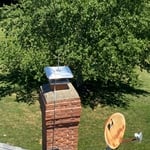
Lightning Protection - Install or Repair

Serving Farmville, NC and surrounding areas

Approved

In business since 2001

Free estimates

Warranties offered

"WB Lightning is focused on customer service. The company provided good communication and responded very quickly to my inquiry for a quote. WB Lightning is a respected company, I had another electrical service provider tell me I made a good choice when I hired WB Lightning Rods."
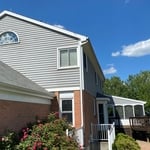
lightning protection
 Residential LPS
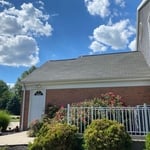
lightning protection
 Residential LPS
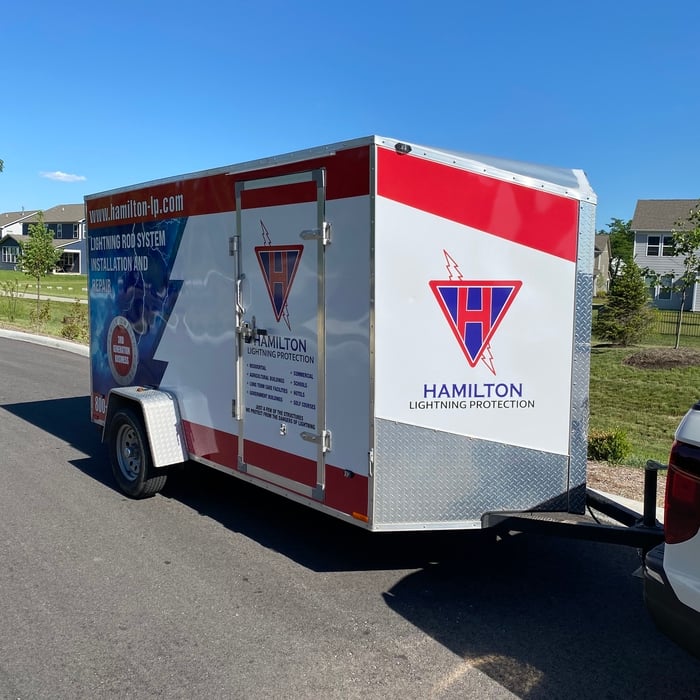
lightning protection

+79

Response time1 day
180 neighbors recently requested a quote
Recommended by96%of homeowners
Avatar for Jeremy Williams
Jeremy Williams
5.0(
13
)
Appliance (Major Electric Appliance) - Install or Replace

Serving Farmville, NC and surrounding areas

Approved

Super Service Award Winner

In business since 2018

Free estimates

Emergency services offered

"Jeremy was awesome! I came from out of town to do some upgrades on my parents bathroom and ran into some electrical issues. He was on time, came in and got right to business. Very professional and even went the extra mile to fix some minor safety issues. He worked until he was able to pinpoint issue which was so minor we all just laughed. Thank you, Jeremy!! Awesome job!!"
Response time2 days
Response rate90%
20 neighbors recently requested a quote

...
Showing 1-10 of 144
Electrical questions, answered by experts

The standard copper wire gauge to use with any 30-amp circuit is a 10-gauge wire. The National Electric Code specifies a 10-gauge wire with appliances like water heaters running on 30 amps. If you try to use a smaller gauge wire, such as a 12 gauge, with a 30-amp breaker, you run the risk of the wire overheating and melting or causing a fire. Because of the safety hazards, the gauge of the wire is not an area to try to cut costs when connecting a 30-amp breaker to a water heater.

No, it is not safe to use an outlet that sparked. A spark from an outlet could indicate a short circuit, loose or frayed wiring, or other serious damage. Continuing to use an outlet that sparks can increase the risk of electrical shock, electrical fires, and other hazards. It's important to turn off the power to the outlet at the circuit breaker if possible and avoid using the outlet until a licensed electrician has inspected and repaired it.

While most electrical items can be plugged into a GFCI outlet, some appliances with internal or stationary motors, such as refrigerators, vent fans, and fluorescent lighting, can cause nuisance tripping. This happens because they experience a small, normal amount of current leakage, which can cause the GFCI to trip even when the appliance is working correctly. Although this is not a safety hazard, it can be inconvenient and may cause the GFCI outlet to wear out faster. For this reason, it is often better to plug these types of appliances into a standard outlet. Additionally, electrical circuits over 100 feet long can sometimes cause tripping. Some appliances, like hair dryers, have their own built-in GFCI protection, so connecting them to a standard outlet is fine.

You should never unplug or touch a buzzing outlet. If there are appliances plugged in that are causing the buzzing, wait until the appliance is turned off (or turn it off yourself) and then unplug it from the outlet. Test the outlet by plugging in something that won’t use much power—a small lamp works well. If the outlet still buzzes, have a pro investigate why.

Soldering is a reliable and durable way to connect wires, but it isn't the only method. Nowadays, professionals often crimp the connection instead—although this requires a higher degree of skill than soldering.

The Farmville, NC homeowners’ guide to electrical services

From average costs to expert advice, get all the answers you need to get your job done.