



Get matched with top radon detection and reduction specialists in Coinjock, NC
Top-rated radon detection and reduction specialists.

Need a pro for your radon detection and reduction project in Coinjock, NC?

Select your specific project to find the pro for you.

Find Radon detection and reduction specialists in Coinjock

Avatar for SWAT Environmental, Inc.
SWAT Environmental, Inc.
4.3(
63
)

Serving Coinjock, NC and surrounding areas

In business since 2002

Free estimates

Credit card accepted

"I can not recommend this company highly enough. If you have ANY concerns or questions regarding radon give them a call. They will give you an honest assessment and recommendations tailored to your specific situation. Overall a great experience!"
Recommended by89%of homeowners
Radon Detection and Reduction questions, answered by experts

No level of radon is technically safe, but since it is present everywhere, complete avoidance is impossible. The average radon level in homes across the United States is 1.3 picocuries per liter (pCi/L). The Environmental Protection Agency (EPA) recommends taking preventative measures if your home's radon levels are between 2 and 4 pCi/L or higher.

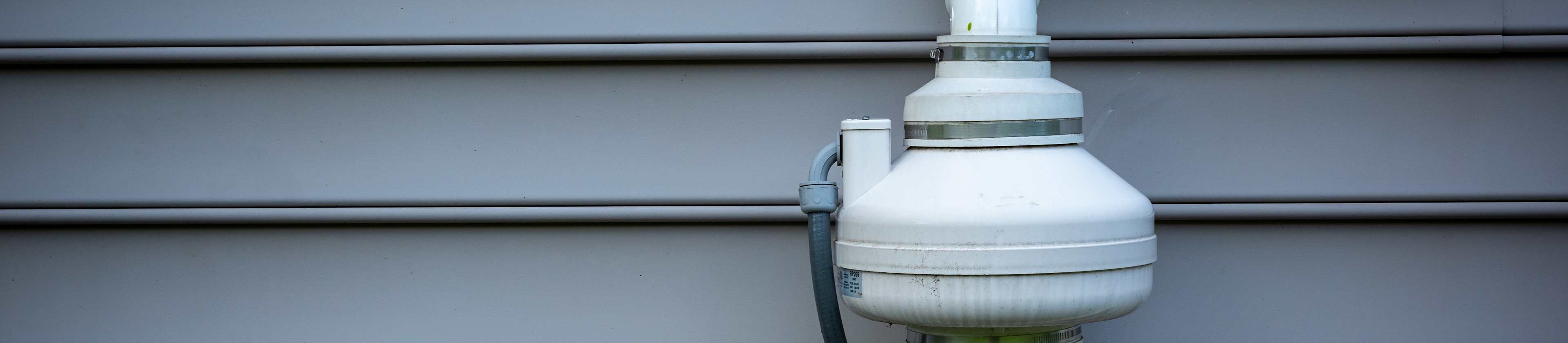
The fan that pulls the radon out of the air needs to run continuously, so you may see an increase in your electric bill once you install the mitigation system. Additionally, you may see an increase in your heating or cooling bills, as the fan can cause some loss of hot or cool air.

Radon is present almost everywhere but, like sunlight, the concentration levels and how often you are exposed to it have a large part to play in just how dangerous it is. There are levels of radon that are acceptable inside a house, but above a certain limit, radon becomes a serious radioactive hazard that is a known cause of lung cancer. In fact, radon exposure is the number two leading cause of lung cancer (after smoking).

Long-term exposure increases lung cancer risks. Prolonged homestay individuals and smokers encounter heightened vulnerability and exposure concerns.

The average radon mitigation system uses about 876 kWh of electricity per year, although the exact amount of electricity used will vary depending on the size of the radon fan. Once the system is installed, the annual increase to your energy bill could range from $30 to $300 per year, again depending on the size of the fan.

The Coinjock, NC homeowners’ guide to radon detection and reduction services

From average costs to expert advice, get all the answers you need to get your job done.