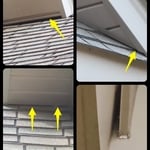
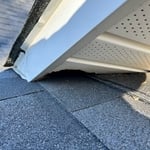
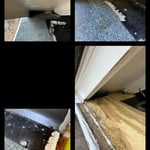
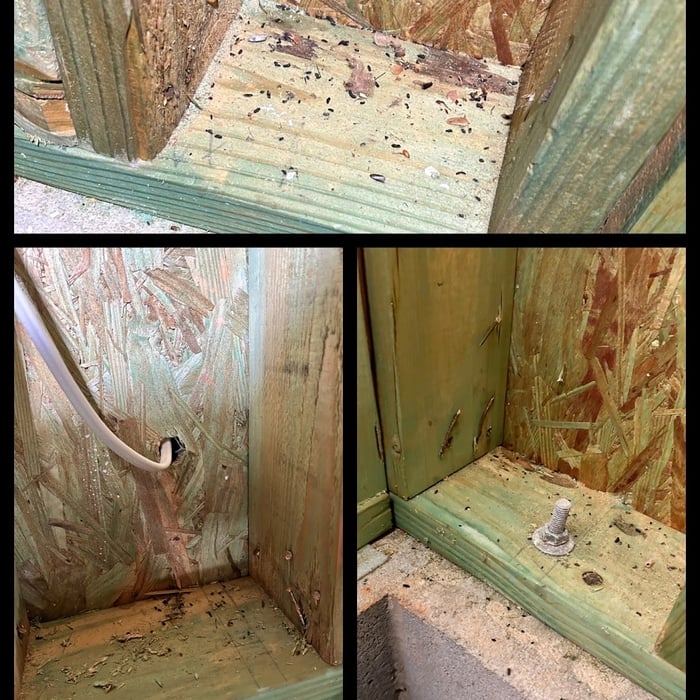
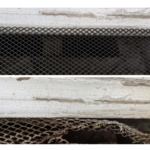
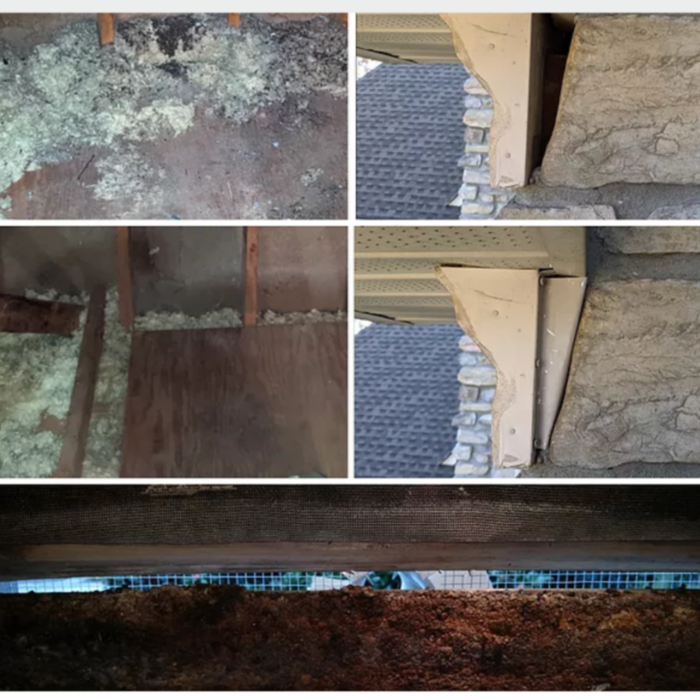
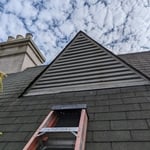
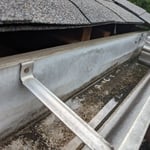
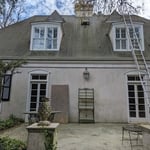
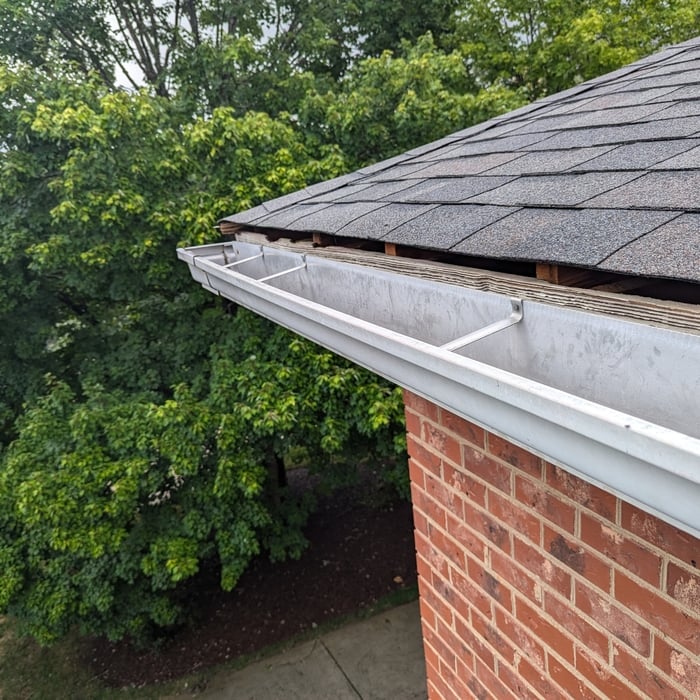
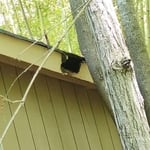
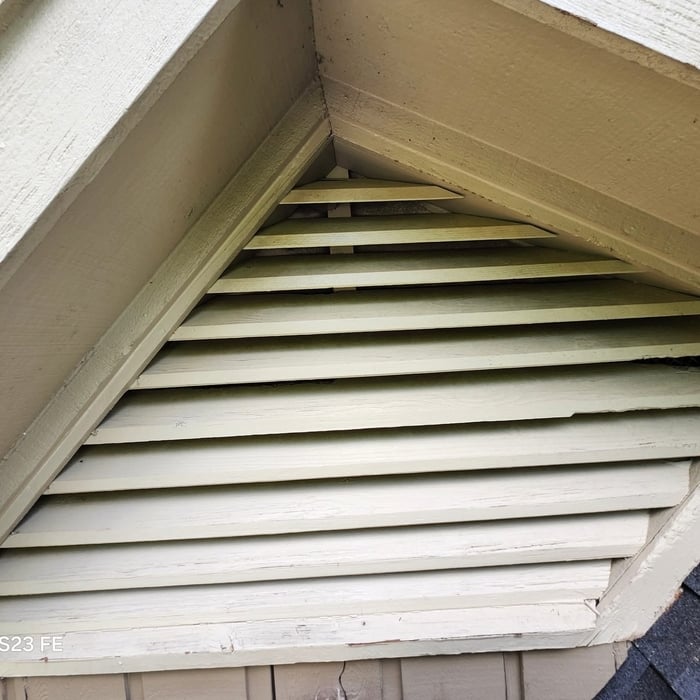
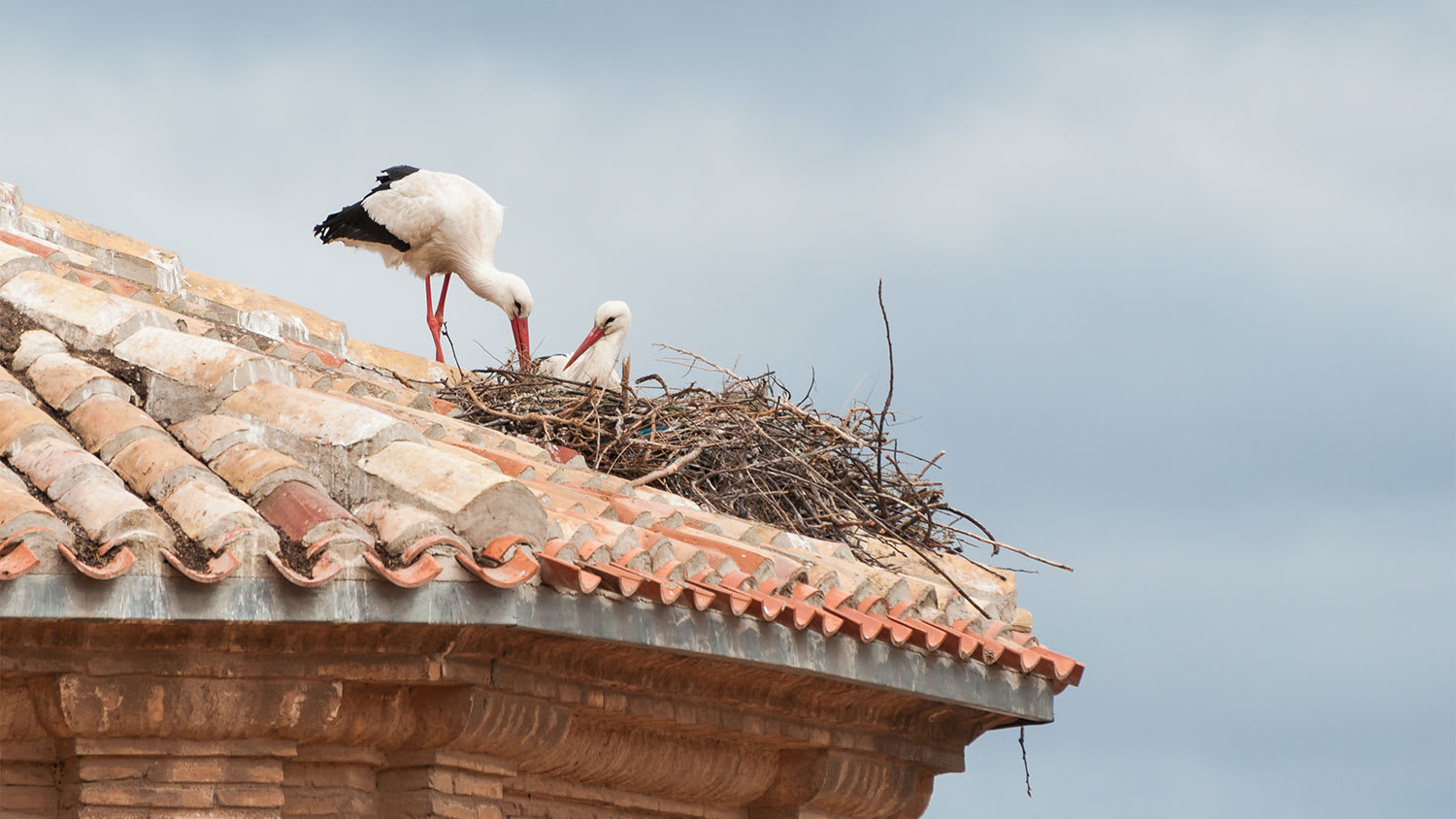
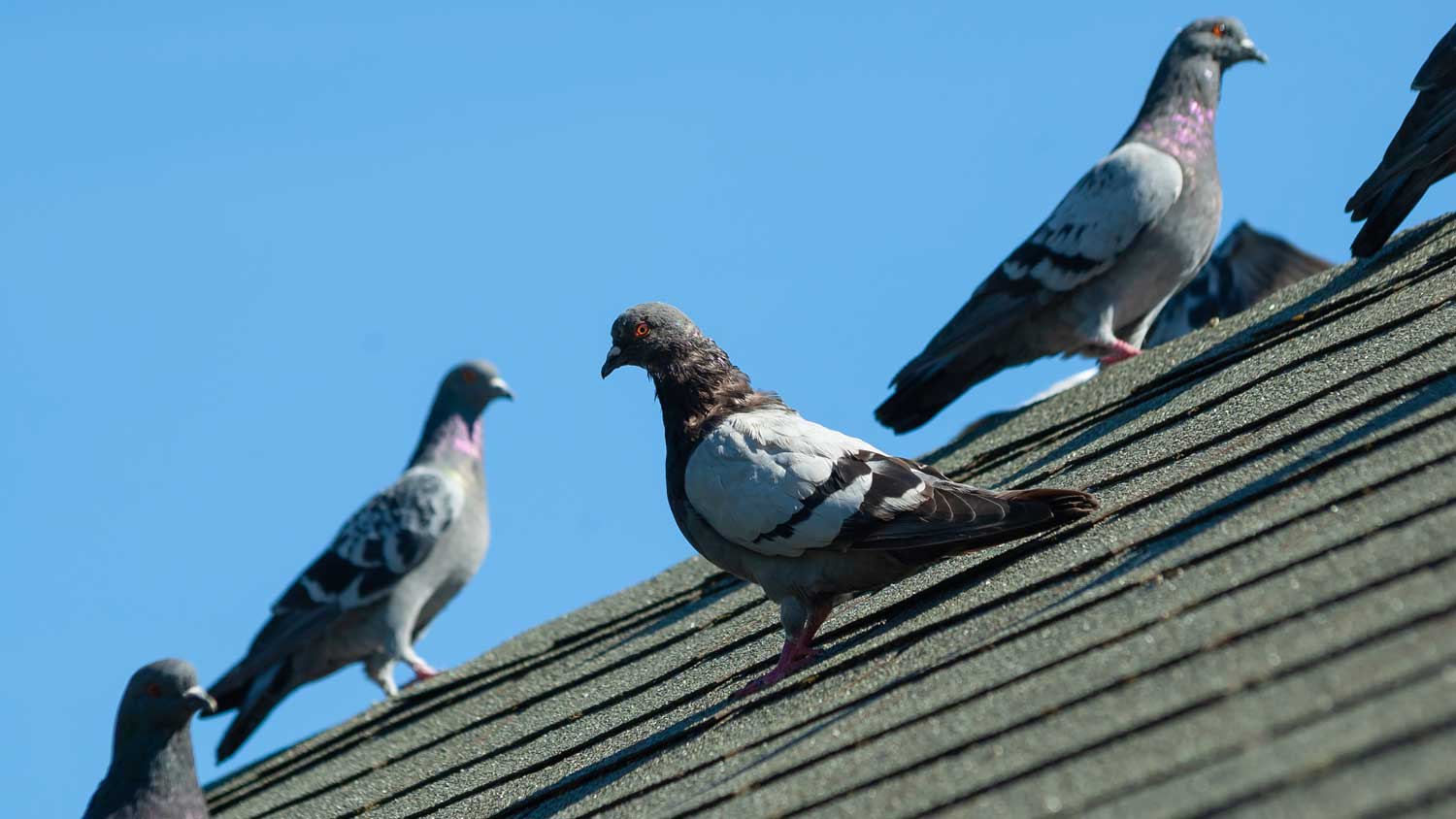
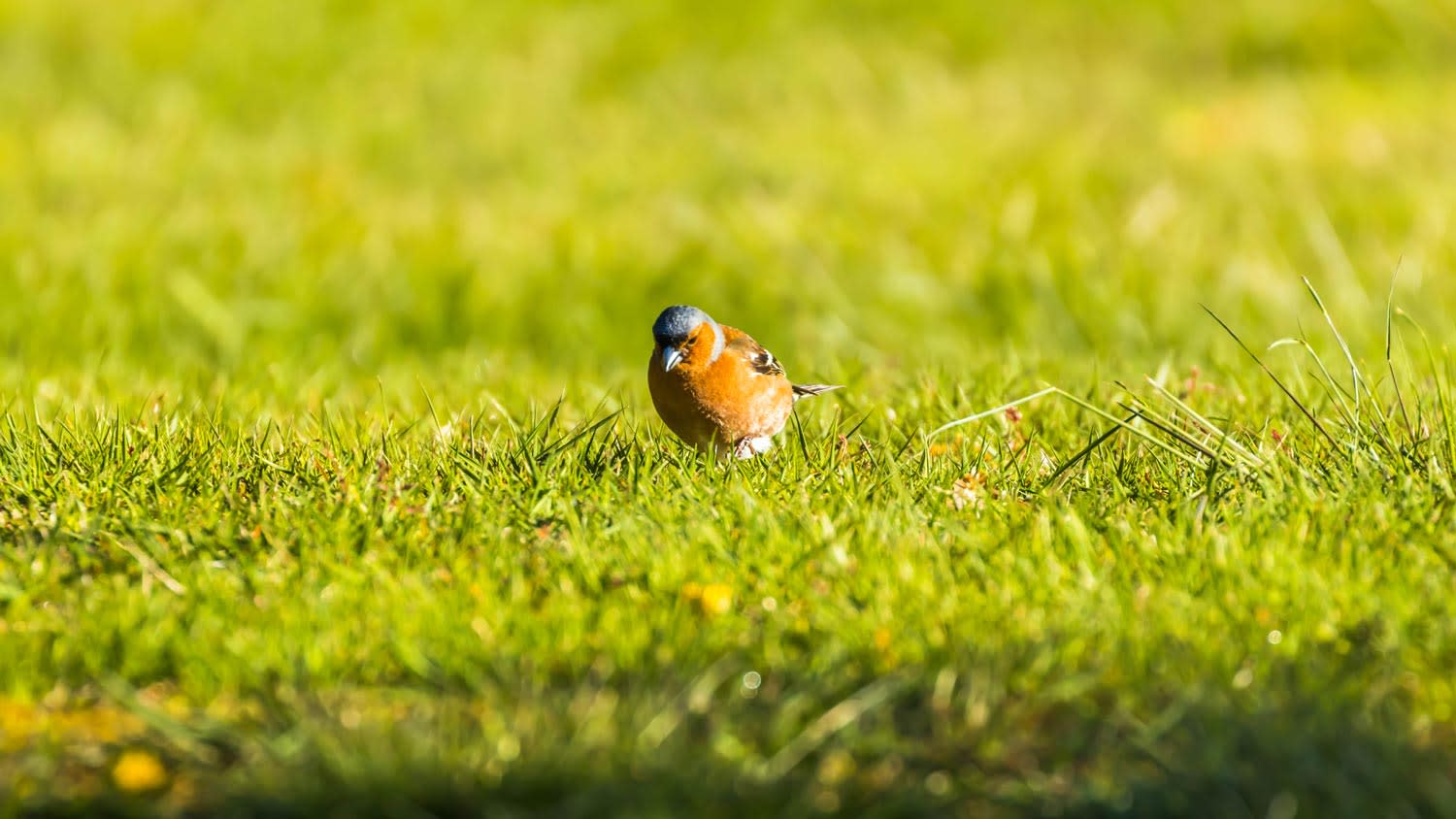
"They came over the same day and within 30 minutes had gotten rid of the birds nest and covered it with a pest cover. And they found another vent in the soffit that was missing a cover and patched that up as well. Great service, job well done, very responsive. Could not be happier with the service. Thank you."
"We were having a problem with squirrels in our attic. We had a roofer repair the entry hole, but after about 6 months, the squirrels chewed two new entrances into our attic, one of which was right next to the original repair. We decided weâ d best contact a wildlife removal company. After calling several companies, we were impressed with Nathan, the owner of SoloCal Wildlife Removal. He was polite and informative. He took an online screen shot of our home and indicated on the photo where he thought our house was vulnerable, and he was exactly right. We asked him to come out and give us an estimate because of his initiative and professionalism. We ended up selecting SoloCal Wildlife Removal for the reasons above, but also for his reasonable pricing, and the fact that he is a local small business owner. Nathan promptly took care of our squirrel problem and thoroughly and neatly repaired the entry holes. Plus, he guarantees his work for a year. We would certainly recommend him to others."
"I received an immediate call from the owner, Tony, who scheduled to come out on the same day. We scheduled for 1:00pm but it was about 3:30pm before he arrived. I ended up calling him as he was tied up checking wrapping up another job. Tony came and accessed the issue and did a GREAT job of explaining how he needed to resolve the issue. I had birds that had started to nest in an outside air vent. Tony removed two nests, sprayed and covered up both air vents. He was professional and I would definitely recommend hiring him. Price was fair and there were no surprises. He came back out on Sunday (today) to finish installing two other covers that he was unable to finish on yesterday as he did not have the covers on his truck."
"Justin came out the same day I called and began the process of setting traps for squirrel removal. He also sealed and secured the attic and other vulnerable areas. Excellent knowledge and work!"
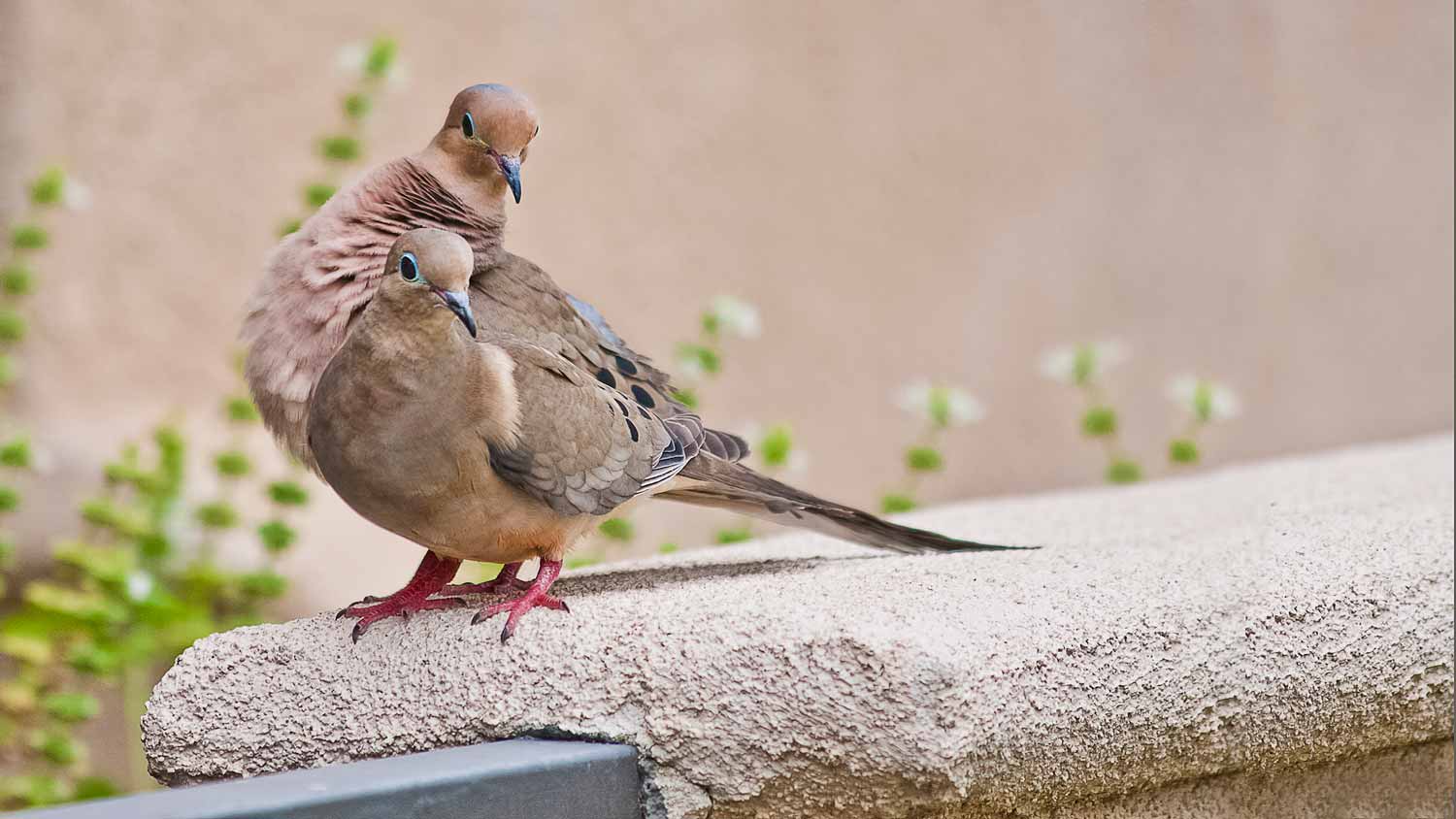
"Jason and assistant were very prompt in time of arrival, and took great care to explain everything relating to the clearing of birds nesting within multiple air vent outlets of our home. Work was completed in a timely manner and appeared to be effective in resolving the problem of the birds that had invaded our air duct outlet vents. Additionally, Jason took extra care in safely extracting a couple of baby birds and after reconstructing their nest, placed that nest in a nearby tree to allow those infant birds a chance of survival success."
"Yes, they were everything I wanted to have done. Avispa’s employee did an excellent job. I would recommend them to anyone who is looking for pest control."
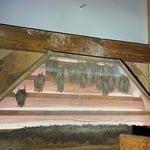
"They were suppose to take the shutters off and wash them, but they could not get the shutters off. Once off, they were going to put a material in the back of them so that bats would not be able to enter under our shutters any longer. Instead, they had to fill them with foam. "
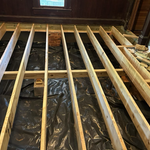
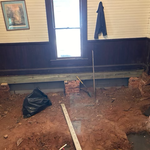
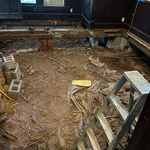
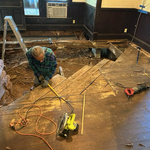
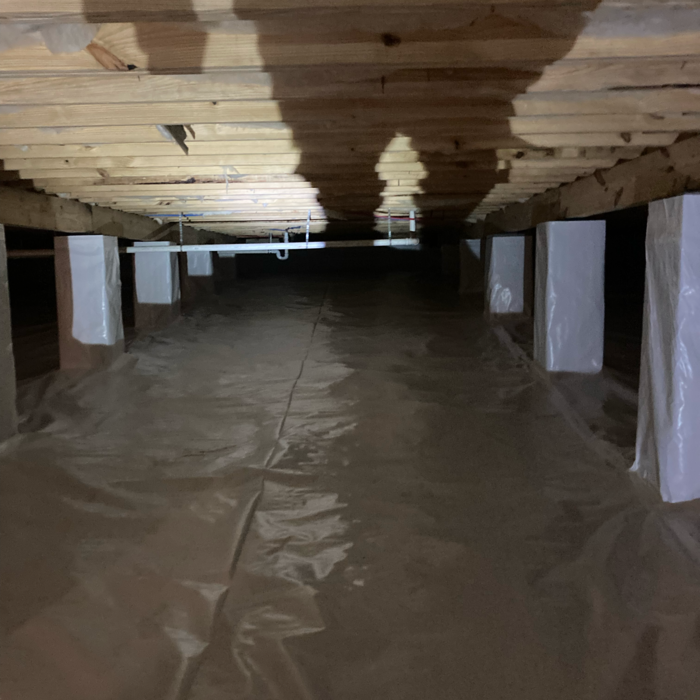
"I have been a customer of Bugg Busters Inc. for 15 years. I met the owner Gary Ward at one of my rental homes on the first visit. He was honest and told me that nothing was needed at the home in the area of Termite work. I started using Bugg Busters after that at all my rentals and at my home. Bugg Busters completed waterproofing at my office in Lincolnton last year. I had water pouring in from the road out front of my office. The Bugg Busters team installed a drain system and treated my building for termites. They also put down plastic to control the moisture. My favorite service they offer is the EZ Breathe which is a house ventilation system. No more bad odors from my dogs or from that crawl space. I have the Ez Breathe at my home, office and my mothers house. I will continue to use this company for years to come."
Strong scents like peppermint, rosemary, lavender, citronella, and others can repel woodpeckers—as pungent smells can overpower their senses. For that reason, you might consider making a homemade spray with one or a combination of these scents to spritz around areas of your home where woodpeckers frequent.
Natural swimming pools are designed to deter pests, including mosquitoes. While any body of water can potentially attract pests, the natural filtration system keeps the water clean and constantly moving. Mosquitoes specifically are attracted to standing water, so the continuously circulating water in a natural pool makes it an inhospitable environment for them.
Studies indicate that owls don't possess a conventional sense of fear. However, they find intense, sudden human noise unsettling, like clapping or shouting. Additionally, owls are likely spooked by sudden bursts of bright light. While they may not experience fear as humans do, these disturbances can disrupt their natural behaviors, making it essential to minimize such disruptions when sharing spaces with these remarkable creatures.
A treatment from a pest control service can last anywhere from 3 to 6 months, depending on the type of treatment, what pest it’s treating, and what environment you live in. This is why pest control service companies often offer packages where they come out multiple times a year to apply treatment to the outside or inside of your home.
Maintain sealed entry points, use deterrents like spikes or sonic devices, and keep areas clean to discourage nesting.
The Charlotte, NC homeowners’ guide to bird control services
From average costs to expert advice, get all the answers you need to get your job done.
Find out the average bat removal cost in Charlotte, NC. Learn what you can expect to pay for local wildlife control and safely exclude bats from your home.
Whether you have bugs, bats, or rodents invading your home, you’ll want to contact an exterminator quickly. Find out how much pest control costs in Charlotte, NC.
Sometimes birds nest in unwelcome places. Find out how much bird nest removal will cost based on factors like location, bird species, and preventative measures.