
When hiring a sewer line company, you need to consider more than just the quoted price. Make sure to check that the company or contractor is licensed, certified, and insured to protect you both. Check for positive reviews, and you can even request references for extra peace of mind.
To find the best contractor, you might also want to consider how long the company has been in business doing sewer line cleaning and if they’ve won any industry awards for their work and service. Review potential contracts closely, and look for transparent pricing.
If you’re wondering whether rats can come up the toilet, the unfortunate answer is yes, it’s possible, though it’s extremely rare. These rodents are excellent swimmers and can travel through sewer pipes in search of food, and they may follow plumbing lines leading to your home if they’re drawn by the scent of scraps and waste. The toilet’s U-bend holds a small pocket of air, which can help a rat catch its breath before making its final push into your bathroom. While more common in cities with larger rat populations, this can happen anywhere with connected sewer systems; sealing entry points and keeping drains clean can help reduce the risk.
Ejector pumps can only push sewage 750 feet or less. That’s because their purpose is to move waste from your home to your sewer line—which is a relatively short distance. Grinder pumps can transport sewage further, but they manage lower volumes of waste than ejector pumps (and they don’t work with septic systems).
The cost to unclog a drain varies based on the location and severity of the clog. For simple clogs within your home, such as in a sink, toilet, or shower, hiring a plumber typically costs between $110 and $350, with an average of around $200. Snaking a toilet or sink usually costs between $110 and $275, while a bathtub or shower clog costs about $225.
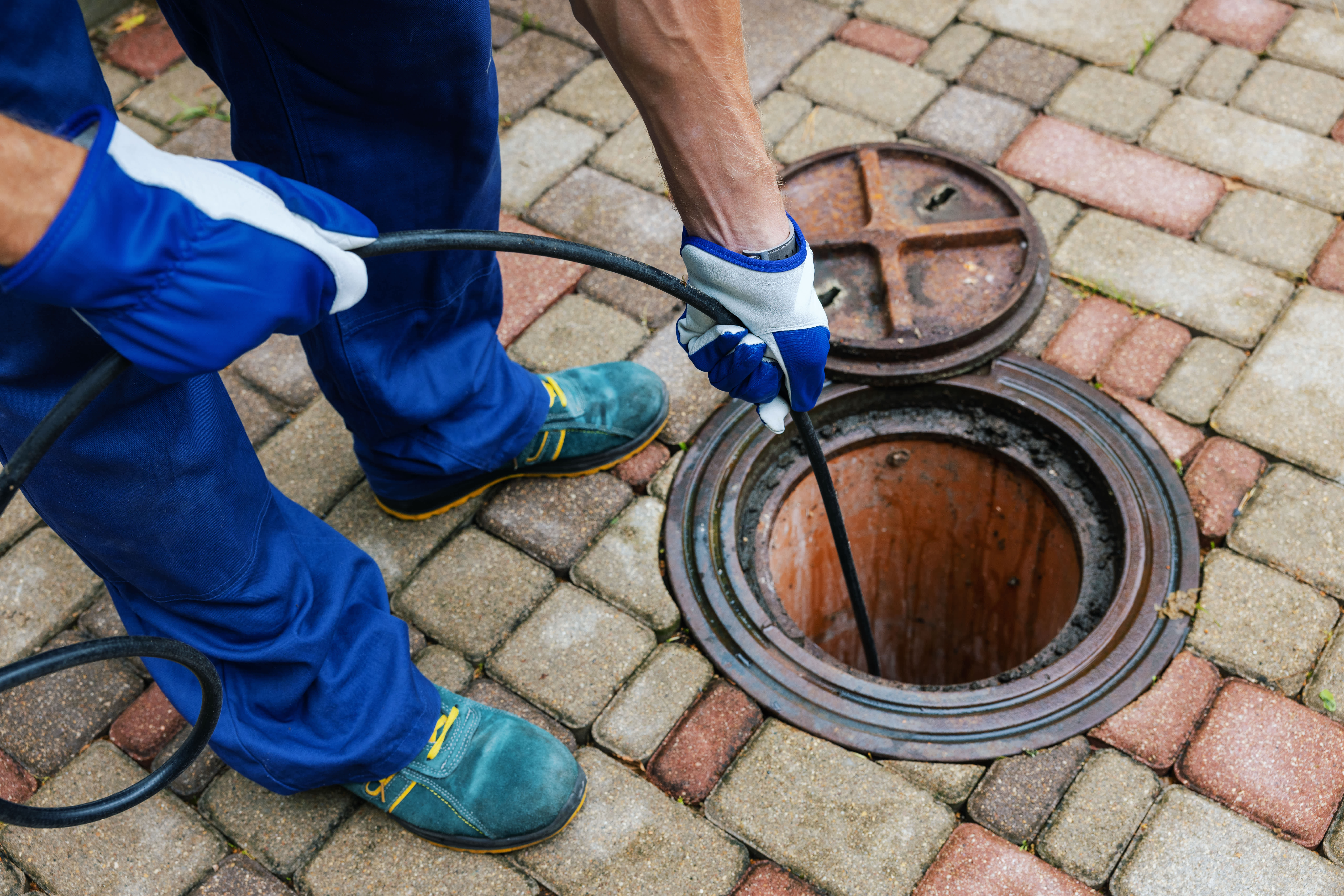
For a more serious clog in the main sewer line, the cost is higher. Clearing a main line clog generally costs between $200 and $600, with an average of about $380. However, prices can range from as low as $100 for snaking a minor clog to over $1,600, particularly if advanced methods like video inspection and hydrojetting are needed for a large or hard-to-reach blockage. Some severe main line clogs can cost upwards of $1,000 to clear depending on factors like the cause of the clog, its distance from an accessible cleanout, and whether the pipe is located beneath an occupied space (e.g., in an apartment building). You may be able to save money on minor clogs by using a drain snake or bladder yourself.
In the majority of cases, homeowners insurance will not cover a main sewer line root clog. The reason is that most insurance companies consider tree root damage to sewer lines as common wear and tear, which is also preventable. However, you may be able to buy optional add-on coverage, such as "service line coverage" or "sewer line endorsements," that would protect against root damage to your sewer line.
The Beach, ND homeowners’ guide to sewer cleaning services
From average costs to expert advice, get all the answers you need to get your job done.
A clogged main sewer line can lead to gas or wastewater leaks. Find out what main sewer line clog repair costs by type of service, clog severity, and more.