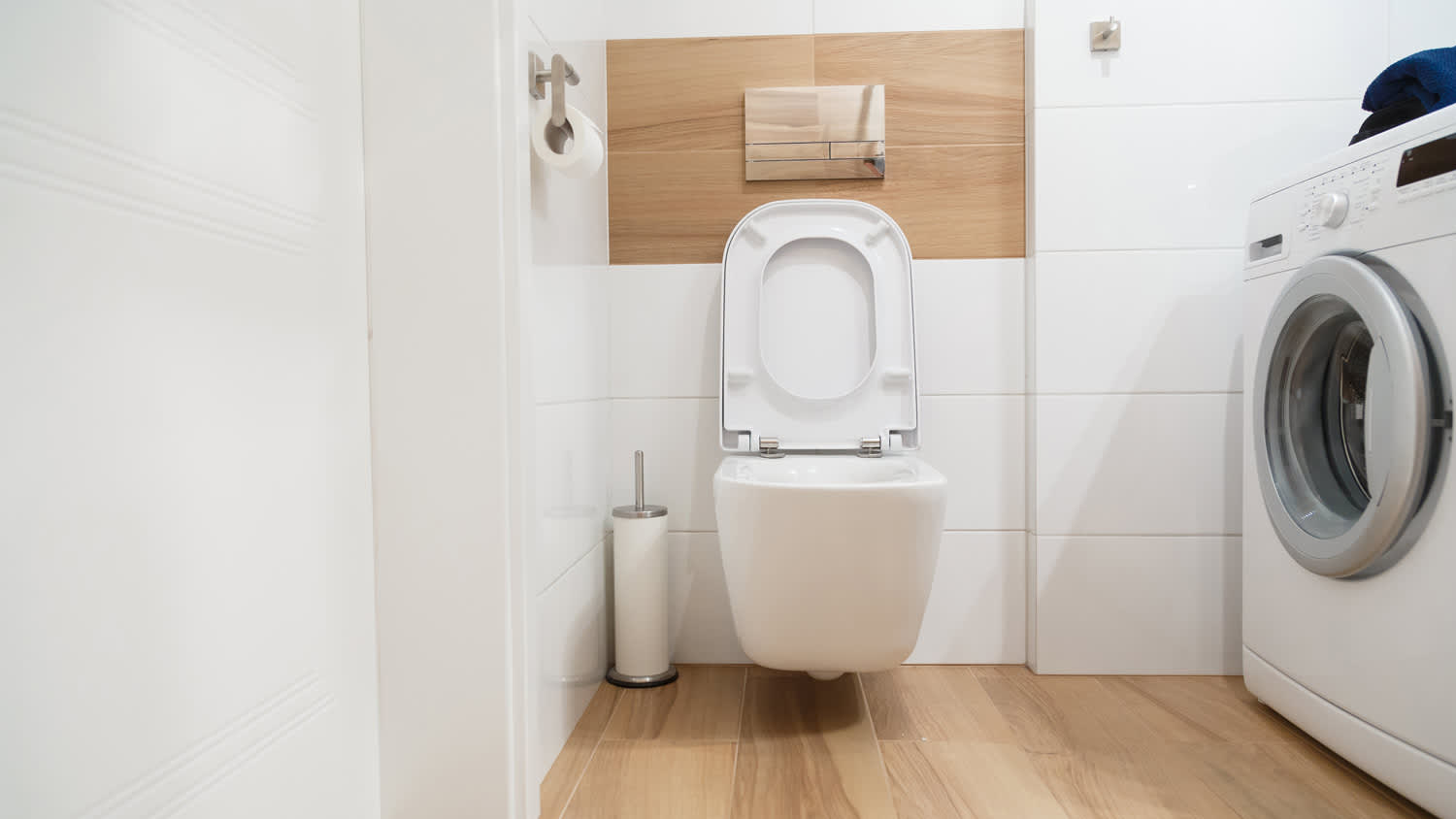
Cat pee has a strong ammonia-like smell, so if you smell cat pee but don’t have a cat or don’t suspect your cat has any accidents, there could be other issues at hand. Aside from pet urine, your house may smell like cat pee from leaking freon from an old fridge, mold, spilled cleaning supplies, or even outside odors from nearby farms.
Yes, many services include camera inspections to identify the cause of the blockage. Confirm with your provider.
DIY is not recommended due to safety risks and specialized equipment requirements. Hire professionals for effective clearing.
The best drain cleaners are biodegradable ones or a mixture of baking soda and vinegar. Strong, caustic chemicals may seem appealing with promises of unclogging your drain quickly, but liquid drain cleaners can cause damage to your pipes over time. Consider making your own drain cleaner with baking soda and vinegar.
Bleach isn’t likely to help unclog a sewer line. Bleach isn’t useful in this situation because it won’t dissolve the grime and debris in the clog. Instead, you want to use ingredients that will have a chemical reaction to clear out the buildup, like vinegar or salt and baking soda.
The Savage, MT homeowners’ guide to sewer cleaning services
From average costs to expert advice, get all the answers you need to get your job done.
A clogged main sewer line can lead to gas or wastewater leaks. Find out what main sewer line clog repair costs by type of service, clog severity, and more.
The best way to keep your sewer line running smoothly is with some regular maintenance. But don’t worry—it doesn’t take much effort. Read on to learn how.
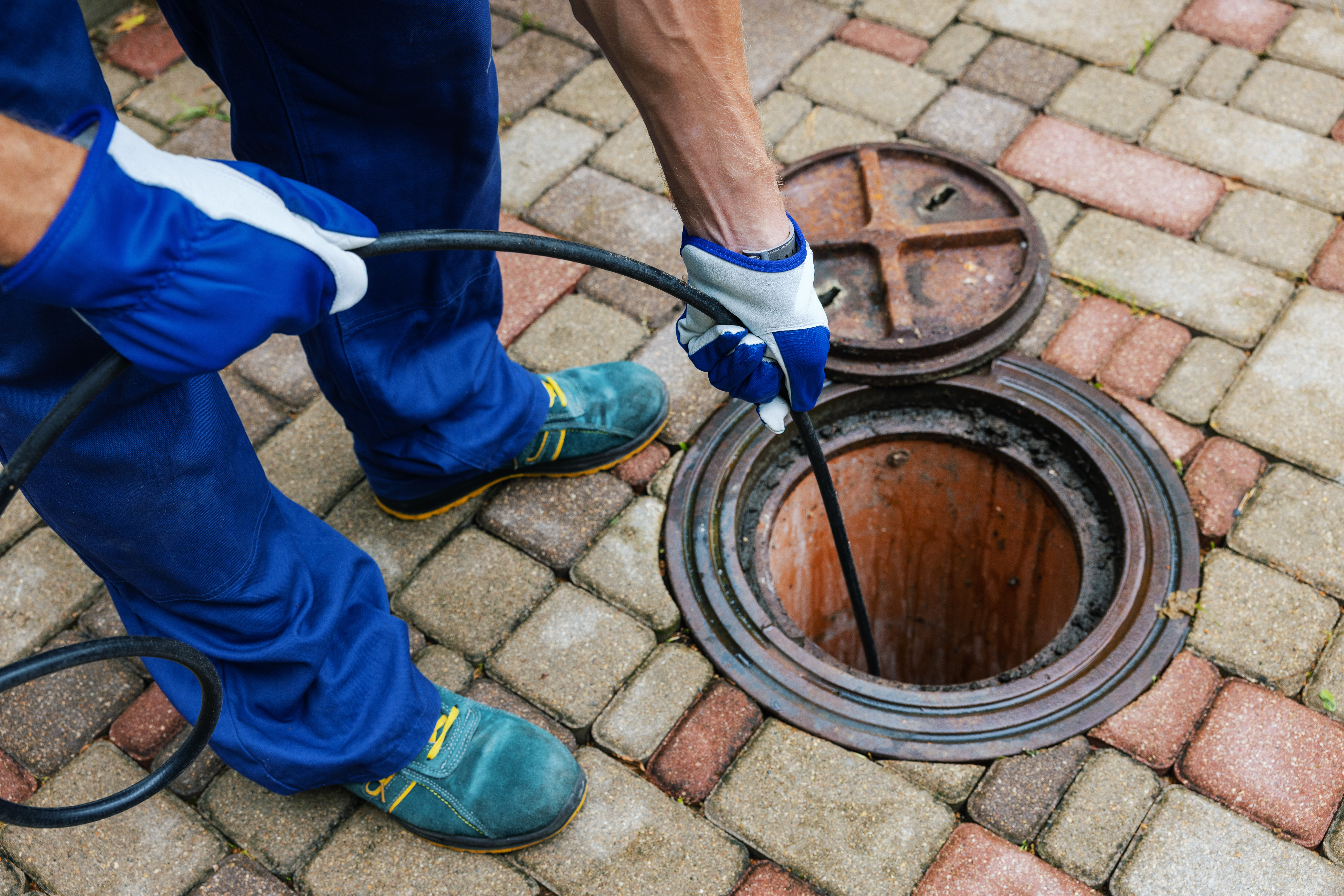
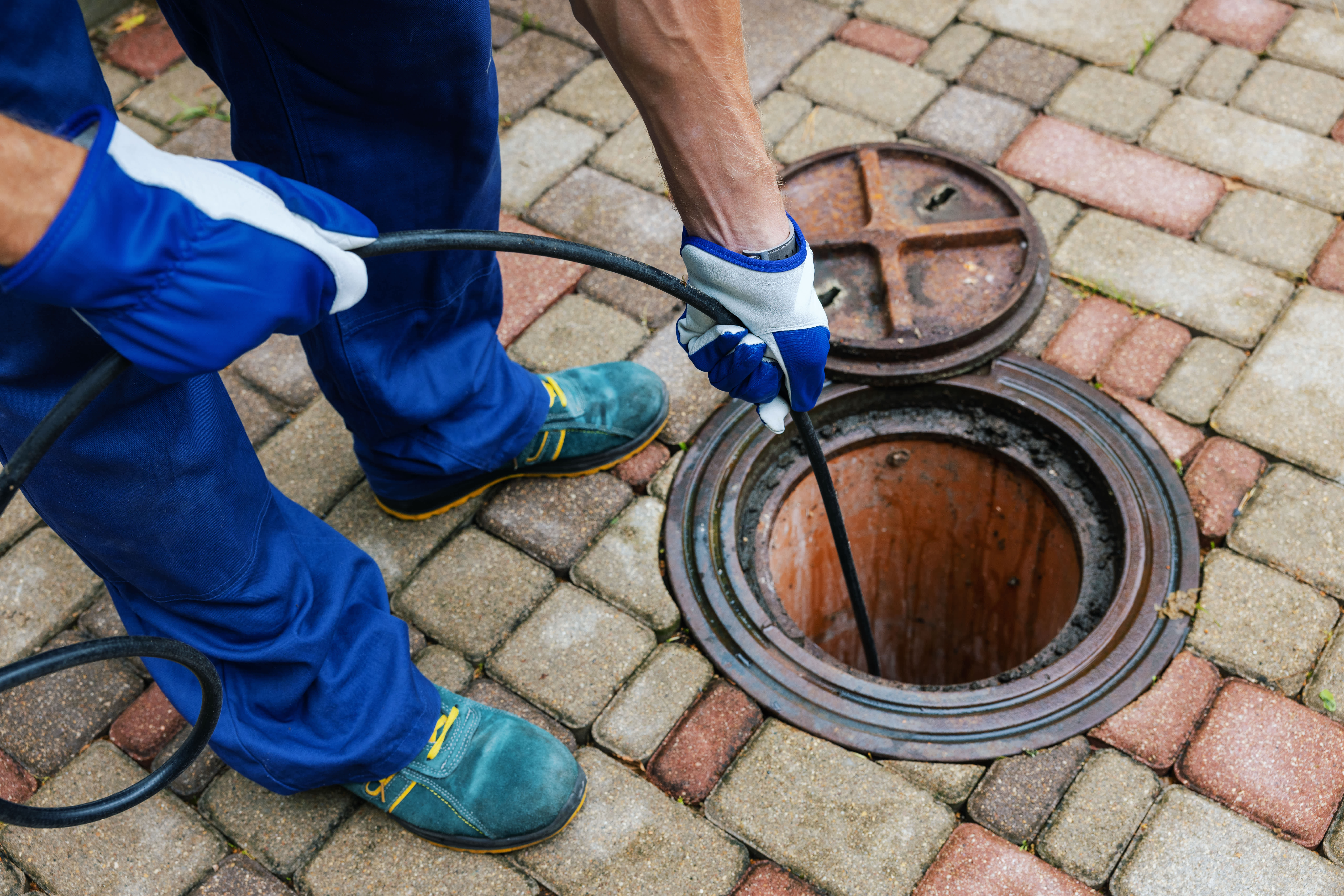
When was the last time you gave your sewer system some attention? If it’s been a while, it might be a good idea to clear any debris out of your sewer line.