Doorbell Installation questions, answered by experts
It is usually possible to install insulation yourself, but it’s often better to hire an insulation professional. An experienced insulation pro can determine which type of insulation is best for your space and the R-value get the most value and comfort in your home. Certain types of insulation can cause skin, eye, and lung irritation, and a professional will have the equipment necessary to keep themselves safe and limit the effect on your indoor air quality after the installation. Certain types of insulation—like blown-in and loose-fill insulation—demand a professional for proper functionality and safe installation.
Insulating windows with plastic works, but it can be time-consuming, and the end results can—and often do—end up lacking in aesthetics. Window film and caulking your windows to make sure there are no drafts are two options that increase the energy efficiency of your home in a low-cost way. Plastic can be a good strategy while you consider alternatives.
Yes, you can use too much bubble wrap. If you overdo it with the wrapping, it can strain the top of your box and break open the taped seal, risking the chance that the contents of the box could fall out or break. Use enough wrapping to fully cover your item without compromising the security of your box.
In some areas, insulation companies require a special license, while some states only require them to hold general contractor licenses. Some municipalities may not mandate any license, although you should always ensure a contractor is fully insured. You can use Angi’s license lookup tool to confirm whether or not an insulation contractor you’re considering holds the necessary license for your area. You can also contact the company for information regarding licenses, certifications, and insurance.
Depending on the item, several different materials are beneficial for long-term storage. Bubble wrap and plastic wrap help ensure delicate ceramics or furniture are safe and secure. High-quality moving boxes made of durable materials like plastic also help ensure the longevity of your storage, as cardboard will degrade faster over time.
The Terry, MT homeowners’ guide to doorbell installation services
From average costs to expert advice, get all the answers you need to get your job done.
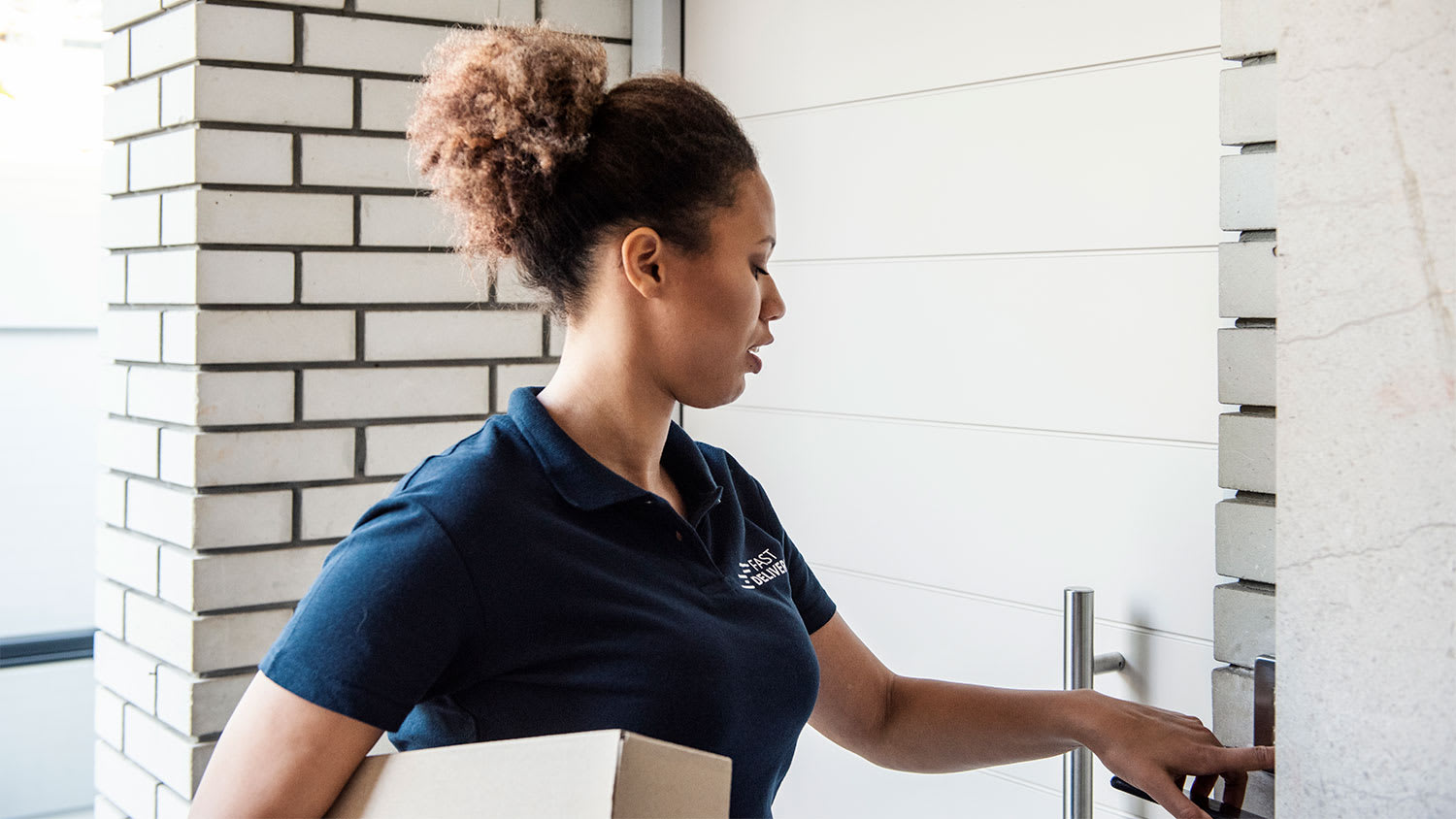
Ring a bell? From replacing a wired doorbell to setting up a smart home system, learn about typical doorbell installation costs, including materials and labor.
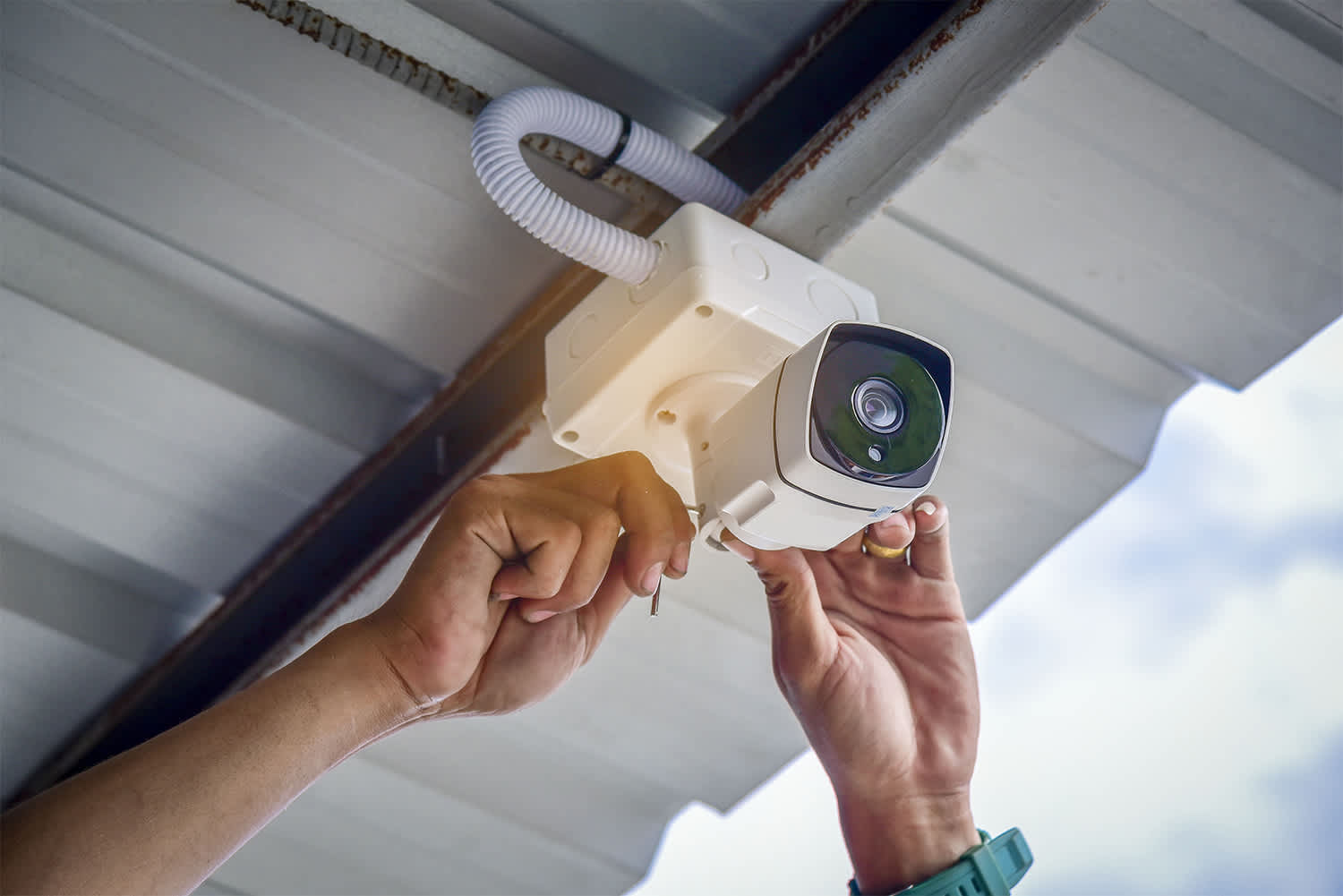
How much does it cost to install a doorbell camera? It depends on whether you plan to DIY or hire a pro. Learn about different models and their power sources, too.
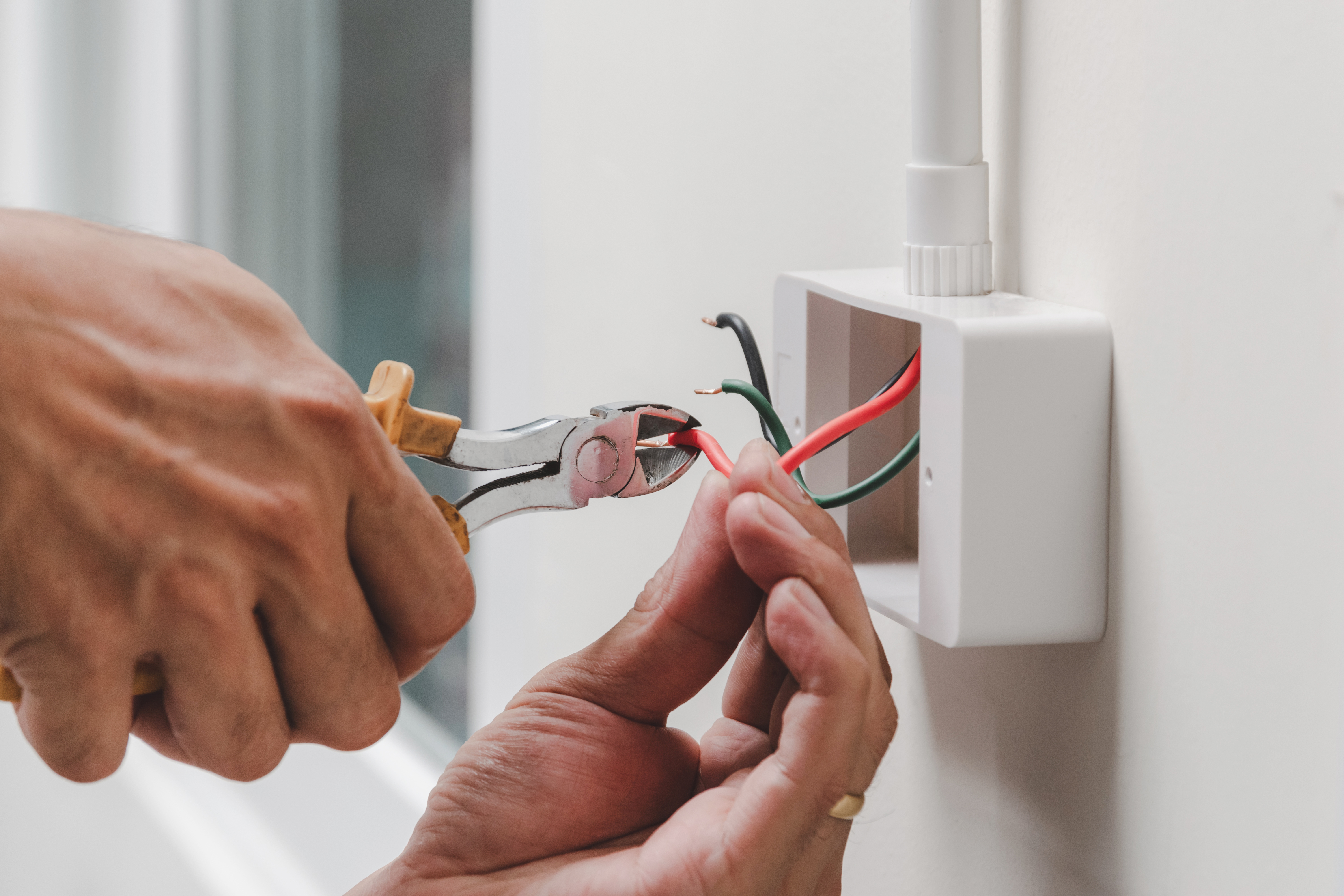
Doorbell wiring is a project you can DIY. This guide covers everything you need to know, from different types of doorbells to wiring, and how to remove an old doorbell.
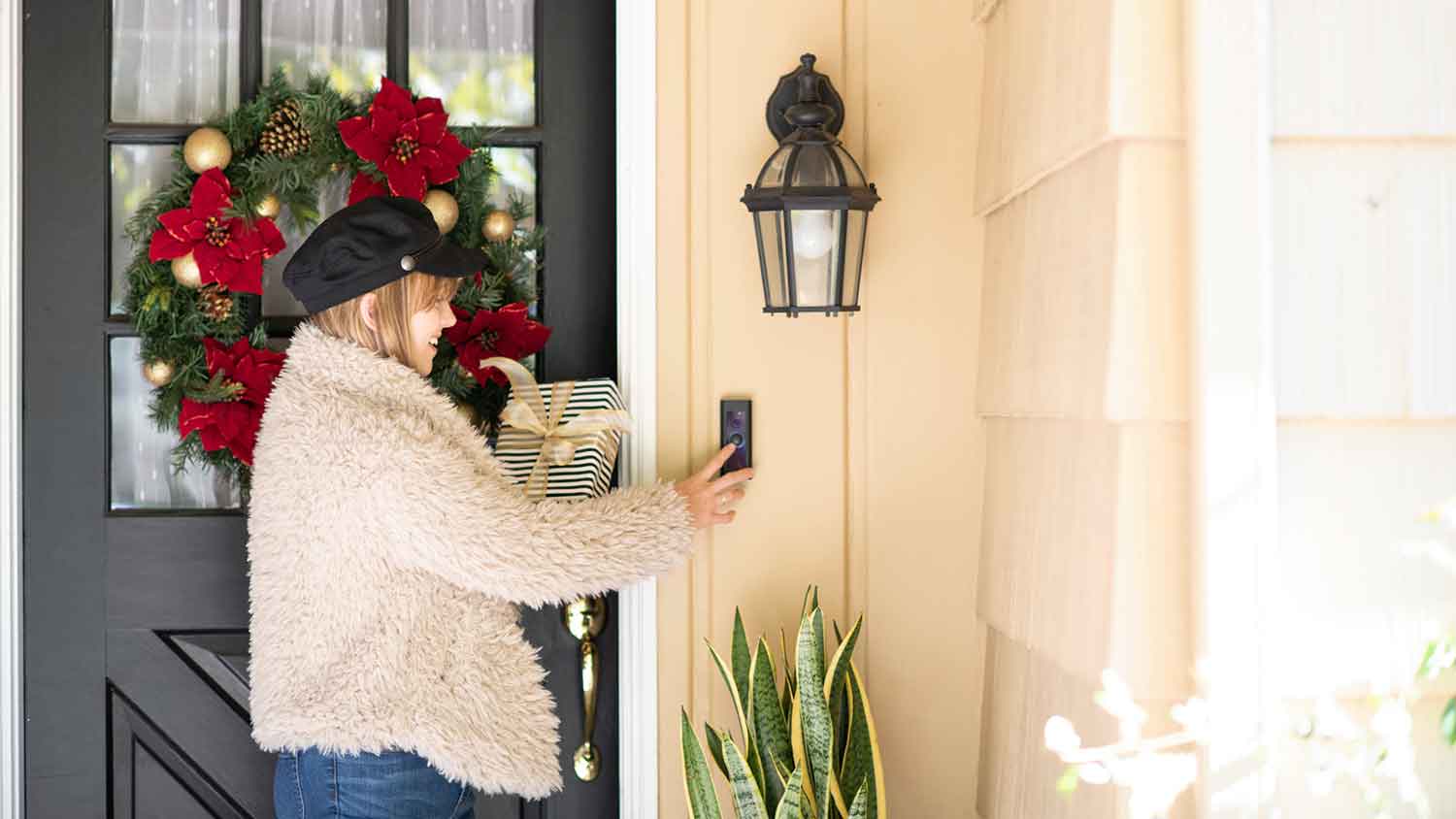
Ready to upgrade your front door and learn how to wire a doorbell? You may be able to handle this relatively simple DIY installation without an electrician.