Doorbell Installation questions, answered by experts
Mineral wool has an excellent life expectancy of up to 50 years, provided it's kept dry and free of pests. Compared to fiberglass, with a life span of 20 to 30 years, mineral wool stacks up well for long-term cost savings. Sheep wool maintains a similar life span to fiberglass, while estimates for hemp wool insulation life expectancies are all over the board, ranging anywhere from 20 to 100 years.
Radiant barriers and insulation serve different purposes, so one is not inherently better than the other. Radiant barriers reflect radiant heat, helping keep spaces cool, especially in hot climates, while insulation slows heat transfer through conduction. For optimal energy efficiency, it’s best to use both together.
Radiant barriers can enhance the performance of insulation by preventing heat gain in the summer and heat loss in the winter. The choice between them depends on specific climate conditions and the building’s design requirements.
The most affordable way to insulate behind unfinished walls is to install fiberglass batts or rolls. These total around $0.75 per linear foot, with the width matching the gaps between standard studs perfectly. However, it’s important to consider the R-value of your insulation and the climate in your area, as fiberglass insulation isn’t the best in terms of preventing heat transfer. Plus, the most affordable option may cost more on electricity bills over time. The most affordable way to insulate behind finished walls is to leave them up and use blown-in insulation to avoid drywall replacement.
According to a report from Energy.gov, radiant barrier installations can save between 5% and 10% on your energy bill each month that your HVAC cooling is in operation. That fact can mean savings of up to more than $325 per year for homes that experience frequent direct sunlight and high summer temperatures.
You do not always need to remove old insulation before adding new. If the existing insulation is in good condition—not wet, physically damaged, moldy, or infested with pests—you can add new insulation directly on top of it for a compounding effect. You can also mix different types, such as adding blown-in insulation around existing fiberglass batts.
However, removal is recommended if the old insulation is compromised by water damage or pests. You should also remove it if you plan to install a different type of insulation, like switching from roll or batt insulation to spray foam. If the existing insulation is very old or damaged, you will likely get more benefit from removing it and starting fresh.
The Frazer, MT homeowners’ guide to doorbell installation services
From average costs to expert advice, get all the answers you need to get your job done.
Ring a bell? From replacing a wired doorbell to setting up a smart home system, learn about typical doorbell installation costs, including materials and labor.
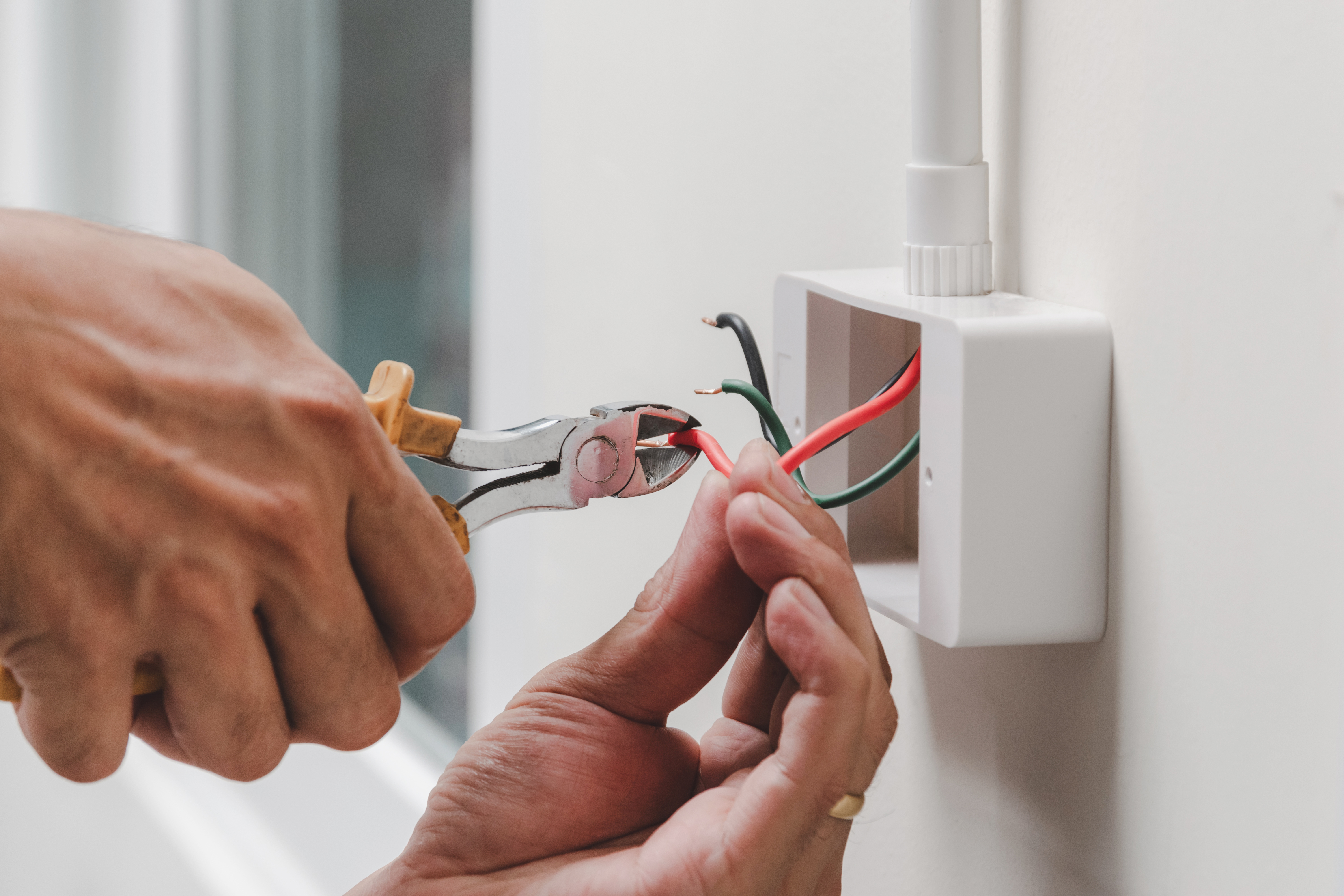
How much does it cost to install a doorbell camera? It depends on whether you plan to DIY or hire a pro. Learn about different models and their power sources, too.
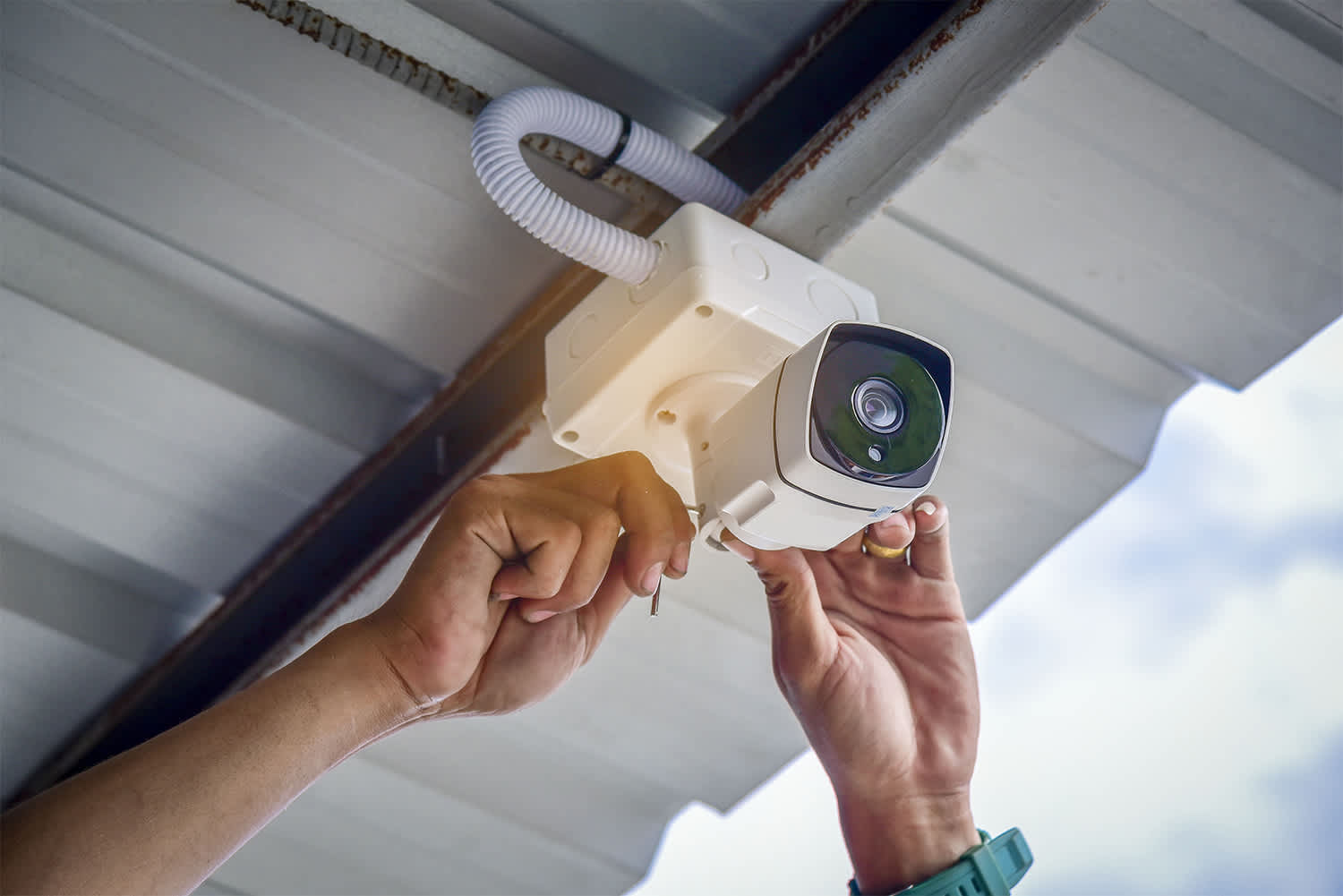
Doorbell wiring is a project you can DIY. This guide covers everything you need to know, from different types of doorbells to wiring, and how to remove an old doorbell.
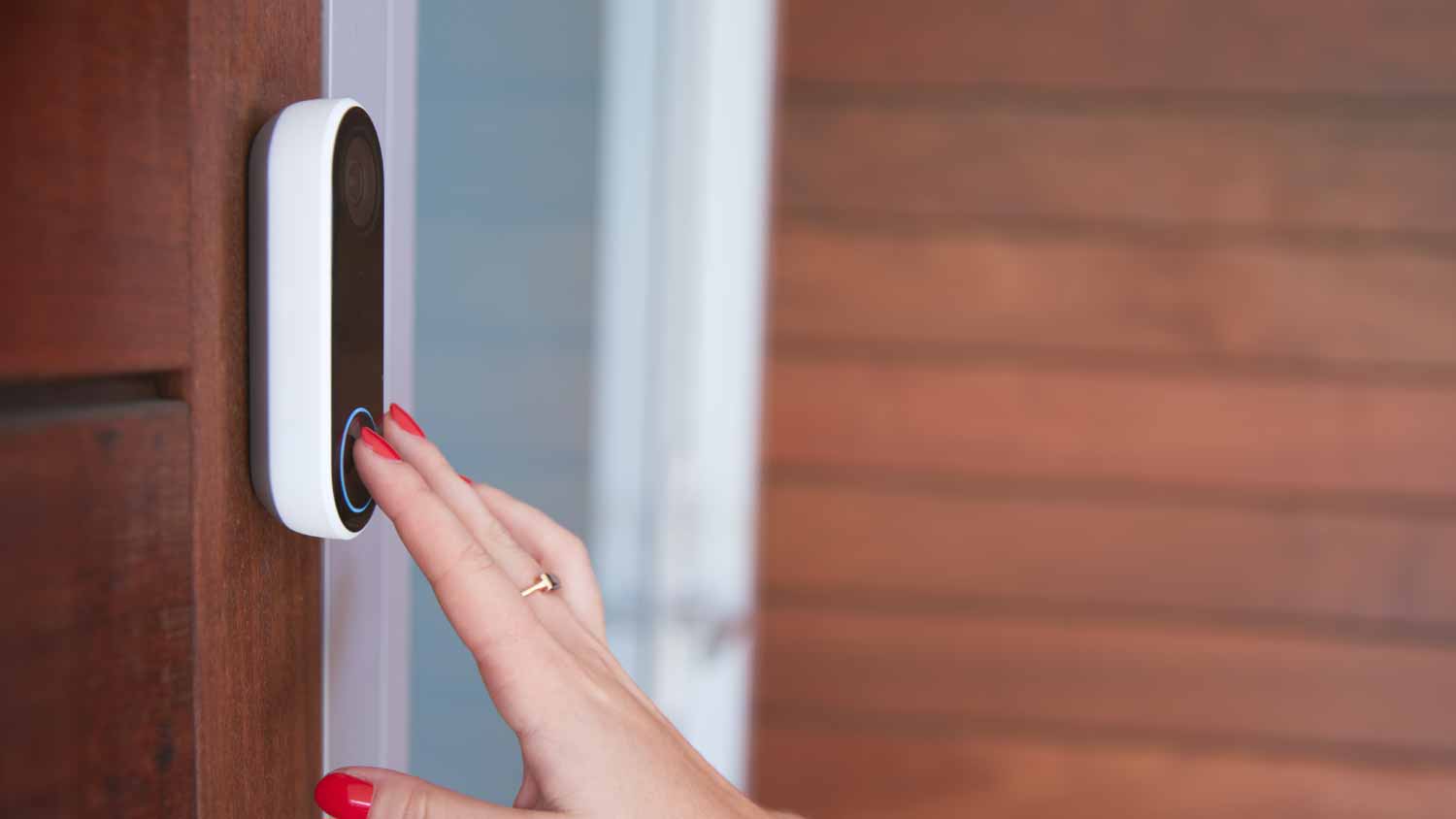
Ready to upgrade your front door and learn how to wire a doorbell? You may be able to handle this relatively simple DIY installation without an electrician.