Doorbell Installation questions, answered by experts
Yes, cold walls are a common indicator of poor or inadequate insulation, especially if the walls feel significantly colder than the air in the room. This suggests that heat from your furnace is escaping rather than being retained. The issue could be that the walls have no insulation, or that the existing insulation is old or has been damaged by water, moisture, or pests. Your best course of action is to hire a professional to investigate. An insulation contractor can determine if you need to add or replace insulation and can often perform the work without creating large holes in your drywall. If you suspect the problem might also be related to your heating system's performance, an HVAC technician can take a closer look.
In addition to adding insulation to your attic, you may want to add a radiant barrier. A radiant barrier works by using reflective material, such as foil, on the attic floor. As heat penetrates the roof and enters the attic, the radiant barrier reflects the heat upward and back through the roof. If you receive a lot of direct sunlight on the roof, using both a radiant barrier and insulation in your attic can provide significant benefits.
It’s best not to install a radiant barrier directly under insulation because it requires an air gap on at least one side to work properly. Instead, you should install the radiant barrier over your existing insulation to create an air space to reflect the radiant heat.
Yes, insulating ductwork in a crawl space is a worthwhile investment, especially if you live in a colder climate or run your air conditioning for most of the year. Uninsulated ducts can lose up to 30% of their heating and cooling efficiency, which can significantly impact your electricity bill. The project is a relatively small investment and typically only takes a few hours. It's a particularly simple add-on if you are already hiring someone to insulate the entire crawl space. An added benefit is that insulated ducts put off less hot or cold air, making them less attractive to pests.
The best type of insulation for your home depends on your specific needs, climate, and the area you are insulating. For new construction, structural insulated panels are a highly energy-efficient option that is easy to install during the building process. In very warm climates, reflective insulation can be a cost-effective choice. For cold climates, fiberglass is an excellent option due to its high R-value and resistance to settling over time. Spray foam works well in humid environments because of its moisture-resistant properties. For standard attics, loose-fill, spray foam, or blown-in insulation are all suitable options.
The Savage, MT homeowners’ guide to doorbell installation services
From average costs to expert advice, get all the answers you need to get your job done.
Ring a bell? From replacing a wired doorbell to setting up a smart home system, learn about typical doorbell installation costs, including materials and labor.
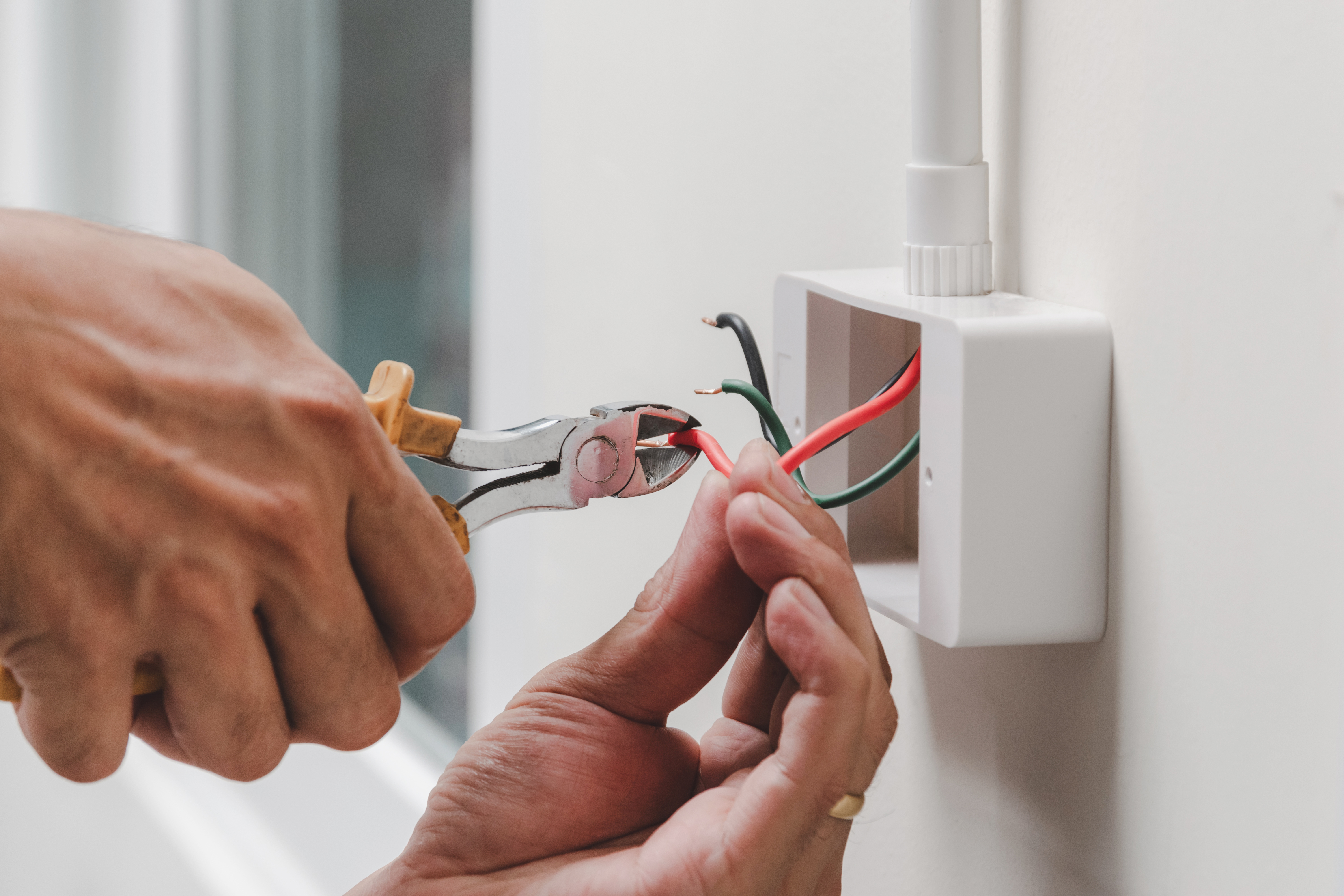
How much does it cost to install a doorbell camera? It depends on whether you plan to DIY or hire a pro. Learn about different models and their power sources, too.
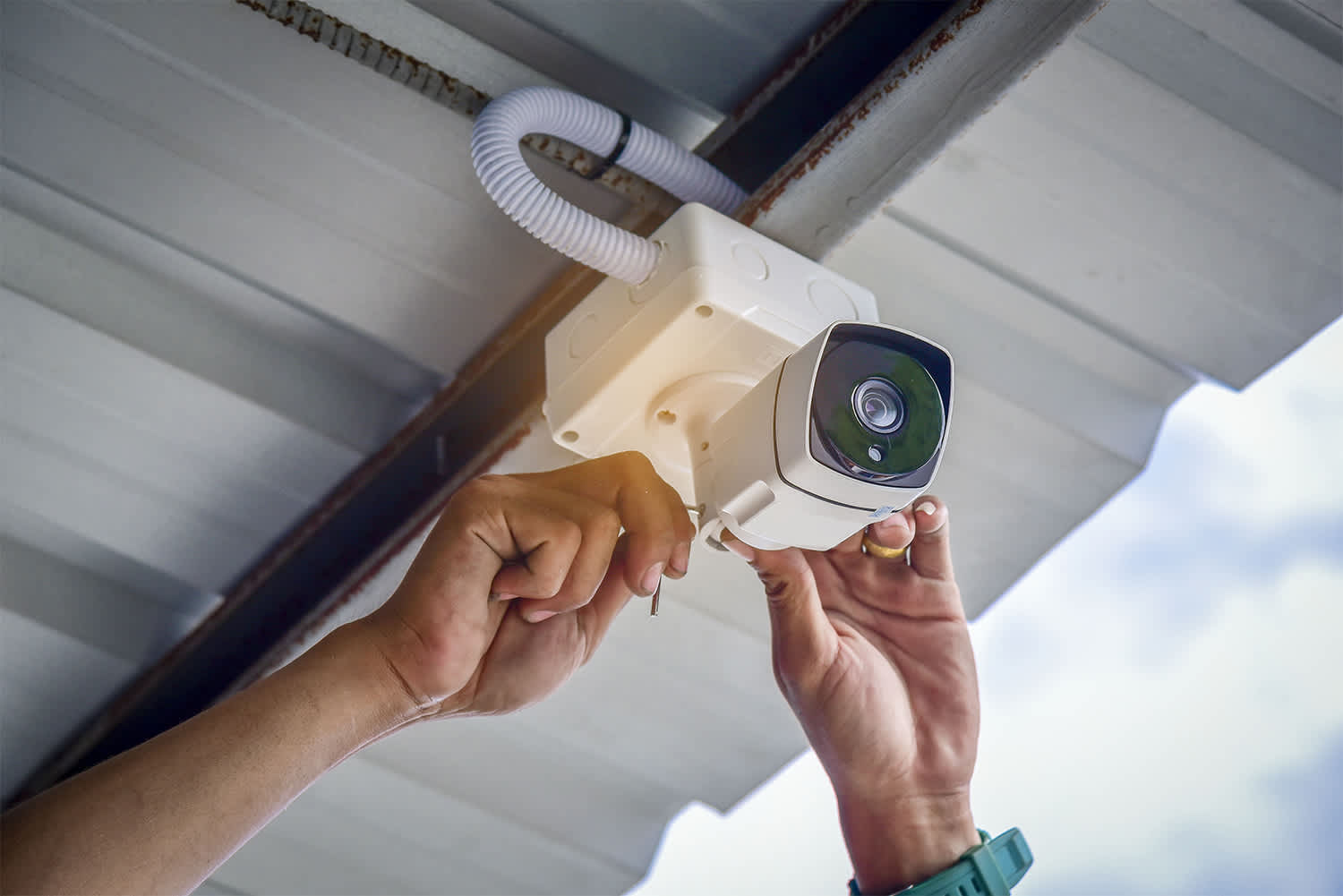
Doorbell wiring is a project you can DIY. This guide covers everything you need to know, from different types of doorbells to wiring, and how to remove an old doorbell.
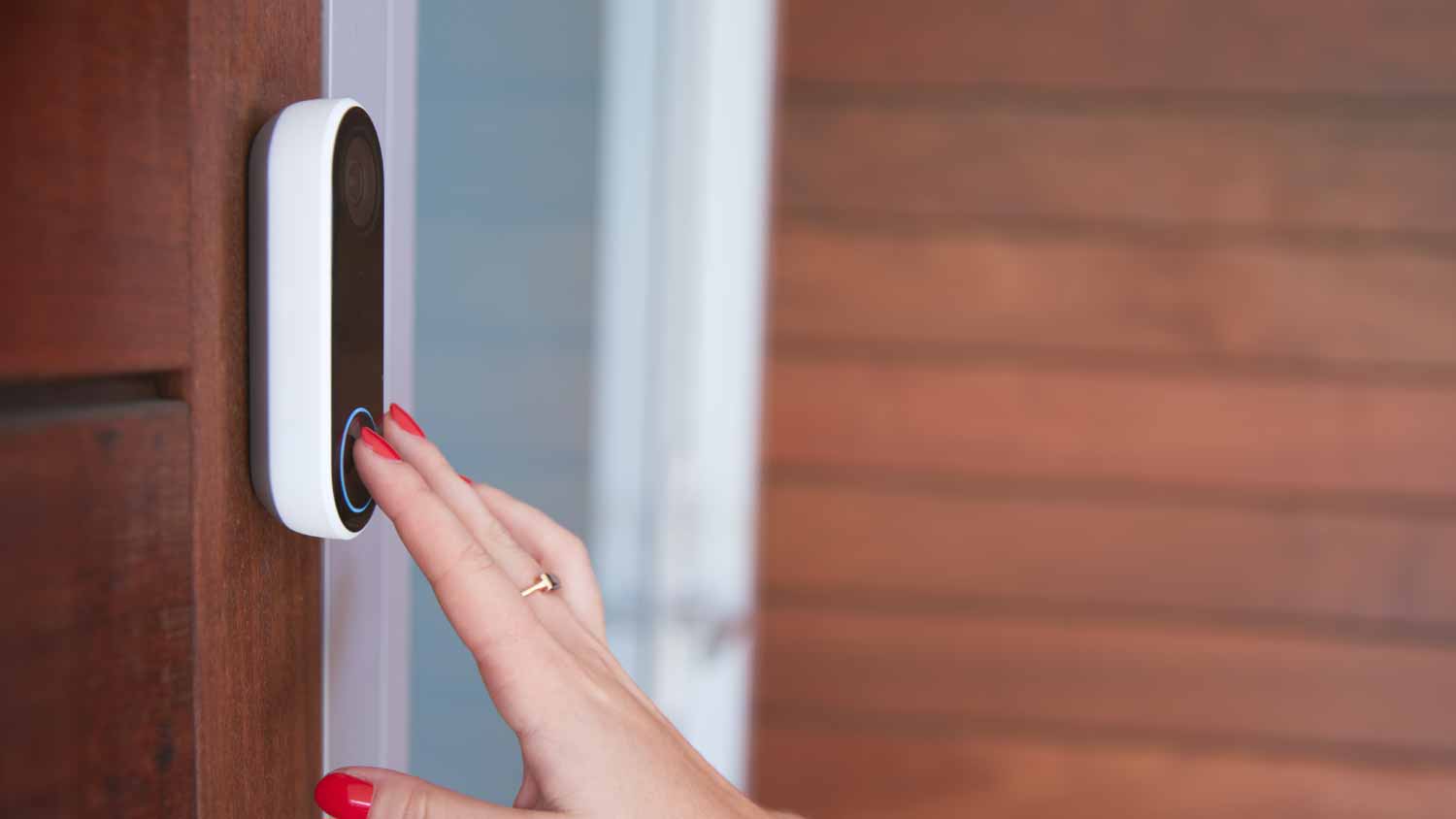
Ready to upgrade your front door and learn how to wire a doorbell? You may be able to handle this relatively simple DIY installation without an electrician.