Professional Painting & Stain Services — 8+ Years of Experience\n\nWith over 8 years of hands-on experience, I provide dependable, quality painting and stain services for both residential and commercial properties. I specialize in interior and exterior painting, stain work, paint removal, and stain removal, with attention to detail and a commitment to leaving every job looking its best.\n\nWhether you need a small touch-up, a single room refreshed, or a complete interior or exterior project, jobs of all sizes are welcome. I take pride in quality workmanship, professionalism, and treating every project with the care it deserves.\n\nSmall jobs and big jobs — all jobs are welcome.\nFeel free to shoot me a text or give me a call\n(406)980-1424
Ernz Painting is dedicated to providing our customers with the best quality and craftsmanship. We are here to build relationships with our customers and communities. No job is too big or too small! We look forward to working with you!
If you dream it, we can build it. What's the biggest difference between us and them? We build to last! We offer a full line of Green and Energy Star Certified products, backed by our labor and manufacturer's lifetime transferable warranties. Credit Cards Welcome Financing Available OAC.
The number of coats you need to apply when whitewashing a surface depends on how opaque you want the final product to be. If you're going for a transparent, barely there look, a single coat or two may suffice. For fuller coverage, you'll want to use multiple coats. Another option is to use a less diluted paint to get a thicker coverage.
Limewash and whitewash do not harm surfaces if you apply them correctly. Use on non-suitable surfaces can cause issues. For instance, applying limewash or whitewash to surfaces with existing sealants or incompatible materials may lead to poor adhesion or flaking. Also, harsh cleaning agents on limewashed or whitewashed surfaces can damage the finish. Proper preparation, application, and maintenance ensure that limewash and whitewash do not harm surfaces.
Opt for an interior wood stain that is rated for your type of wood. Consider your personal style preferences as well as the overall use of the room when choosing a color. Remember, the color you see at the store may look different on your actual floors once applied. This is why if you have the chance, it’s helpful to test a few options on a scrap piece of wood in the room first. Once you narrow it down, you can test a small patch on an inconspicuous area in the room to see it on the actual floors.
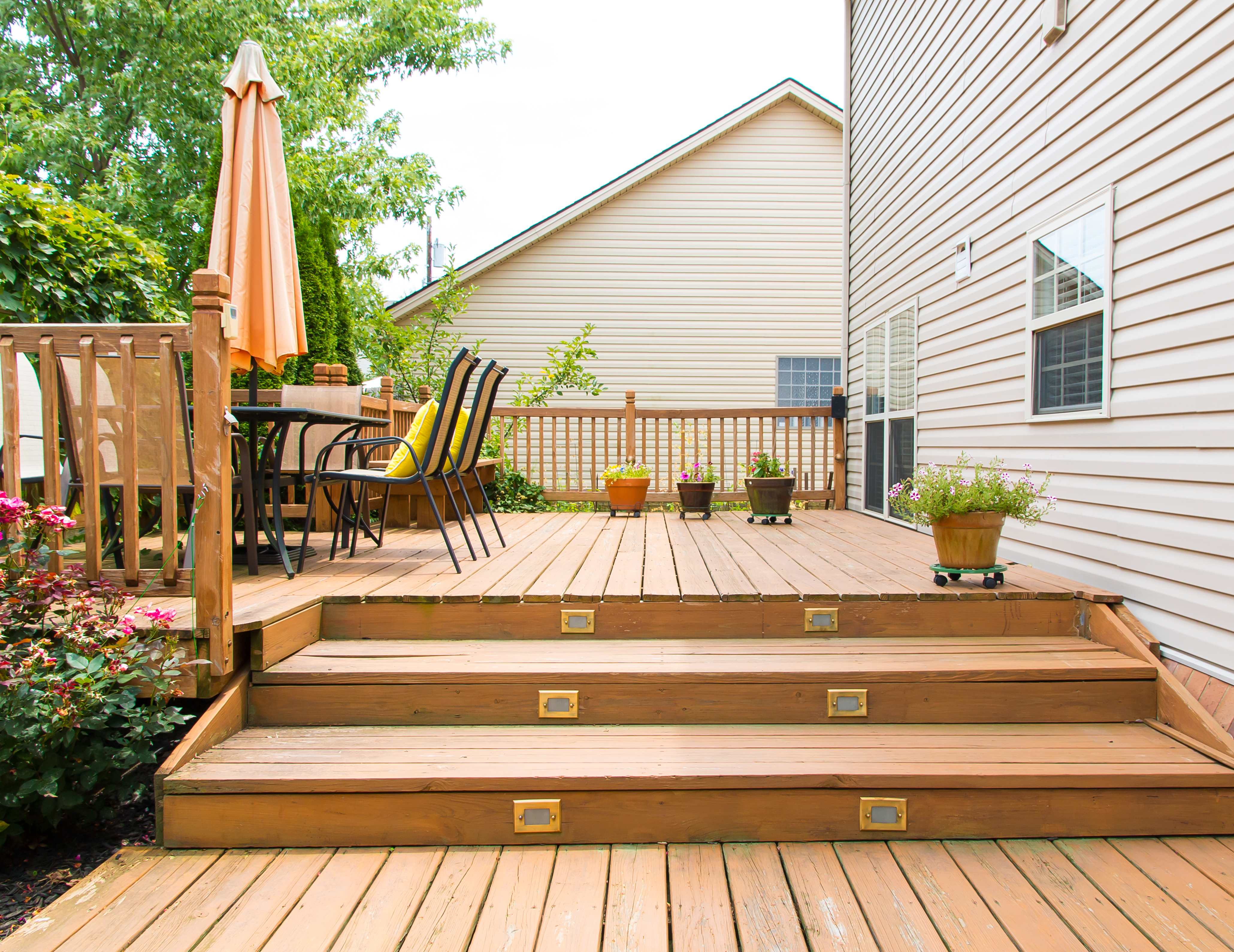
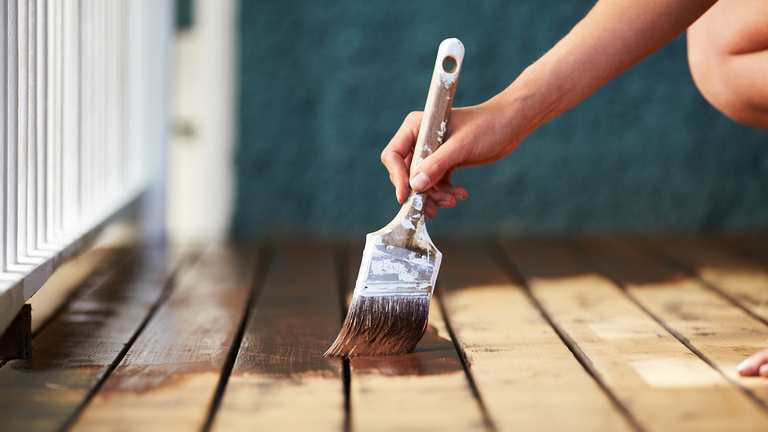
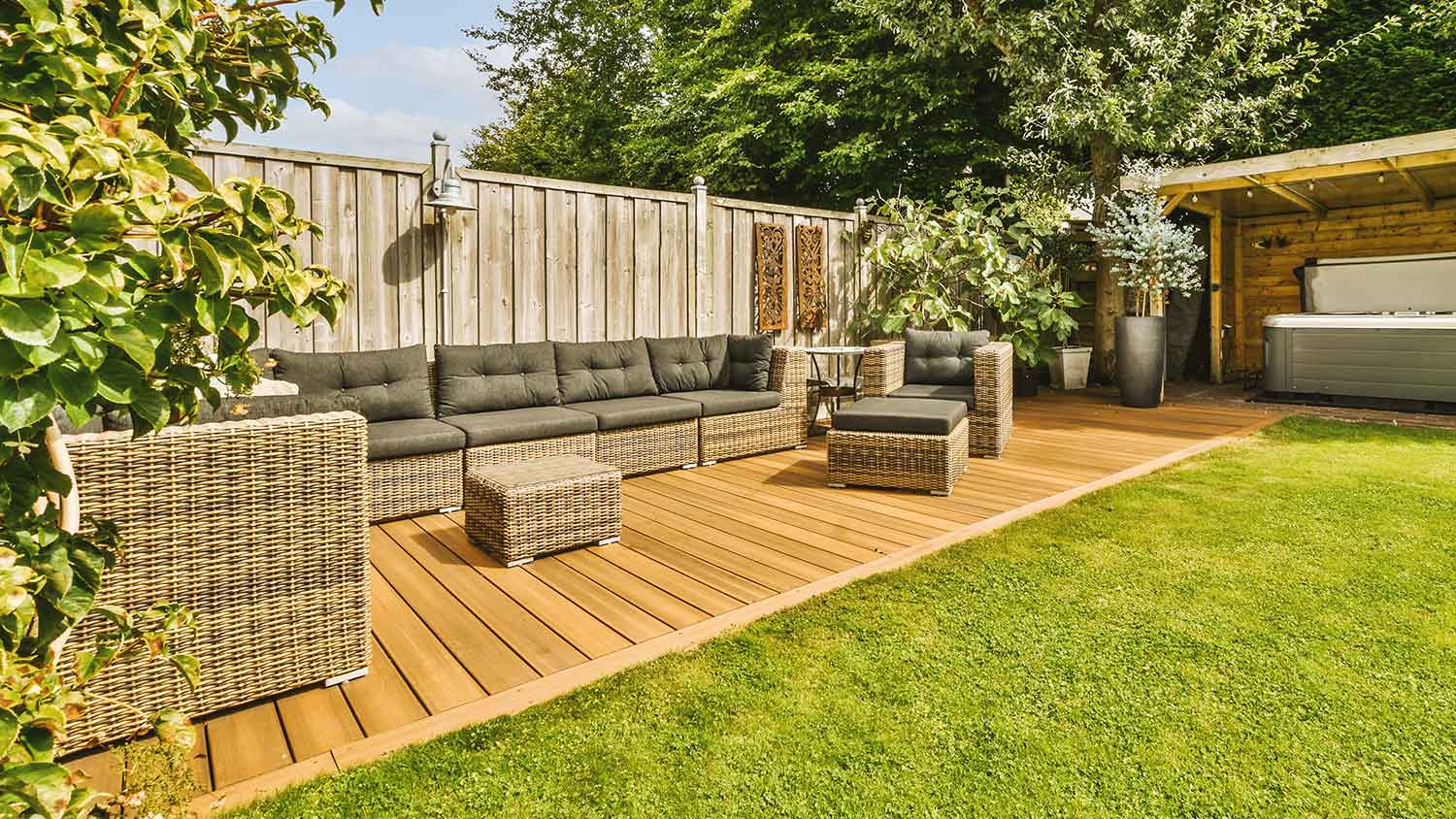
Staining a deck with a rag is typically a better option than using a brush, as it helps the stain penetrate deeper into the wood. However, both brushes and rags are best reserved for detailed work because using these tools on an entire deck can require tediously crawling around on your hands and knees. A pad applicator, sprayer, or roller are preferred alternatives to applying stain over the majority of a deck. Use a rag for railings and other detailed work, and let the wood soak up as much of the stain as possible before wiping away drips or pools.
Applying a sealer or topcoat after staining wood is highly recommended, though not always strictly required. A sealer protects the wood from moisture, UV rays, and weather-related issues, which is especially important for outdoor surfaces like decks and fences. It also enhances the stain's durability, prevents fading over time, and gives the wood a cleaner, more professional-looking finish. For some indoor applications, a sealer may not be necessary, depending on the type of stain used and the level of protection needed. It's always best to check the stain manufacturer's recommendations and consider the wood's intended use and exposure when deciding whether to apply a sealer.
The Stanford, MT homeowners’ guide to deck staining services
From average costs to expert advice, get all the answers you need to get your job done.
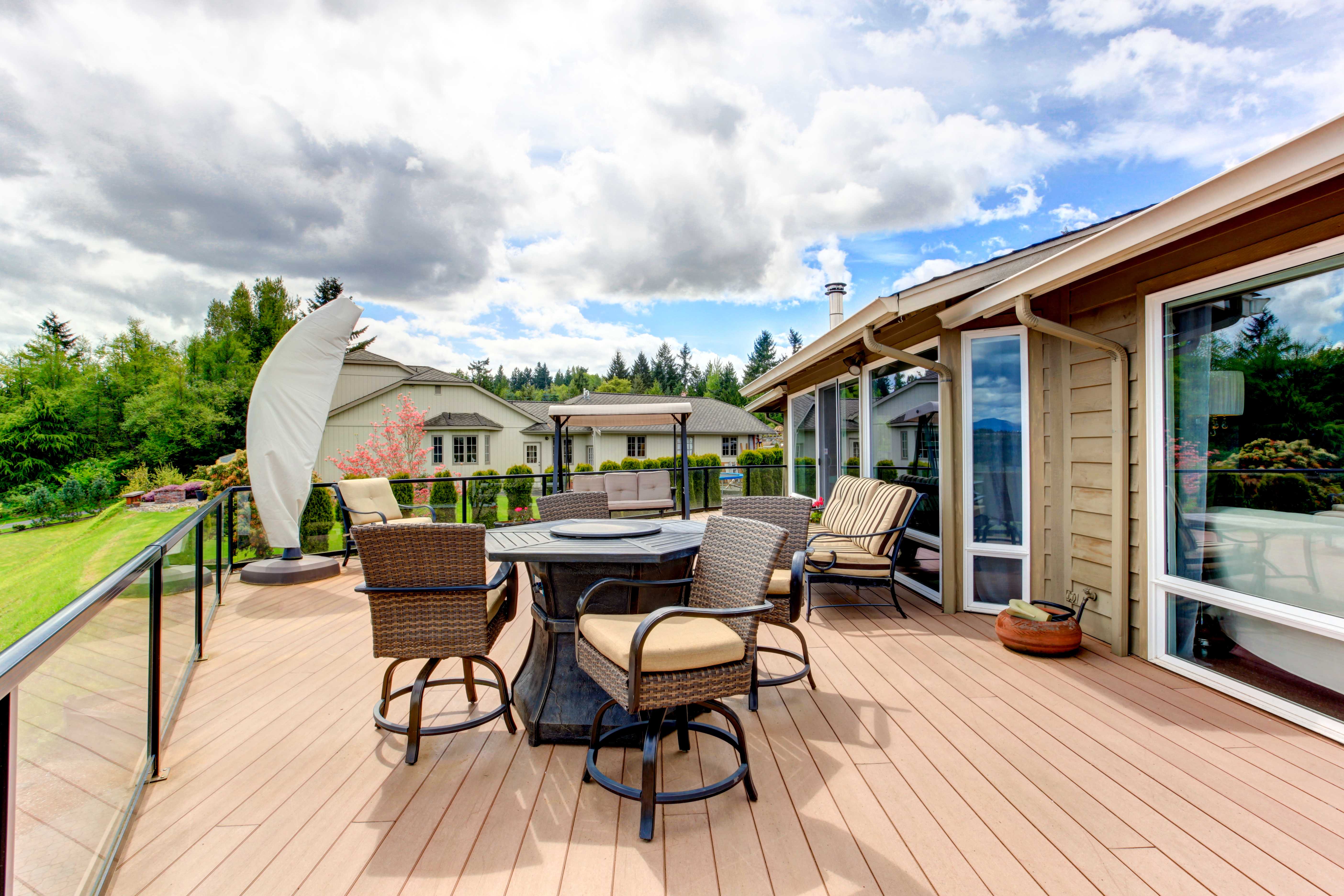
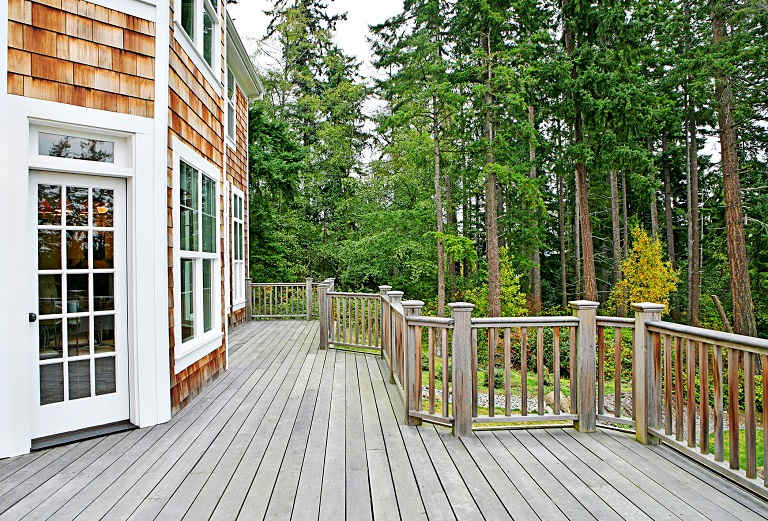
The best time to stain a deck is when it’s dry but not too sunny. How often you restain a deck depends on climate and wood type, but every two to three years is normal.