"They were excellent, I would highly recommend. Everyone was very professional and showed up right when they said they would. They were gentle and everything arrived intact. They had us on the road in no time."
"I only use James when I need some work done to my house. He responds fast, gets the work done quicker than just about anyone else I've ever used and seems very concerned with leaving his customers happy."
Ernz Painting is dedicated to providing our customers with the best quality and craftsmanship. We are here to build relationships with our customers and communities. No job is too big or too small! We look forward to working with you!
If you dream it, we can build it. What's the biggest difference between us and them? We build to last! We offer a full line of Green and Energy Star Certified products, backed by our labor and manufacturer's lifetime transferable warranties. Credit Cards Welcome Financing Available OAC.
My name is Luke Russell, I have been painting for over 6 years now. I am 24 years old and very motivated and hard working. Looking for some extra honest work !
ABC Pro Painting Plus is a locally owned and operated professional painting business that has been serving the Billings area for over 2 years. Our professional painters strive to provide the best quality and service to each customer. ABC Pro Painting Plus not only specializes residential and commercial painting, but also drywall and fencing installations. Our knowledge and experience ensures that your project will exceed your expectations. Call us today for a free estimate.
Adding a second coat of stain to wood can even out the color to some extent, but it won't drastically alter the hue if the initial application is too light or too dark. It's more effective at enhancing the richness of the color rather than significantly changing it. Ensure the first coat is dry before applying the second.
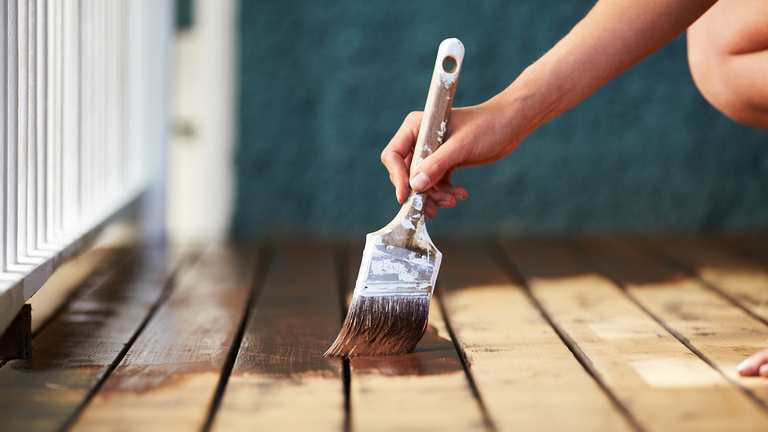
It’s important to make sure the wood on a new deck is properly seasoned. Seasoning a deck is simple: Once you build it (or have a pro do so), just leave it alone so it can acclimate to the environment. If you don’t give the deck proper seasoning time before staining, the stain can lock in any lingering moisture and cause mold, rot, and other moisture issues down the road. Give the wood at least four to eight weeks to season before you stain.
You have a couple of options when choosing a durable pool deck coating. Epoxy is common and offers excellent stain and water resistance. Epoxy also withstands high temperatures and UV lighting, making it ideal for sunny spots. You can also add a coating to cement, which significantly lowers the temperature of the concrete, is environmentally safe, and makes cleanup a breeze.
You can paint over old paint on a concrete porch. For the best results, you should first clean the surface and remove as much paint as you can. A power washer is helpful here, but you’ll also want to scrape as much of the old paint away as possible. Then you should prime the porch before repainting it.
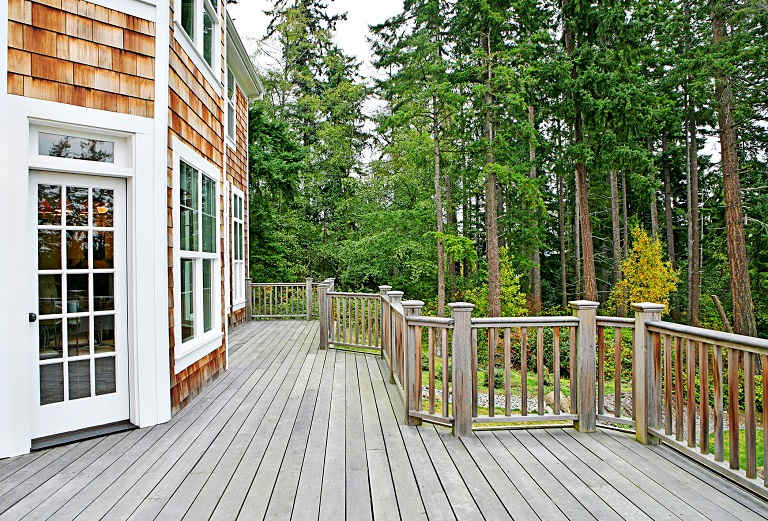
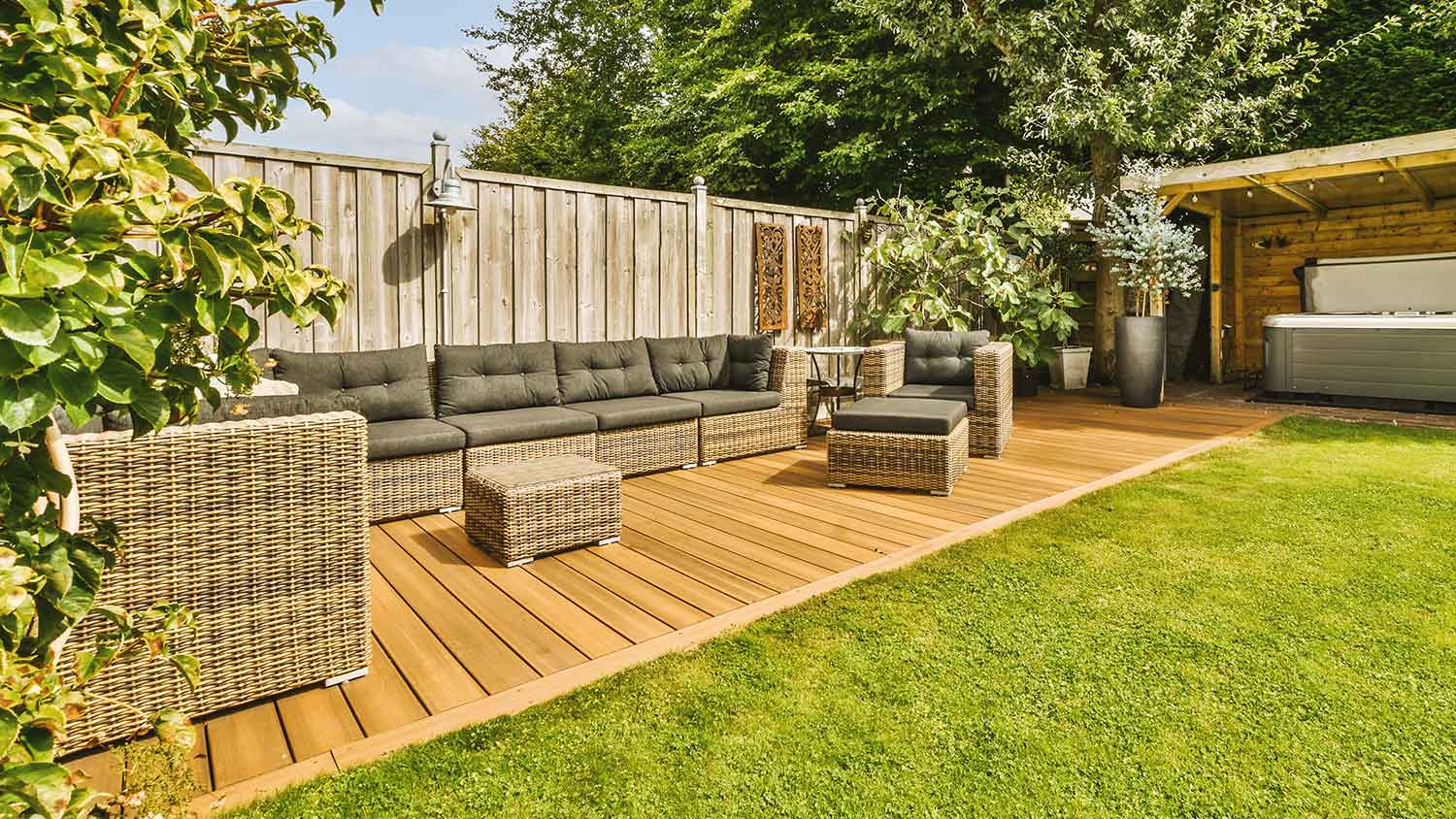
Yes, staining or sealing a cedar deck or fence is highly recommended to extend its lifespan, typically by five to 10 years. While cedar is naturally resistant to mold and mildew, it can still fall victim to moisture, sun exposure, and rot over time. Applying a treatment creates a protective shield that helps prevent splintering, fading, and decay, preserving the wood's strength and appearance. A combination stain and sealer often provides the best protection, as it soaks into the wood grain rather than just sitting on top. This offers superior defense against UV damage and rot and lasts longer than a sealer alone. To maintain the wood's natural look, consider using a near-translucent stain. You should plan to reapply the stain or sealer every two to three years.
The Cat Creek, MT homeowners’ guide to deck staining services
From average costs to expert advice, get all the answers you need to get your job done.
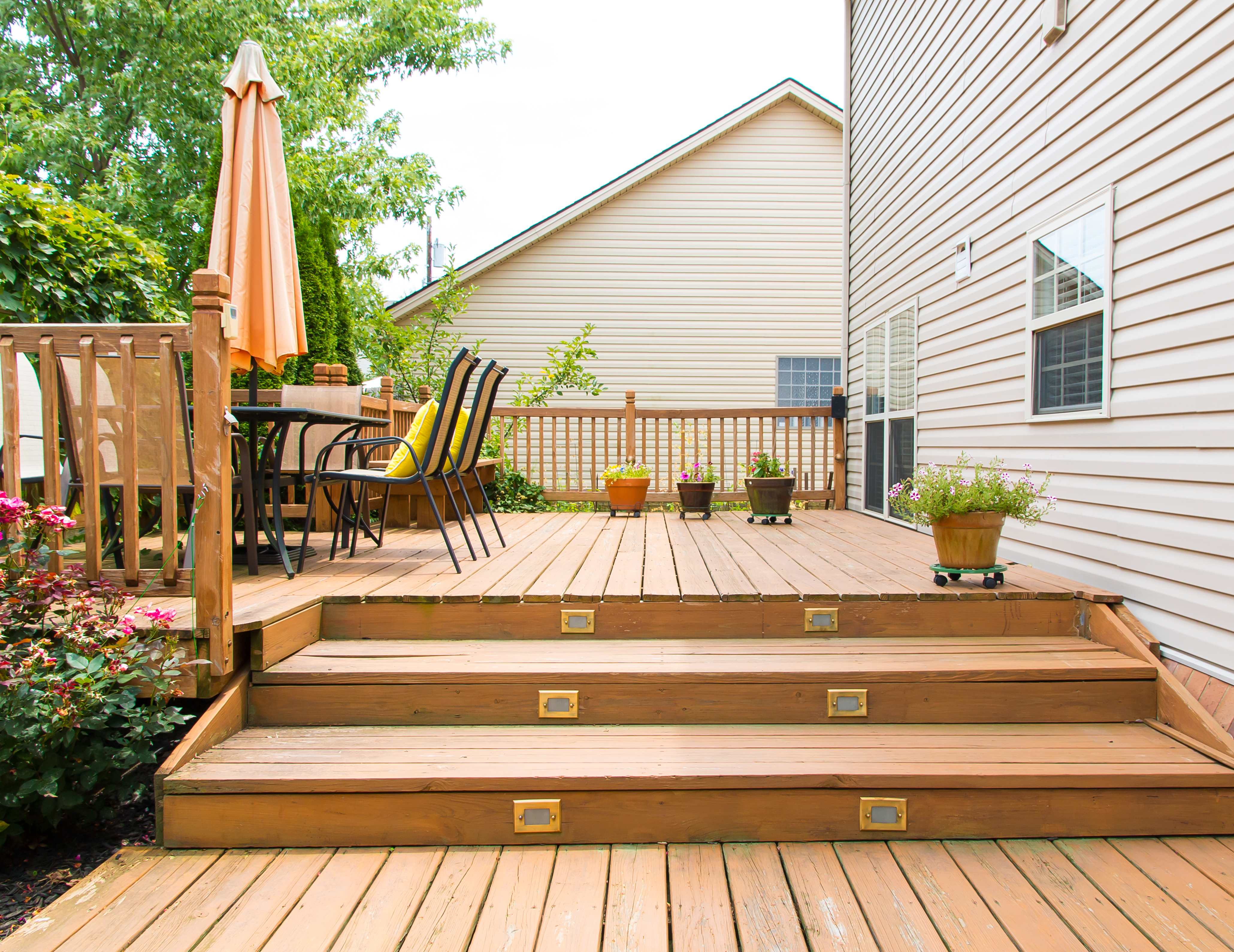
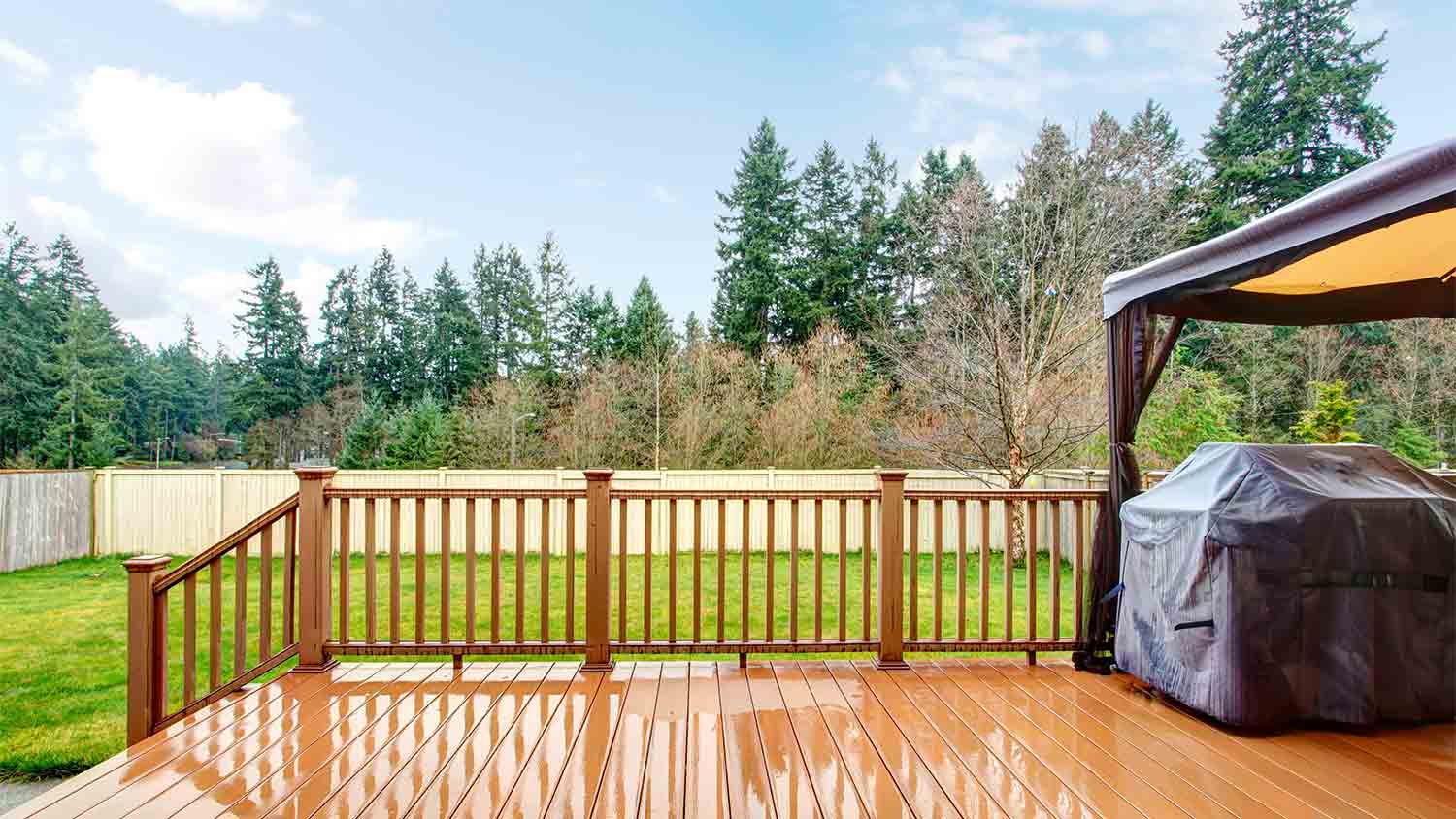
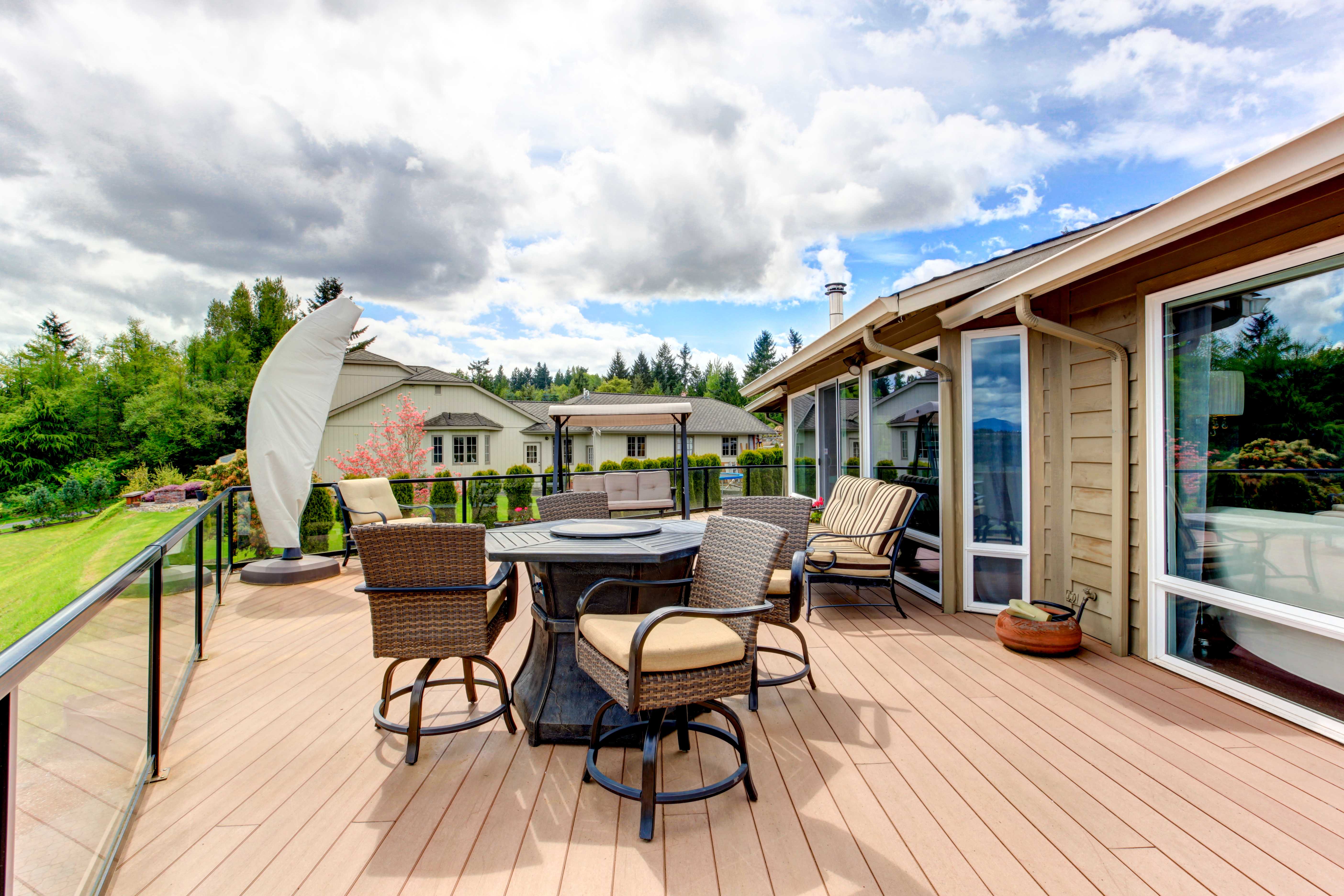
The best time to stain a deck is when it’s dry but not too sunny. How often you restain a deck depends on climate and wood type, but every two to three years is normal.