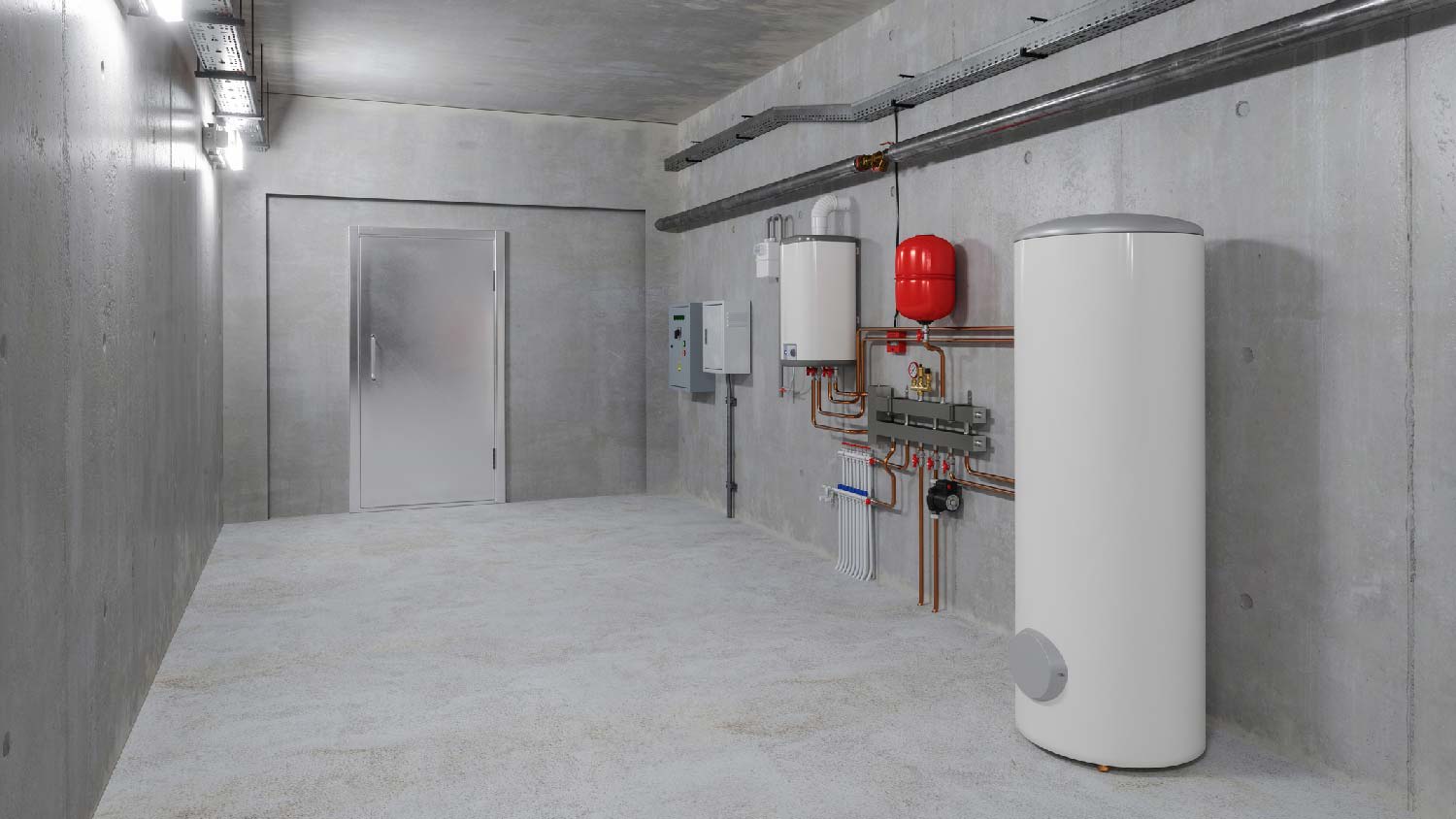
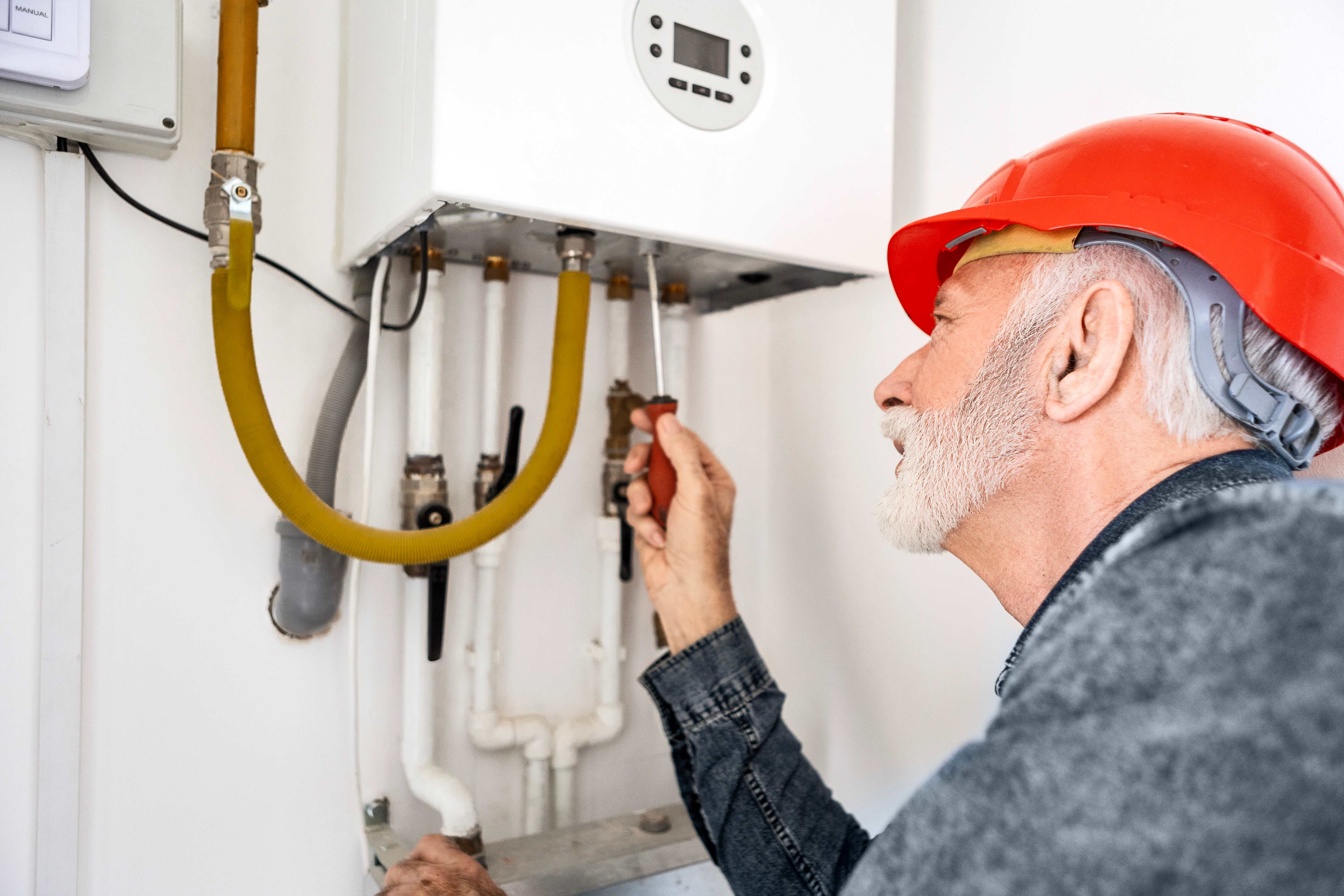
"He was able to quickly diagnose that the water leak from the water heater was a result of a ruptured tank, resulting in the need to replace the entire water heater."
"The yearly service works out to be $50 a month. We've had two water heaters replaced through them because of a fault in them. They're usually very responsive. I like that I can request the service online. The only thing is, I wish that there was a better avenue for emergency services. If something doesn't work right away usually it takes a couple of days to get someone out and sometimes you can't wait two days without water."
Planetary Systems has been designing and installing renewable energy systems since 1994, and has over 1600 operational systems from .5kw to 22kw, worldwide. We have always been and remain committed to tested and reliable, yet cutting edge technologies to advance local power generation capabilities. We firmly believe all electrical power should be locally generated and using as much energy as practically feasible from wind, solar, hydro-electric and other renewable sources.
\n Planetary Systems offers our own battery technology, integrated power solutions, and the best available products available in the world marketplace.
\n
\nOur offerings are based on value-added products, not bargain basement prices, and include complete testing, design and integration of systems plus expert technical assistance.
We believe setting the correct expectations. Being a 'nuts and bolts' company we don't maintain a store front. We would rather pass the financial savings on to you, giving our undivided attention.
\n
If you dream it, we can build it. What's the biggest difference between us and them? We build to last! We offer a full line of Green and Energy Star Certified products, backed by our labor and manufacturer's lifetime transferable warranties. Credit Cards Welcome Financing Available OAC.
When the water expands in a hot water heater, it puts pressure on your hot water pipes and can cause leaks or a rupture in the hot water tank under certain conditions. Pipes or water heaters may split due to the pressure where there is a backflow preventer that prevents the hot water heater from diffusing pressure by releasing water back to the public water line.
In these scenarios, a hot water heater expansion tank provides a place for the hot water heater to relieve pressure and prevent bursts and leaks.
Choosing between an electric water heater vs. a gas water heater comes down to personal preference. Overall, electric heaters are more energy efficient than their gas competitors. They’re also quieter to operate, take up less room, and don’t come with a risk of gas leaks.
The downside is that electric water heaters cost more to operate than gas. They might also struggle to heat water fast enough for households that use large amounts of hot water. Lastly, a power outage could cause your electric water heater to stop working, whereas gas water heaters may still function.
The chemicals in a water softener can wear down the anode rod in the heater and shorten its life span. However, for most people, the benefits of the softener outweigh this potential drawback.
Have a plumber inspect the anode rod annually for damage, as replacing the anode rod is far less expensive than replacing the entire water heater.
Several signs indicate your water heater may be failing or in need of replacement. Key indicators include:
Age: A water heater older than ten years is approaching the end of its typical lifespan.
Water Quality: If you notice rusty or discolored water from your hot water faucets, or a foul odor similar to rotten eggs or sulfur, it can signal internal corrosion.
Unusual Noises: Banging, rumbling, or popping sounds from the tank often mean sediment has built up, causing the unit to overheat.
Leaks: Any water pooling around the base of the tank or visible leaks are clear signs of failure.
Performance Issues: A decline in performance, such as water not getting hot enough, taking longer to heat up, low water pressure, or decreased efficiency, suggests the unit is struggling.
Visible Damage: Obvious rust and corrosion on the exterior of the tank can indicate a more serious internal problem.
While these signs often point to replacement, some issues may be fixable. It's best to consult a professional plumber to diagnose the problem before investing in a new unit.
Excessive pressure (above 80 psi) puts too much stress on plumbing pipes, joints, and fixtures. This can lead to leaks and burst pipes. Plus, it shortens the lifespan of appliances, can waste water, and can raise your utility bills. High water pressure might feel like a gift, but it’s actually a silent threat to plumbing.
The Baker, MT homeowners’ guide to water heater services
From average costs to expert advice, get all the answers you need to get your job done.
Looking to replace or upgrade your water heater? Use this water heater replacement cost guide to see what the work will cost and what factors affect your total.
Wondering how much a water heater expansion tank costs? Use this cost guide to get an accurate estimate and learn how to choose the right one for your home.
Who can install a water heater for you? Look to hire a water heater installation pro or a licensed plumber for this job because of the challenges involved.
The average lifespan of water heaters is 6 to 15 years for conventional models and up to 20 for tankless ones, but it can be less if they are not properly maintained.