Doorbell Installation questions, answered by experts
A moisture or vapor barrier helps separate the warm air inside your home from the cold air outside of it. Without it, your walls could collect condensation, mold, or other damage. Check your local building codes to see if including an interior vapor barrier is necessary for your building project or renovation, especially for rooms that are likely to be humid, like bathrooms.
The primary reason that insulation saves you money over time is that it reduces your energy bills by making your home more energy efficient. A crucial part of an insulation system is a properly installed vapor barrier. Local building codes dictate whether your insulation requires a vapor barrier based on the type installed. While some high-quality wool insulation may not technically need a vapor barrier, most municipalities still require one to meet code.
Radiant barriers and insulation serve different purposes, so one is not inherently better than the other. Radiant barriers reflect radiant heat, helping keep spaces cool, especially in hot climates, while insulation slows heat transfer through conduction. For optimal energy efficiency, it’s best to use both together.
Radiant barriers can enhance the performance of insulation by preventing heat gain in the summer and heat loss in the winter. The choice between them depends on specific climate conditions and the building’s design requirements.
Yes, you can install insulation behind drywall yourself, but only if your walls are not finished. If your studs are exposed, installing fiberglass insulation in roll or batt form is very straightforward and just requires a few tools and some safety equipment. If your walls are already finished and you’re looking to add insulation, it’s better to hire a professional, as you’ll likely need blown-in insulation, which can be dangerous to work with and a challenge to get into the proper areas in your wall voids.
Monolithic slabs don’t require insulation, but many homeowners choose to have their contractors install insulation under the slab during construction. This can help improve home efficiency even more and keep indoor temperatures more stable. Slab foundations are more energy-efficient than uninsulated crawl spaces and basements, and insulated slab foundations are more energy-efficient than insulated crawl spaces and basements.
The Culbertson, MT homeowners’ guide to doorbell installation services
From average costs to expert advice, get all the answers you need to get your job done.
Ring a bell? From replacing a wired doorbell to setting up a smart home system, learn about typical doorbell installation costs, including materials and labor.

How much does it cost to install a doorbell camera? It depends on whether you plan to DIY or hire a pro. Learn about different models and their power sources, too.
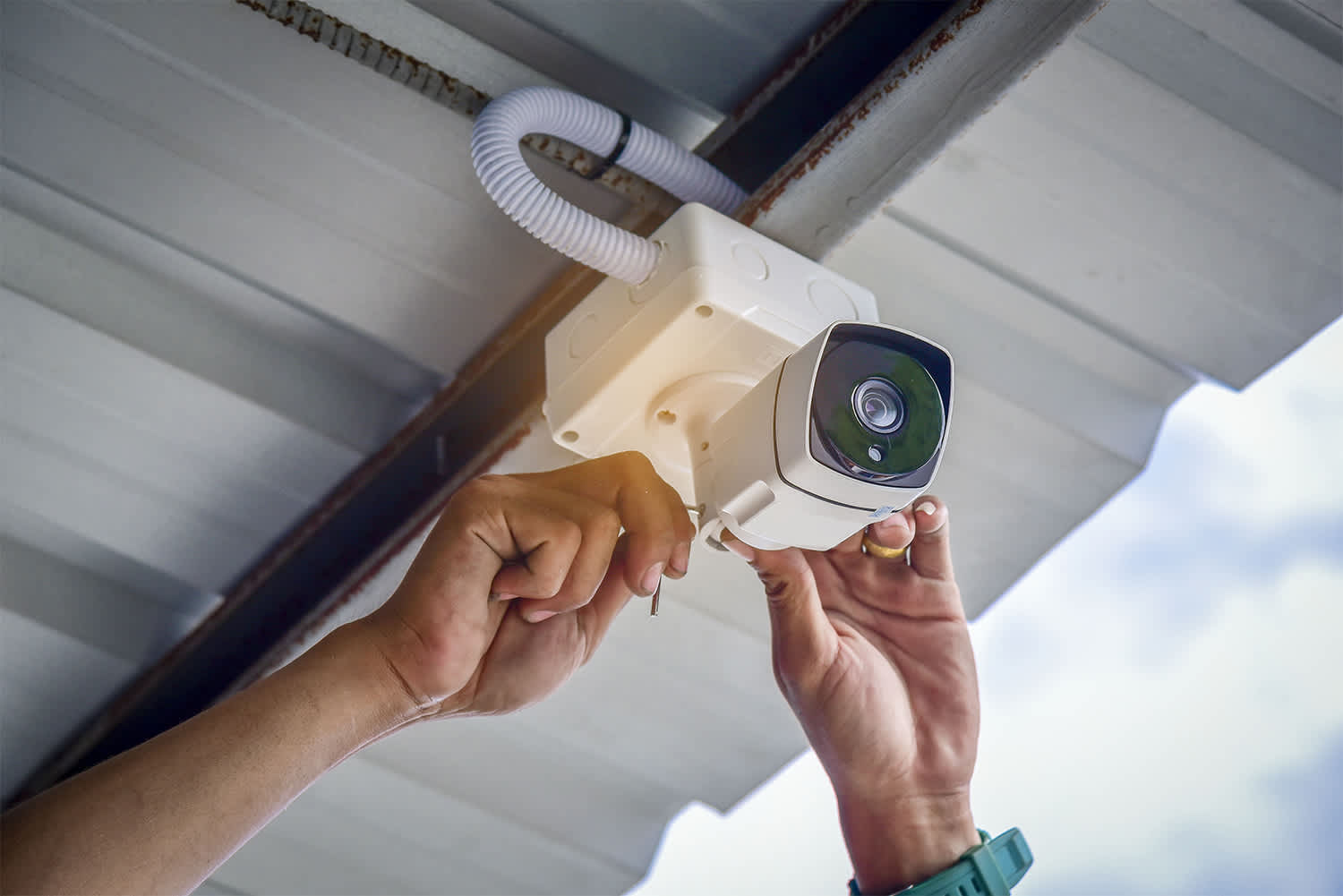
Doorbell wiring is a project you can DIY. This guide covers everything you need to know, from different types of doorbells to wiring, and how to remove an old doorbell.
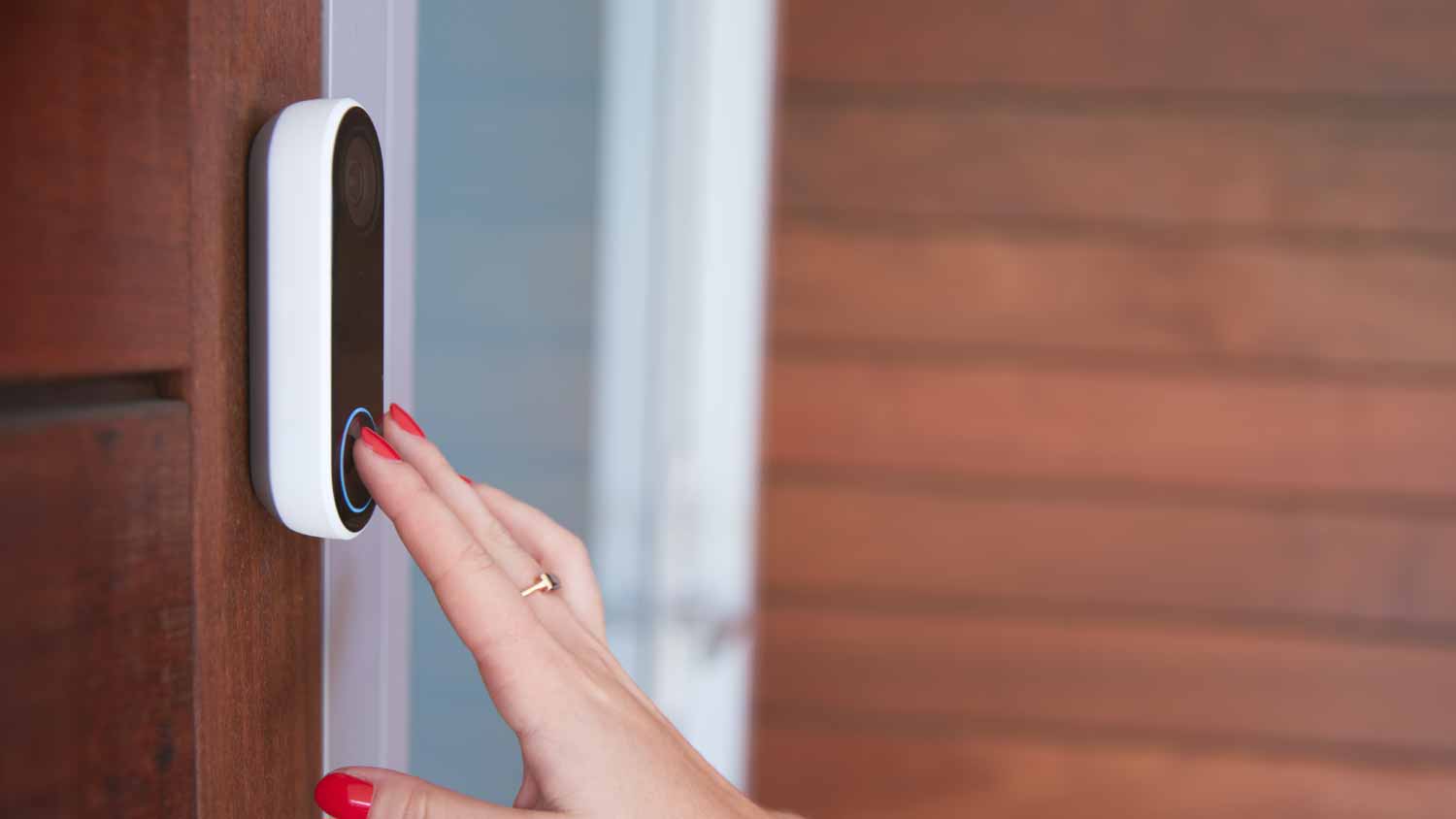
Ready to upgrade your front door and learn how to wire a doorbell? You may be able to handle this relatively simple DIY installation without an electrician.